The tradition & historical record
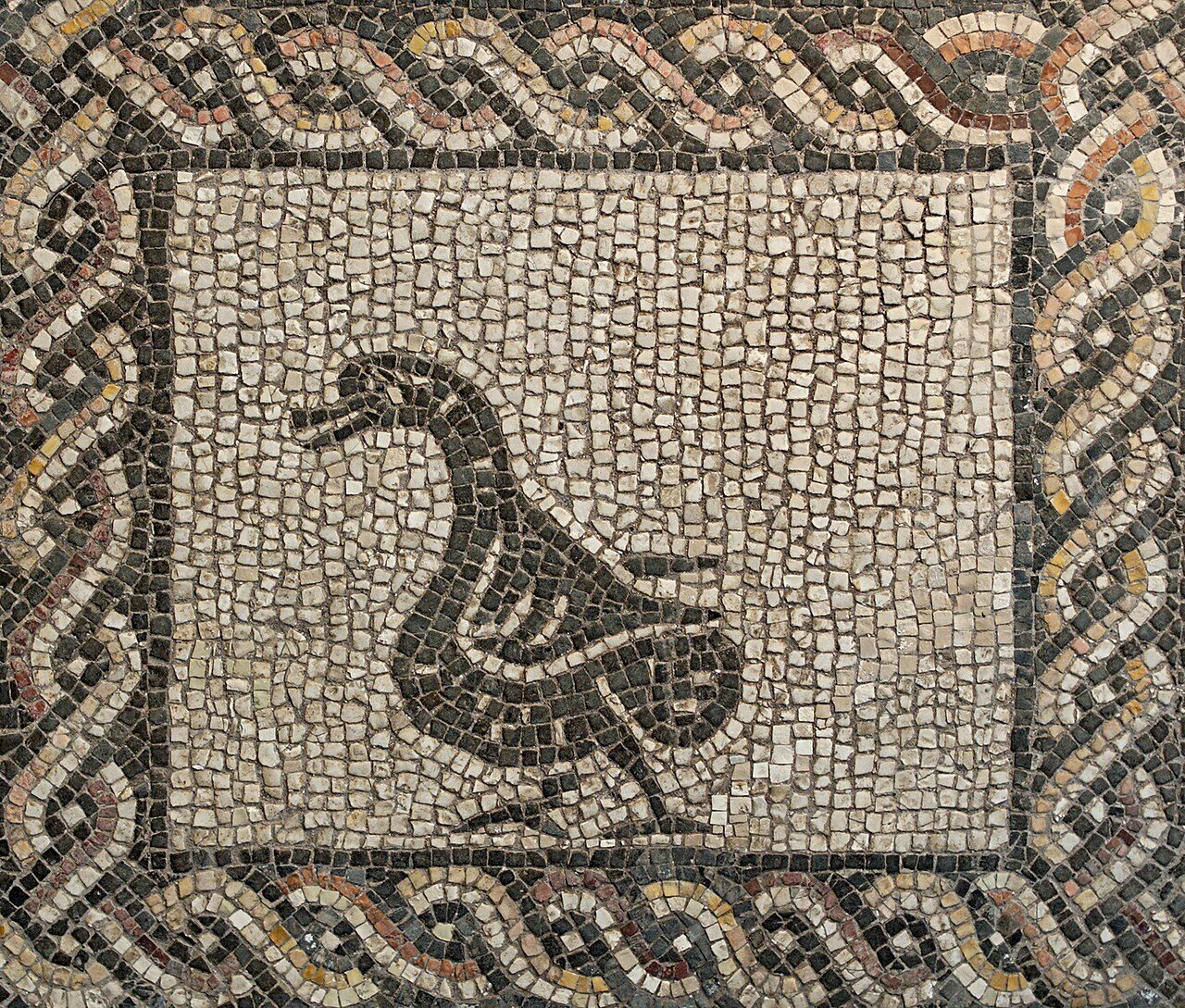
3 min read · 2 sourcesOpus tessellatum is the Latin name for the normal technique of Greek and Roman mosaic, made from tesserae that are larger than about 4 mm. It is distinguished from the finer opus vermiculatum which used tiny tesserae, typically cubes of 4 millimetres or less, and was produced in workshops in relatively small panels which were transported to the site glued to some temporary support. Opus tessellatum was used for larger areas and laid down at the final site. The two techniques were often combined, with small panels of opus vermiculatum called emblemata at the centre of a larger design in opus tessellatum. The tiny tesserae of opus vermiculatum allowed very fine detail, and an approach to the illusionism of painting. There was a distinct native Italian style of opus tessellatum using only black on a white background, which was no doubt cheaper than fully coloured work. Opus tessellatum is usually used for backgrounds consisting of horizontally or vertically arranged lines, but not both in a grid, which would be opus regulatum. Opus tessellatum was the most common mosaic technique among the ancient Greeks and Romans, in early Christianity and in the Byzantine Empire. It was a further development of the pebble mosaic technique, which utilized untreated pebbles. Later, tesserae were also used for pebble mosaics to give the motif richer colors. Finally, no later than the end of the 2nd century BC, mosaics in the eastern Mediterranean began to be created only from tesserae. 1
Production
Mosaics are created in several stages: 1
First, a layer of aggregate made of large stones is laid to drain the soil. That's the statute. This is followed by a 10-12 centimeter layer to level the ground. This layer, consisting of lime, gravel and stone chips, is called rudus. A coarse mortar consisting of lime and terracotta elements is laid on top of it. This 2-3 cm thick layer is called a nucleus. Finally, a bed - a thin layer of mortar - is formed before the pattern is created. The pattern is formed according to a preparatory drawing, which may or may not be transferred from the model. 1
The text above is adapted from the Wikipedia article “Opus tessellatum”, available under the Creative Commons Attribution-ShareAlike 4.0 licence. 1
opus tessellatum is mosaic technique, according to the structured record cited below. This entry was generated automatically from that record and has not yet been reviewed by a person familiar with the tradition. 2
The source record links this tradition to 5 external registers, which can be verified through the citation. 2