The tradition & historical record
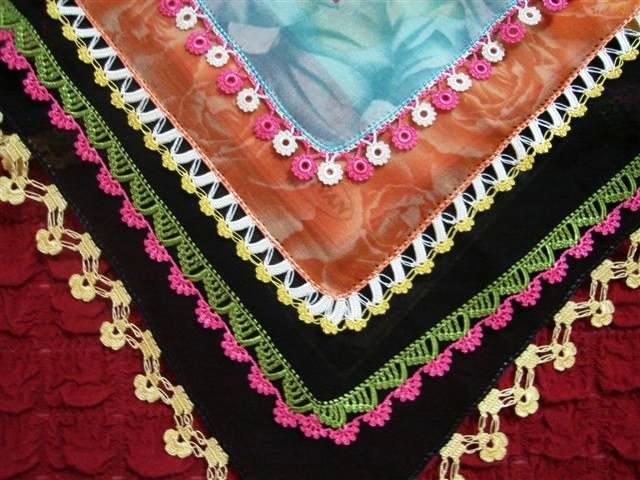
2 min read · 2 sourcesOya, “Turkish lace”, is a Turkish word that means various forms of narrow lace trimmings, that is worn throughout the eastern and southern parts of the Mediterranean region, as well as Armenia. It is thought to date back as far as the 8th century BC, to the Phrygians of Anatolia. Some argue that the needlework and the decorate edging spread from 12th century Anatolia to Greece and from there via Italy to Europe. Oya appears in various forms and motifs, with the most beautiful examples made by aristocratic, urban and experienced women in the Ottoman palace. Today, it is still very popular among the Turkish elite and is highly sought after and very collectible. Oya is used on headdresses and scarves of women, undergarments and outer garments alike, and frequently on household textiles, such as the edges of towels, napkins, and table cloths; in the Aegean Region even men’s headdresses were decked with layers upon layers of oya. Modern oya is also used in jewelry making. The basic types include the needle made oya (usually three-dimensional), the crochet oya and the hairpin oya. It is often combine with beads, sequins and other decorative pieces. Young girls, new brides traditionally conveyed their love, hopes, expectations and happiness through the oya they wore. Many motifs are inspired by nature, usually the flowers and fauna found in the Turkish countryside. 1
The text above is adapted from the Wikipedia article “Oya (lace)”, available under the Creative Commons Attribution-ShareAlike 4.0 licence. 1
oya is type of needle-knotted lace edging variously made with a needle, shuttle, or crochet hook, according to the structured record cited below. This entry was generated automatically from that record and has not yet been reviewed by a person familiar with the tradition. 2
The source record links this tradition to 3 external registers, which can be verified through the citation. 2