The tradition & historical record
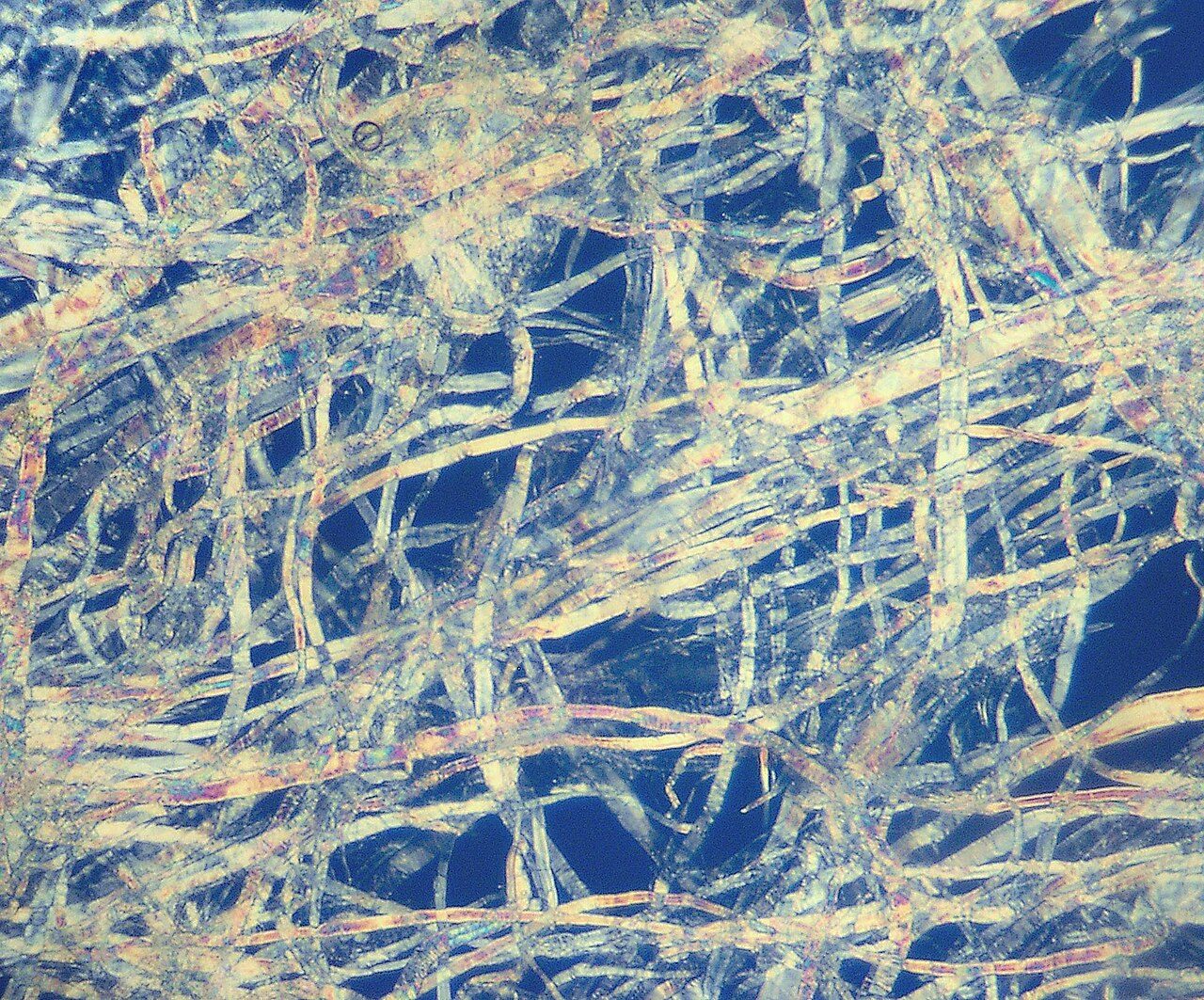
5 min read · 2 sourcesPulp is a fibrous lignocellulosic material prepared by chemically, semi-chemically, or mechanically isolating the cellulosic fibers of wood, fiber crops, waste paper, or rags. Mixed with water and other chemicals or plant-based additives, pulp is the major raw material used in papermaking and the industrial production of other paper products. 1
History
Before the widely acknowledged invention of papermaking by Cai Lun in China around AD 105, paper-like writing materials such as papyrus and amate were produced by ancient civilizations using plant materials which were largely unprocessed. Strips of bark or bast material were woven together, beaten into rough sheets, dried, and polished by hand. Pulp used in modern and traditional papermaking is distinguished by the maceration process which produces a finer, more regular slurry of cellulose fibers which are pulled out of solution by a screen and dried to form sheets or rolls. The earliest paper produced in China consisted of bast fibers from the paper mulberry (kozo) plant along with hemp rag and net scraps. By the 6th century, the mulberry tree was domesticated by farmers in China specifically for the purpose of producing pulp to be used in the papermaking process. In addition to mulberry, pulp was also made from bamboo, hibiscus bark, blue sandalwood, straw, and cotton. Papermaking using pulp made from hemp and linen fibers from tattered clothing, fishing nets and fabric bags spread to Europe in the 13th century, with an ever-increasing use of rags being central to the manufacture and affordability of rag paper, a factor in the development of printing. By the 1800s, production demands on the newly industrialized papermaking and printing industries led to a shift in raw materials, most notably the use of pulpwood and other tree products which today make up more than 95% of global pulp production. 1
The use of wood pulp and the invention of automatic paper machines in the late 18th- and early 19th-century contributed to paper's status as an inexpensive commodity in modern times. 1
Wood pulp
The timber resources used to make wood pulp are referred to as pulpwood. While in theory any tree can be used for pulp-making, coniferous trees are preferred because the cellulose fibers in the pulp of these species are longer, and therefore make stronger paper. Some of the most commonly used trees for paper making include softwoods such as spruce, pine, fir, larch and hemlock, and hardwoods such as eucalyptus, aspen and birch. There is also increasing interest in genetically modified tree species (such as GM eucalyptus and GM poplar) because of several major benefits these can provide, such as increased ease of breaking down lignin and increased growth rate. A pulp mill is a manufacturing facility that converts wood chips or other plant fibre source into a thick fiberboard which can be shipped to a paper mill for further processing. Pulp can be manufactured using mechanical, semi-chemical or fully chemical methods (kraft and sulfite processes). The finished product may be either bleached or non-bleached, depending on the customer requirements. Wood and other plant materials used to make pulp contain three main components (apart from water): cellulose fibers (desired for papermaking), lignin (a three-dimensional polymer that binds the cellulose fibres together) and hemicelluloses (shorter branched carbohydrate polymers). The aim of pulping is to break down the bulk structure of the fibre source, be it chips, stems or other plant parts, into the constituent fibres. Chemical pulping achieves this by degrading the lignin and hemicellulose into small, water-soluble molecules which can be washed away from the cellulose fibres without depolymerizing the cellulose fibres (chemically depolymerizing the cellulose weakens the fibres). 1
Harvesting trees
Creating pulp begins with harvesting wood from trees, and forest management is necessary to ensure a continued supply. Pulp tree plantations account for 16 percent of world pulp production, old-growth forests 9 percent, and second- and third- and more generation forests account for the rest. Reforestation is practiced in most areas, so trees are a renewable resource. The FSC (Forest Stewardship Council), SFI (Sustainable Forestry Initiative), PEFC (Programme for the Endorsement of Forest Certification), and other bodies certify paper made from trees harvested according to guidelines meant to ensure good forestry practices. The number of trees consumed depends on whether mechanical processes or chemical processes are used. It has been estimated that based on a mixture of softwoods and hardwoods 12 metres (40 ft) tall and 15–20 centimetres (6–8 in) in diameter, it would take an average of 24 trees to produce 0.9 tonne (1 ton) of printing and writing paper, using the kraft process (chemical pulping). Mechanical pulping is about twice as efficient in using trees, since almost all of the wood is used to make fibre, therefore it takes about 12 trees to make 0.9 tonne (1 ton) of mechanical pulp or newsprint. There are roughly two short tons in a cord of wood. 1
Preparation for pulping
Woodchipping is the act and industry of chipping wood for pulp, but also for other processed wood products and mulch. Only the heartwood and sapwood are useful for making pulp. Bark contains relatively few useful fibers and is removed and used as fuel to provide steam for use in the pulp mill. Most pulping processes require that the wood be chipped and screened to provide uniform sized chips. 1
Pulping
There are a number of different processes which can be used to separate the wood fiber: 1
The text above is adapted from the Wikipedia article “Pulp (paper)”, available under the Creative Commons Attribution-ShareAlike 4.0 licence. 1
paper pulp is fibrous material used notably in papermaking, according to the structured record cited below. This entry was generated automatically from that record and has not yet been reviewed by a person familiar with the tradition. 2
The source record links this tradition to 23 external registers, which can be verified through the citation. 2