The tradition & historical record
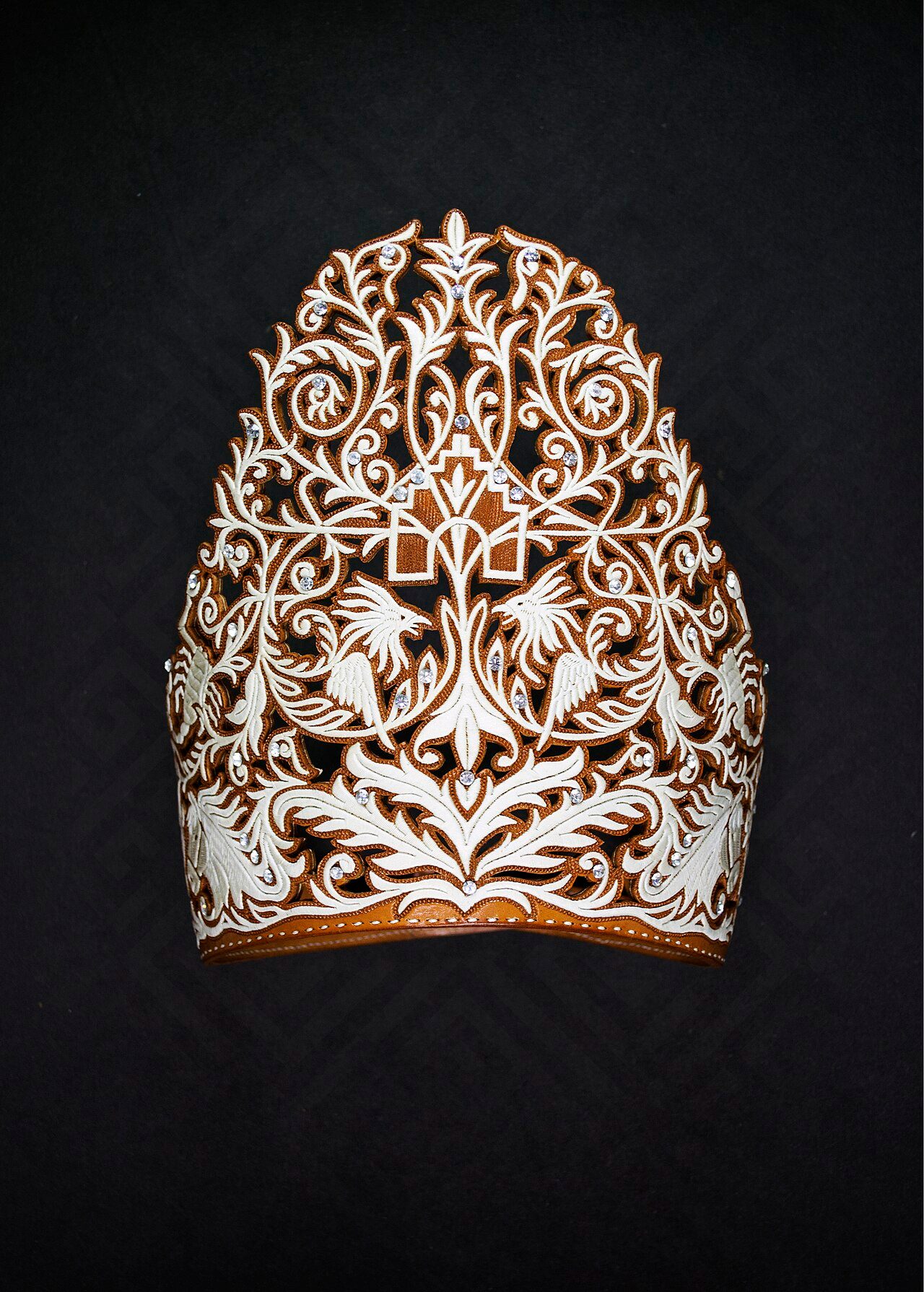
2 min read · 2 sourcesPiteado is an artisan technique where pita or ixtle (thread made from the fiber of the century plant) is embroidered onto leather in decorative patterns. The technique is used to make belts, sandals, hair bands, saddles, and other leather accessories. The technique is popular in Mexico and Central America, and typical designs include flowers, animals, charreada, and Pre-Hispanic symbols. The piteado work is a traditional art craft made by hand used in some Mexican Folklore, and has spread to several communities in other Mexican states, including Hidalgo, Guerrero, Veracruz, San Luis Potosi, State of Mexico, Durango, Zacatecas, Guerrero, Michoacán, and Chiapas. Colotlán is a town in Jalisco, who calls itself 'The piteado global capital, because their many saddlers shops, and piteado dedicated craftsmen as a main source of income for its inhabitants. Each one of those piteado-workshop employs three types of workers, each dedicated to a specialized task: drawers, embroiderers, and punteadores. There is an annual fair in promotion of local piteado artisan's art. Hand embroidering a belt requires about 48 hours of labor. The kind of agave thread used to embroider is produced in Veracruz, Chiapas, and Oaxaca. 1
The text above is adapted from the Wikipedia article “Piteado”, available under the Creative Commons Attribution-ShareAlike 4.0 licence. 1
piteado is embroidery technique using pita or ixtle (thread made from the fiber of the century plant) on leather, according to the structured record cited below. This entry was generated automatically from that record and has not yet been reviewed by a person familiar with the tradition. 2
The source record links this tradition to 2 external registers, which can be verified through the citation. 2