The tradition & historical record
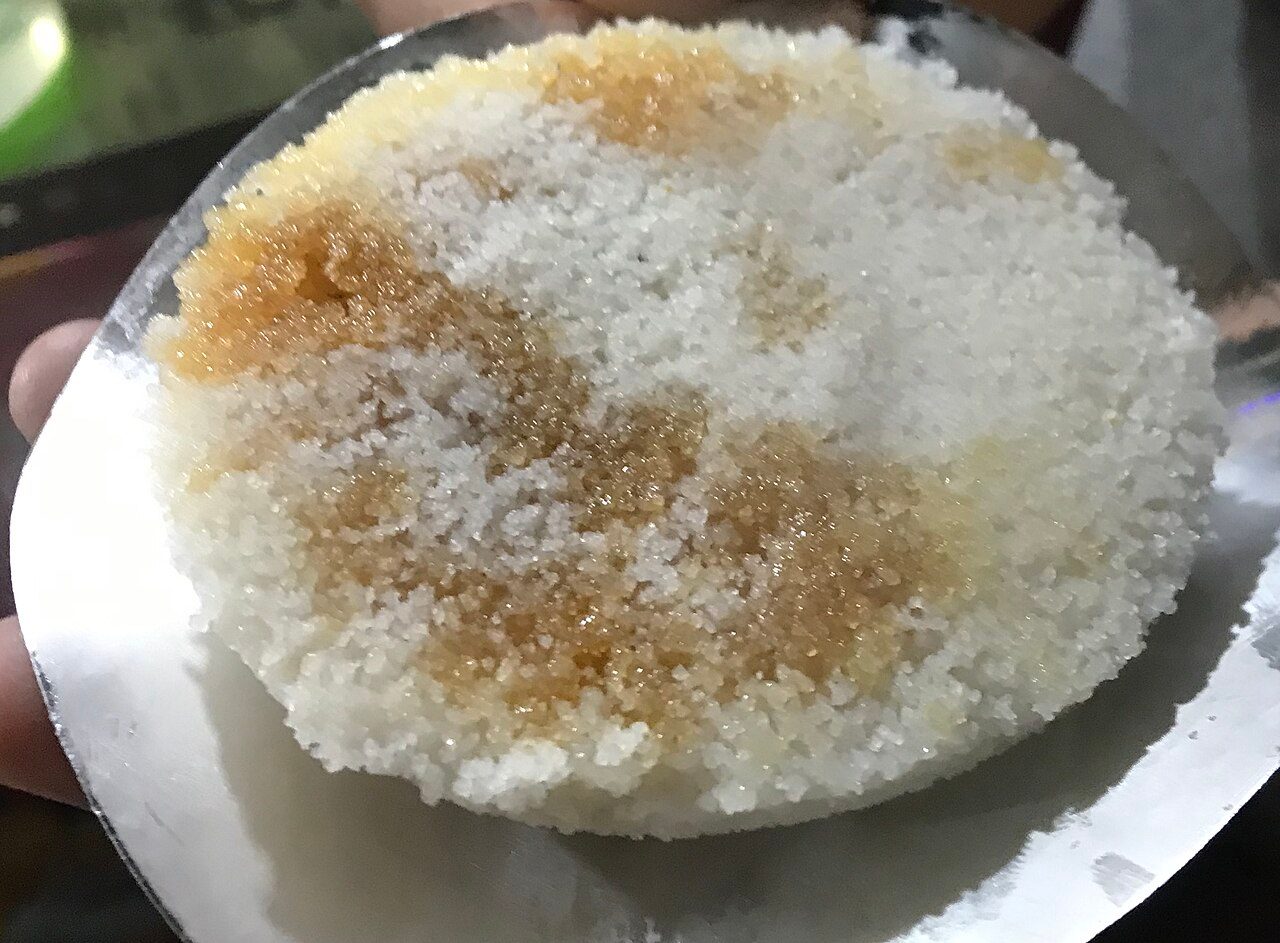
7 min read · 2 sourcesPitha (piṭhā; also called piṭhē) are a variety of food similar to pancakes, dumplings or fritters, originating from the eastern part of the Indian subcontinent (i.e., South Asia). Pitha can be sweet or savoury, and usually made from a dough or batter, which is then steamed, fried or griddled. Very few varieties are oven-baked or boiled, and most are unleavened and cooked on a stovetop (or equivalent). Some versions may have a filling, garnish, or sauce. Few may be set or shaped after cooking. They are typically eaten as a snack with chai, or as treats during special occasions (similar to mithai). Pitha is especially popular in the eastern region of Indian subcontinent, like Bangladesh and Indian states of West Bengal, Bihar, eastern Uttar Pradesh, Odisha, Jharkhand, and the Northeast Indian states, especially Tripura and Assam. Pithas are typically made of rice flour, although there are some types of pitha made of wheat flour. Less common types of pitha are made of palm or ol (a local root vegetable). 1
Preparation
Pithas are primarily made from a batter of rice flour or wheat flour, which is shaped and optionally filled with sweet or savory ingredients. When filled, the pitha's pouch is called a khōl (literally "container") and the fillings are called pur. For stuffed vegetable pithas, ingredients such as cauliflower, cabbage, radish, or potato are usually fried, baked, or steamed, and then mashed, cooled, and formed into small balls to stuff into the pithas. Sweet pithas typically contain sugar, jaggery, date juice, or palm syrup, and can be filled with grated coconut, fried or roasted sesame seeds, cashews, pistachios, sweetened vegetables, or fruits. Sweet pithas are also often flavored using cardamom or camphor. Depending on the type of pitha being prepared, pithas can be fried in oil or ghee, slow-roasted over a fire, steamed, or baked and rolled over a hot plate. Pithas are often eaten during breakfast, as a snack with (often with tea), and in dinner or lunch. Although there are many sweet varieties that are reserved for desserts or holidays. 1
Different pithas from each region
Pithas vary considerably across the regions of the eastern Indian subcontinent. 1
In Odisha
In Odisha, pitha are a group of festive preparations, usually prepared on ritual days as part of an Ōṣā or Brata. Pithas are part of the Mahaprasada and are prepared every day by the Mahasuaras in the Roshasala of the Jagannatha Temple, Puri. They have been prepared in the same method for several millennia in the temple kitchen. Several pithas owe their origin to the state. Some common pithas are: 1
Enduri pitha (ଏଣ୍ଡୁରି ପିଠା): prepared on Prathamastami with sweetened jaggery and coconut stuffing using turmeric leaves. Poda pitha (ପୋଡ଼ପିଠା): a semi-burnt rice-based pitha with coconut that is sweet to taste, offered to Jagannatha in Ratha Jatra. Kakara pitha (କାକରା ପିଠା): prepared during most festivals, it consists of deep-fried suji stuffed with rich coconut stuffing. Arisa pitha (ଆରିସା ପିଠା): a rice-based pitha topped with sesame seeds, ritually prepared in the month of Margasira during Manabasa Gurubara (Lakhmi Puja). Long ago, two merchants from Odisha named Tapassu and Bhallika devised this dish and offered it to the Buddha himself as a token of respect from their land. Manda pitha (ମଣ୍ଡା ପିଠା): a steamed pitha stuffed with coconut and jaggery mix, prepared for most festivals, including Manabasa Gurubara and Kumara Purnima. Sarsatia pitha (ସରସତିଆ ପିଠା): a crispy sweet pitha made using arua and resin from twigs of the Ganjer tree. Popular in Western Odisha. Chakuli pitha (ଚକୁଳି ପିଠା): a flat rice pitha resembling pancake, one of the few non-sweet pithas of Odisha Chitau pitha (ଚିତଉ ପିଠା): resembles chakuli, but has a different texture and thickness. Prepared on Chitalagi Amabasya. Chandrakanti pitha (ଚନ୍ଦ୍ରକାନ୍ତି ପିଠା): a deep-fried pitha made of green gram and rice flour. 1
In Assam
In Assam, pitha is a special class of rice preparation generally made only on special occasions like Bihu. Assamese pithas are often made from bora saul, a special kind of glutinous rice, or xaali saul, sun-dried rice. Some pithas commonly found in Assam include the following: 1
Kachi pitha (কাঁচি পিঠা, lit. 'sickle pitha': a pan-baked pancake made from bora saul and filled with sesame seeds, ground coconut, dried orange rind, and jaggery. The sickle is known as "Kachi" in Assamese, hence the name. Ghila pitha (ঘিলা পিঠা, lit. 'knee pitha'): a fried pitha made from bora saul and jaggery. Salt can also be used instead of jaggery for a savory variant. Sunga pitha (চুঙা পিঠা): a special pitha made with both xaali saul and bora saul, which are mixed with water and jaggery and churned thoroughly before being placed in a young bamboo tube corked with banana leaf and fire-roasted. The resulting tube-shaped cake is then cut into pieces and served with hot milk. Tekeli pitha (টেকেলি পিঠা, lit. 'earthenware pitha'): a special pitha made with both xaali saul and bora saul, mixed with coconut, sugar, and powdered milk. Ground cardamom and dried orange rind can also be added. The pitha is steamed in an earthenware pot or a kettle set on a hearth. Uhuwa pitha (উহোৱা পিঠা): rice flour of xaali saul and bora saul is mixed with jaggery or salt and water and churned thoroughly. The paste is rolled into small balls and flattened and then boiled in water. It is served with tea and also can be eaten with milk. Ketli pitha (কেটলি পিঠা): a pitha with a similar method of preparation and substance to the tekeli pitha, but a kettle is used to make it instead of earthenware, hence the name (ketli means 'kettle' in Assamese). 1
In Bangladesh, West Bengal, Tripura
It is also called pitha (Bengali: পিঠা; piṭha). While some pitha can be made at any time of the year in Bengal (Bangladesh and the Indian state of West Bengal), there are special pitha strongly associated with harvest festivals such as Nabanna (Bengali: নবান্ন nôbanno, literally "new rice" or "new food") and the Poush parbon or Makar Sankranti, celebrated on 14 January every year. During the autumn and winter seasons, festivals dedicated to pitha called pitha mela or pitha utshob are held locally all over Bangladesh. Some common ingredients in pitha are rice flour, milk, coconut and jaggery. It is often served with sweet syrups such as date tree molasses (Bengali: খেজুরের গুড় khejurer guṛ). A few of the most common pitha found in Bengal include the following: 1
Teler piṭha (তেলের পিঠা, lit. 'oil pitha'), also known as Guror Handesh or simply Handesh: a Pitha that originates in Sylhet, Bangladesh. Khola chitoi (খোলা চিতই): a crêpe made with rice flour and eggs that originates from Noakhali. Nuner pitha (নুনের পিঠা, lit. 'The pitha of salt'): generally a mixture of water, onions, gingers, turmeric powder, salt, coriander leaves, chili pepper and rice flour; after adding the rice flour the mixture will turn into dough after which it is smashed down and cut into circles. Nuner pitha originates from Sylhet. Dudh Chitoi (দুধ চিতই) Shingara (সিঙ্গারা): a Bangladeshi version of a samosa. 1
The text above is adapted from the Wikipedia article “Pitha”, available under the Creative Commons Attribution-ShareAlike 4.0 licence. 1
Pitha is dessert from Eastern India, according to the structured record cited below. This entry was generated automatically from that record and has not yet been reviewed by a person familiar with the tradition. 2
The source record links this tradition to 2 external registers, which can be verified through the citation. 2