The tradition & historical record
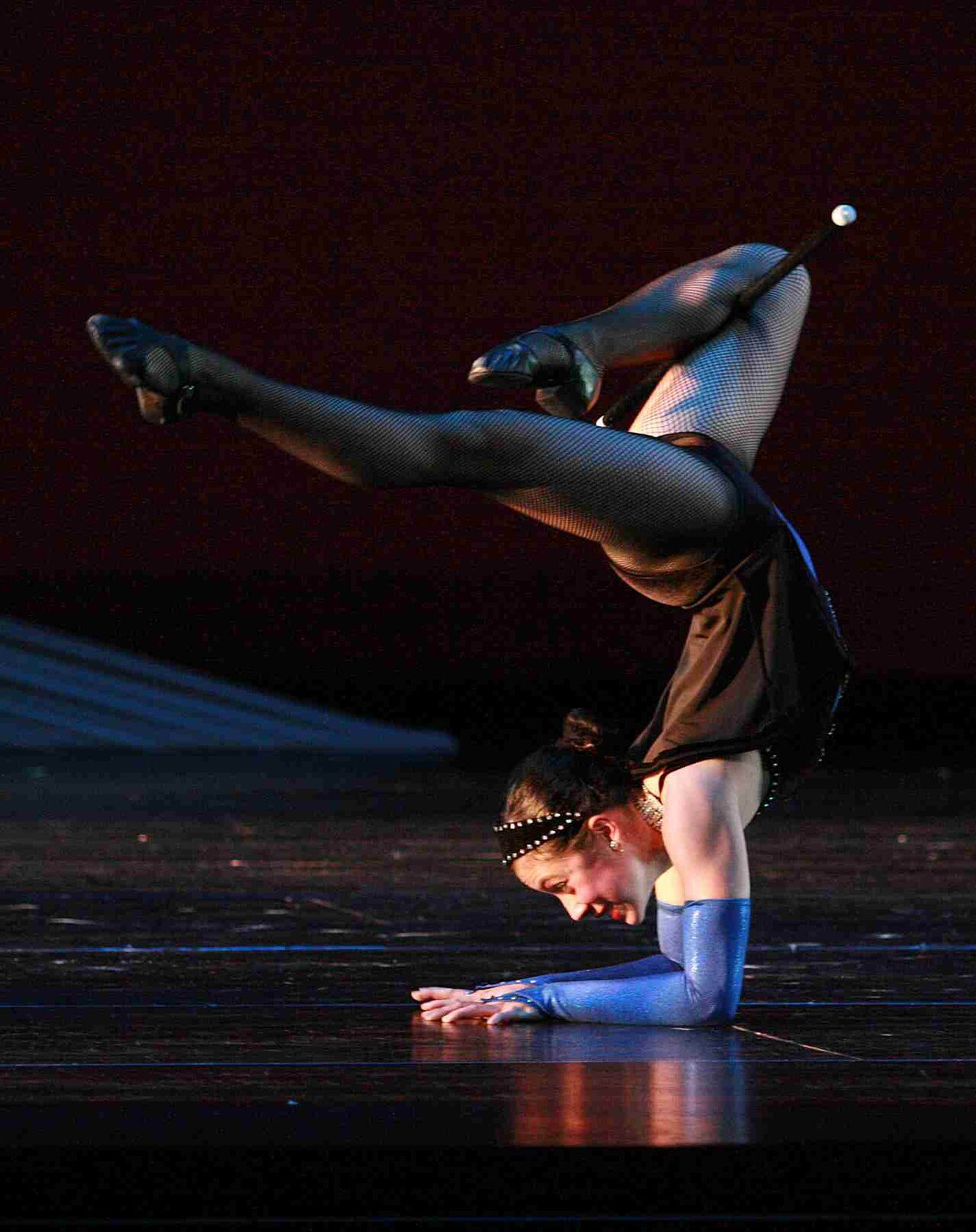
4 min read · 16 sourcesPole sports, or poling, merges dance and acrobatics using a vertical metal pole. Athletes climb up, spin from, hang off, flip onto, jump off, and invert on poles. Poling requires agility, strength, balance, endurance, and flexibility. A 2017 study of 52 female pole dancers indicated that pole-dance fitness improves strength and posture. Poling can serve as a form of cardiorespiratory exercise and can improve muscle strength and flexibility. Pole-sports athletes include men and women of a variety of ages and physical abilities, including para-athletes, who perform alone or with others (for example, in doubles competitions). Poling developed into a fitness activity and sport during the 1990s and 2000s, with national and international pole competitions. Poling has become a dance, fitness activity and sport, and continues to evolve. The International Pole Sports Federation (IPSF), formed in 2009 by Tim Trautman and Katie Coates, is endeavoring to make poling an Olympic sport. The federation has held world championships since 2012, and poling was one of seven sports granted observer status by the Global Association of International Sports Federations (GAISF) in 2017. Professional pole-sports leagues have been formed, notably Oksana Grishina's O.G. Pole Fitness (which holds its annual championship at Mr. 1
Background
Historically, poles have been used in various sports, dances, and recreational activities, including mallakhamba, the Filipino dance Singkil, maypole dancing, and circuses. For example, mallakhamba traces its origins to the 12th-century malla-yuddha, a type of wrestling in India. It commonly uses a 2.25-metre (7 ft 5 in) wooden pole and a cotton rope. The practice has a spiritual component, involves acrobatic and yogic movements, and was first developed as a tool for wrestlers. Mallakhamba has grown into a contemporary sport: 1
When mallakhamb re-emerged in the nationalist period before Indian independence, it was practiced separate to wrestling. At this point, paradoxically, the actual form of mallakhamb in its new incarnation became influenced by English competitive sports and took on the structural framework of colonial British gymnastics. It was at this point that mallakhamb became an organized sport and was most often practiced in Western-style gymnasiums and urban sport grounds. According to Qifeng and Xining, acrobatic Chinese pole-climbing was first mentioned 2,000 years ago. Its techniques arose from tree-climbing in agriculture. Chinese poling is an acrobatic activity which has been part of Cirque du Soleil and is taught for recreational purposes in aerial gyms, such as Aerial Athletica in Las Vegas. Poling for fitness and sport grew out of strip clubs and striptease. Not all strip dance clubs have poles, however, and not all strippers make a pole central to their performance. Classes in "exotic" pole, pole fitness and pole dance have been offered in strip clubs, bars, gyms and specialized pole studios. This included Image Studio in Canada in the 1980s, where male and female "exotic dancers" were trained in pole dance, floor work, and choreography. 1
Sport
Pole dance has become pole sports; the International Pole Sports Federation was founded in 2008, with national federations, competitive teams, formalized rules and a code of points. Poling tricks have multiplied as the pole community has developed and shared new techniques. Some athletes perform acrobatic tricks, jumps and other maneuvers, making poling an extreme sport. Companies have formed to support pole sports, manufacturing competition poles and poles for home and practice. Performers use a variety of grip aids to minimize sweat or aid stickiness. Other companies provide clothing to polers. 1
The text above is adapted from the Wikipedia article “Pole sports”, available under the Creative Commons Attribution-ShareAlike 4.0 licence. 1
pole sports is type of sport involving dance and acrobatics using a vertical pole, according to the structured record cited below. This entry was generated automatically from that record and has not yet been reviewed by a person familiar with the tradition. 2
The source record links this tradition to 1 external register, which can be verified through the citation. 2