The tradition & historical record
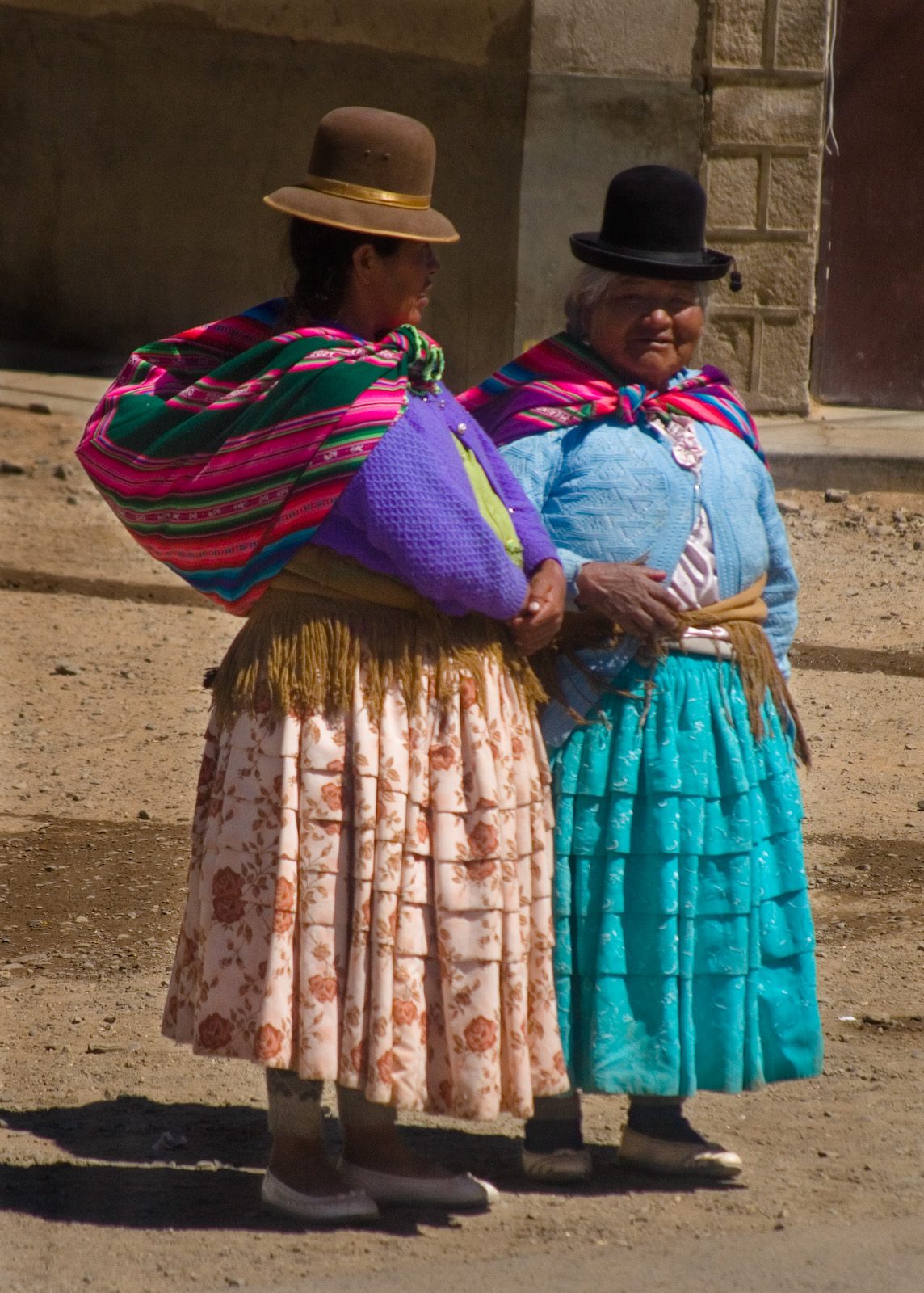
4 min read · 2 sourcesThe pollera is a traditional skirt and ensemble with origins in Panama, Bolivia, and Peru, each region developing its own distinctive styles and cultural significance over time. The Panamanian pollera has evolved into the national folk costume, crafted by specialized artisans with elaborate embroidery and lacework. Panamanian polleras are handmade, vary by region and occasion, and can be highly expensive. They reflect a mix of Indigenous, European, and Afro-Antillean influences and identities, and can be worn by everyone. The Bolivian and Peruvian polleras are pleated skirts, mostly associated with Indigenous and mestizo women, especially in urban and rural settings. In Bolivia, the pollera became a visible marker of class and ethnic identity, and is central to both social activism and cultural resistance. 1
Panamanian pollera
The Panamanian pollera is recognized as one of the most elaborate traditional garments in the Americas, with origins traced to the attire of Spanish women who arrived during the 16th and 17th centuries. The origins of the pollera are rooted in Spanish colonial influence, but reflect Panama’s broader history as a cultural crossroads shaped by Indigenous, European, and Afro-Antillean traditions and ways of dress. Polleras are traditional garments that serve as Panama’s national dress, particularly associated with the interior provinces of Panama. The Panamanian pollera consists of a handmade skirt and shirt, crafted by Panamanian artisans in a range of colors and designs. These outfits are often passed down through generations. It is handmade, often on fine-threaded fabric, and features intricate lacework and embroidery using techniques such as darning, cross-stitch, and shaded work. Polleras are typically custom-made, as a proper fit is considered essential. Each pollera type is associated with unique regional customs, elements of jewelry, and methods of adornment, reflecting Panama’s diverse cultural heritage. They are typically classified into two main types: gala (formal) and labor (work), with each region having its variations. The creation of a pollera is time-intensive, often requiring between one and a half to two years to complete. The Panamanian pollera is internationally recognized for its elaborate designs, vibrant colors, embroidery, lace, metalwork, and craftsmanship. It is considered one of the most beautiful traditional costumes in the world. 1
Pollera de Gala
The gala, or luxury, pollera is the most ornate and is crafted with Valencian lace and locally made braids. The embroidery covers the entire garment and is often done by eye, making some styles particularly challenging. Variations include the "Talco al sol" (Sun Talc), which involves colored fabric cutwork, and the rarer "Talco en sombra" (Shadow Talc), featuring work beneath the fabric. The formal gala pollera is worn at celebrations such as quinceañeras and weddings, distinguished by its white fabric, white thread embroidery, lace ribbons, and sometimes wool or other fibers. It is accessorized with pearl combs and chains, including religious pieces. The most expensive versions are the Santeña gala de labor polleras, though prices vary based on the type of labor and regional style. 1
Pollera Montuna or Pollera Zaraza
Originally worn for rural activities, the mountain skirt varies by region (e.g., Santeña, Ocú, Veraguas, Penonomé, Antón), with distinctions in shirt style, jewelry, headdress, and hat. The term "montuna" refers to its origins among peasant women from the mountains, but the name "zaraza" is also used, referencing the fabric. Modern festive versions feature increased craftsmanship and flair. 1
Pollera Congo
This style is part of the Afro-Panamanian tradition, especially in Colón. It is made from a variety of brightly colored fabrics or floral prints, with scraps arranged in a random, yet intentional way. The Congo queen’s attire includes a crown, natural or artificial flowers in the hair, and numerous long necklaces. It is traditional for the Congo dancer to perform barefoot. 1
Pollera con Basquiña
The Pollera con basquiña is used in several regions. The basquiña is crafted from fine fabrics, adorned with tucks, braid, and Valencian or thread lace. It is paired with gold or gold-plated silver buttons, chains, and specific traditional jewelry. Hairstyles used for the basquiña avoid single braids and are usually styled in two braids or a bun. Black shoes known as "pana" or "panitas" are typically worn, except in Darién, where the outfit is worn without shoes. 1
The text above is adapted from the Wikipedia article “Pollera”, available under the Creative Commons Attribution-ShareAlike 4.0 licence. 1
pollera is long, full skirt of Spanish origin, worn throughout Latin America as part of folk dress, according to the structured record cited below. This entry was generated automatically from that record and has not yet been reviewed by a person familiar with the tradition. 2
The source record links this tradition to 2 external registers, which can be verified through the citation. 2