The tradition & historical record
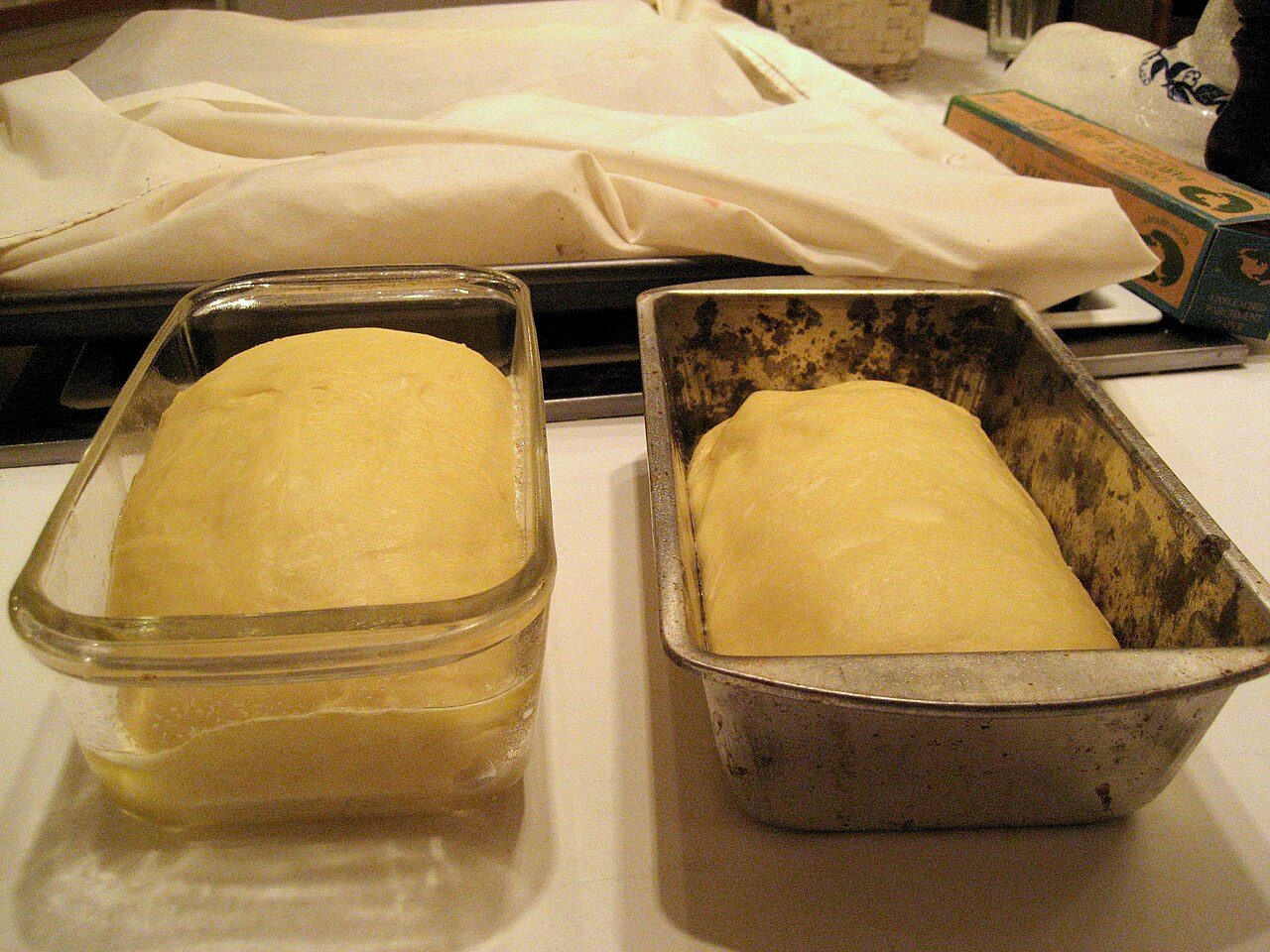
5 min read · 2 sourcesProofing (North American) or proving (British and Australasia) is a step in the preparation of yeast bread and other baked goods in which the dough is allowed to rest and rise a final time before baking. During this rest period, yeast ferments the dough and produces gases, thereby leavening the dough. In contrast, proofing or blooming yeast (as opposed to proofing the dough) may refer to the process of first suspending yeast in warm water, a necessary hydration step when baking with active dry yeast. Proofing can also refer to the process of testing the viability of dry yeast by suspending it in warm water with carbohydrates (sugars). If the yeast is still alive, it will feed on the sugar and produce a visible layer of foam on the surface of the water mixture. Fermentation rest periods are not always explicitly named, and can appear in recipes as "Allow dough to rise." When they are named, terms include "bulk fermentation", "first rise", "second rise", "final proof" and "shaped proof". 1
Dough processes
The process of making yeast-leavened bread involves a series of alternating work and rest periods. Work periods occur when the dough is manipulated by the baker. Some work periods are called mixing, kneading, and folding, as well as division, shaping, and panning. Work periods are typically followed by rest periods, which occur when dough is allowed to sit undisturbed. Particular rest periods include, but are not limited to, autolyse, bulk fermentation and proofing. Proofing, also sometimes called final fermentation, is the specific term for allowing dough to rise after it has been shaped and before it is baked. Some breads begin mixing with an autolyse. This refers to a period of rest after the initial mixing of flour and water, a rest period that occurs sequentially before the addition of yeast, salt and other ingredients. This rest period allows for better absorption of water and helps the gluten and starches to align. The autolyse is credited to Raymond Calvel, who recommended it as a way to reduce kneading time and thereby improve the flavor and color of bread. 'Proofing the yeast' is a hydration process that occurs when dry yeast is mixed with warm water and allowed to rest for a short time. The minimum weight of water required may be calculated: yeast weight x 4 = water weight. Yeast viability can be tested by mixing yeast in warm water and sugar, and following a short rest period during which the cells first accommodate to the environment and then begin to grow, a layer of foam is developed by the action of the yeast, a sign of primary fermentation and live yeast. Typically 60 ml (1⁄4 cup) water at 40–45 °C (105–115 °F) and 2 g (1⁄2 teaspoon) of sugar are used, or expressed differently, a sugar weight of about 3.5% of the water's weight. 1
Proofing equipment
To ensure consistent results and maintain baking schedules, specialized tools are used to manipulate the speed and qualities of fermentation. A dough proofer is a warming chamber used in baking that encourages fermentation of dough by yeast through warm temperatures and controlled humidity. It is also called a proofing box, proofing oven, or proofing cabinet. The warm temperatures increase the activity of the yeast, resulting in increased carbon dioxide production and a higher, faster rise. Dough is typically allowed to rise in the proofer before baking, but can also be used for the first rise, or bulk fermentation. Desired proofer temperatures can range from 20 to 45 °C (70 to 115 °F); cooler temperatures are achieved in a dough retarder, see below. Commercial bakers typically use large, temperature- and humidity-controlled proofers, whereas home bakers employ a variety of methods to create a warm, humid environment for dough rising. Examples include a home oven with a bowl of water and the pilot light on, a box with a bowl of hot water in it (the water is replaced periodically to maintain warmth), or a counter top proofer (an electric appliance) designed for home use. A dough retarder is a refrigerator used to control the fermentation of yeast when proofing dough. Lowering the temperature of the dough produces a slower, longer rise with more varied fermentation products, resulting in more complex flavors. In sourdough bread-making, cold decreases the activity of wild yeast relative to the Lactobacilli, which produce flavoring products such as lactic acid and acetic acid. Sourdough that is retarded before baking can result in a more sour loaf. To prevent the dough from drying, air flow in the dough retarder is kept to a minimum. 1
The text above is adapted from the Wikipedia article “Proofing (baking technique)”, available under the Creative Commons Attribution-ShareAlike 4.0 licence. 1
proofing is the process by which a yeast-leavened dough rises, also called "proving", according to the structured record cited below. This entry was generated automatically from that record and has not yet been reviewed by a person familiar with the tradition. 2
The source record links this tradition to 2 external registers, which can be verified through the citation. 2