The tradition & historical record
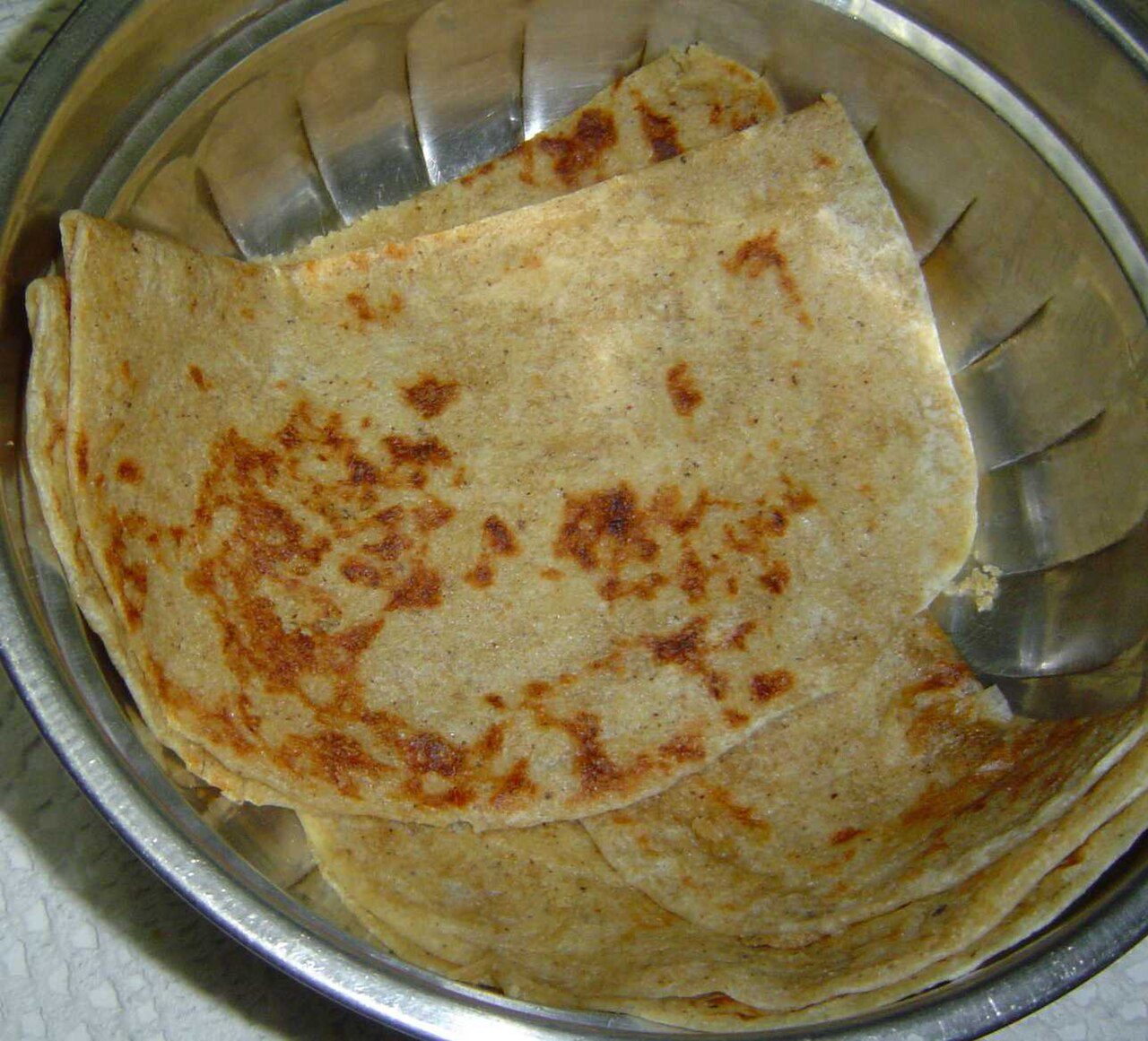
4 min read · 2 sourcesPuran poli (IPA: [puɾəɳ poɭiː]) is an Indian sweet flatbread that is popular in South India and mainly in the state of Maharashtra. It is also known as puran puri, holige, obbattu, bobbatlu, poley, bakshamulu, and boli. 1
Names
The various names for the flatbread include puran puri (પુરણ પુરી) or vedmi (વેડમી) in Gujarati, bobbatlu or baksham or oliga in Telugu, Andhra Pradesh. In Kannada holige (ಹೋಳಿಗೆ) (mainly in North Karnataka) and obbattu (ಒಬ್ಬಟ್ಟು) (in South Karnataka), puran poli (पुरण पोळी) in Marathi, payasaboli or simply boli (ബോളി) in Malayalam, Boli “போளி” in Tamil, bhakshalu or pole or polae in Telugu, Telangana and ubbatti or simply poli in Konkani. 1
History
There is a reference to this dish in the Sanskrit encyclopedia Manasōllāsa in the 12th century written by King Someshvara in Karnataka. Its recipe (as bakshyam) is mentioned in Manucharitra, a 14th-century Telugu encyclopaedia compiled by Allasani Peddanna hailing from present-day Andhra Pradesh. Bhavaprakash and Bhaishajya Ratnavali written by Govind Dasa state the recipe while explaining it as part of Ayurvedic preparations. 1
Ingredients
Holige is made from senaga pappu(harbara daal,हरबरा दाल), plain flour (wheat flour), maida, jaggery or cane sugar, cardamom powder and/or nutmeg powder, cinnamon powder, ghee and water. In Maharashtra, Maida or wheat flour, Jaggery, nutmeg powder, Chana Dal/Bengal gram, Ghee, and cardamom powder is used. Sometimes, pigeon pea is used in Gujarat. It is commonly used in the state of Karnataka and Tamil Nadu as well. In Andhra Pradesh and other places, pesara pappu, chickpea (senaga pappu) or a mix is used. Other ingredients that may or may not be used are: nuts, dates, and turmeric powder. 1
Nutritional value
The predominant ingredients are chana, plain flour, jaggery or sugar. 1. Chana: It is a variant of chickpea. It provides fiber, is a major source of protein, may help reduce cholesterol and also contains zinc, folate and calcium Toor dal can be used in place of chana dal and it has similar properties as of chana dal. 2. Plain flour, jaggery or sugar: These are the major sources of carbohydrates. While plain flour adds complex carbohydrates, jaggery and sugar are simple carbohydrates. 1
Regional variants
The method of preparation varies from place to place. There are many varieties of Obbattu including peanut, sugar, coconut, sesame and groundnut flavours. Sometimes grated coconut is added in Konkan, Maharashtra. Coconut palm jaggery may be used. Similarly, a mix of sugar and jaggery can be used as a sweetening agent. Normally nutmeg is used as a flavouring along the coast which is replaced by cardamom elsewhere or sometimes both are used. Methods of rolling the stuffed dough also differ. It can be rolled using rice flour which makes the rolling very convenient. In some recipes flour is not used at all; oil or ghee is used to roll it into a flatbread instead. The rolled bread can be roasted with or without any ghee or oil, which sometimes is smeared after it is completely cooked. In some places, all-purpose flour dough is used after adding a pinch of turmeric which gives it a traditional yellow color. The dish is produced using a sweet filling inside flour dough. This is then rolled out and cooked on a hot griddle, usually with ghee. The size and thickness of puran puri also vary greatly. In Gujarat where the stuffing used is toor dal, it is smaller in size and thicker, whereas in holige with coconut stuffing it is larger in size and thinner. 1
The text above is adapted from the Wikipedia article “Puran poli”, available under the Creative Commons Attribution-ShareAlike 4.0 licence. 1
Puran Poli is sweet dish of South India, according to the structured record cited below. This entry was generated automatically from that record and has not yet been reviewed by a person familiar with the tradition. 2
The source record links this tradition to 2 external registers, which can be verified through the citation. 2