The tradition & historical record
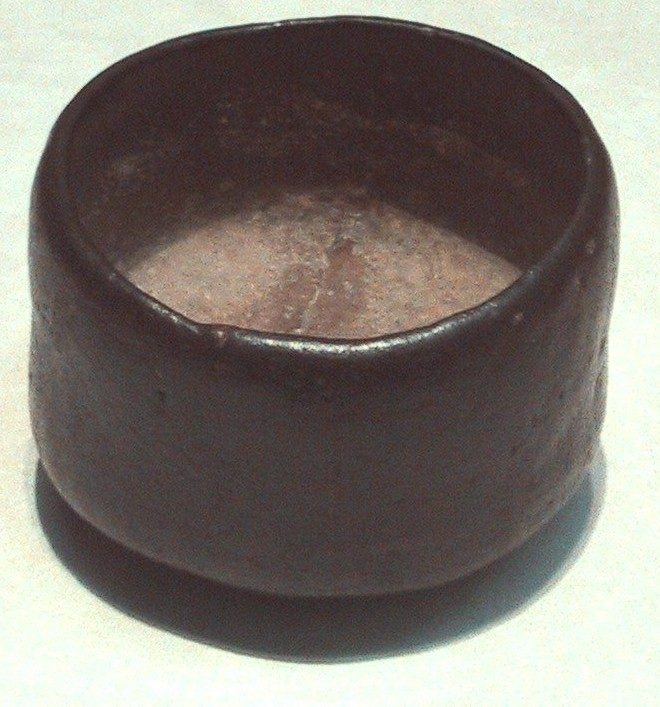
7 min read · 2 sourcesRaku ware (楽焼, raku-yaki) is a type of Japanese pottery traditionally used in Japanese tea ceremonies, most often in the form of chawan tea bowls. It is traditionally characterised by hand-shaping techniques, a high degree of porosity in the finished product (the result of low firing temperatures), lead glazes, and the removal of pieces from the kiln while still glowing hot. In the traditional Japanese process, the fired raku piece is removed from the hot kiln and is allowed to cool in the open air. 1
The Western version of raku was developed in the 20th century by studio potters. Typically wares are fired at a high temperature, and after removing pieces from the kiln, the wares are placed in an open-air container filled with combustible material, which is not a traditional Raku practice in Japan. The Western process can give a great variety of colors and surface effects, making it very popular with studio and amateur potters. 1
History
In the 16th century, Sen no Rikyū, the Japanese tea master, was involved with the construction of the Jurakudai and had a tile-maker, named Chōjirō, produce hand-moulded tea bowls for use in the wabi-styled tea ceremony that was Rikyū's ideal. The resulting tea bowls made by Chōjirō were initially referred to as "ima-yaki" ("contemporary ware") and were also distinguished as Juraku-yaki, from the red clay (Juraku) that they employed. Toyotomi Hideyoshi presented Jokei, Chōjirō's son, with a seal that bore the Chinese character for raku ("Enjoyment"). Raku then became the name of the family that produced the wares. Both the name and the ceramic style have been passed down through the family (sometimes by adoption) to the present 16th generation (Raku Kichizaemon XVI). The name and the style of ware has become influential in both Japanese culture and literature. In Japan, there are "branch kilns" (wakigama), in the raku-ware tradition, that have been founded by Raku-family members or potters who apprenticed at the head family's studio. One of the most well-known of these is Ōhi-yaki (Ōhi ware). After the publication of a manual in the 18th century, raku ware was also made in numerous workshops by amateur potters and tea practitioners in Kyoto, and by professional and amateur potters around Japan. Raku ware marked an important point in the historical development of Japanese ceramics, as it was the first ware to use a seal mark and the first to focus on close collaboration between potter and patron. Other famous Japanese clay artists of this period include Dōnyū (grandson of Chōjirō, also known as Nonkō; 1574–1656), Hon'ami Kōetsu (1556–1637) and Ogata Kenzan (1663–1743). It influenced Hōraku ware from Nagoya, Owari province in the later Edo period. 1
Western raku
Bernard Leach is credited with bringing Raku to the west. In 1911 he attended a party where he witnessed raku firing. This was his first experience of ceramics. Although he continued to experiment with raku firing for a few years following his return to England in 1920, the technique was largely forgotten after the 1930s. Raku became popular with American potters in the late 1950s with the help of Paul Soldner. Americans kept the general firing process, that is, heating the pottery quickly to high temperatures and cooling it quickly, but continued to form their own unique style of raku. Raku's unpredictable results and intense color attracts modern potters. These patterns and color result from the harsh cooling process and the amount of oxygen that is allowed to reach the pottery. Depending on what effect the artist wants, the pottery is either instantly cooled in water, cooled slowly in the open air, or placed in a barrel filled with combustible material, such as newspaper, covered, and allowed to smoke. Water immediately cools the pottery, stopping the chemical reactions of the glaze and fixing the colors. The combustible material produces smoke, which stains the unglazed portions of the pottery black. The amount of oxygen that is allowed during the firing and cooling process affects the color of the resultant glaze and the amount of crackle. Unlike traditional Japanese raku, which is mainly hand-built bowls of modest design, western raku tends to be vibrant in color, and comes in many shapes and sizes. Western raku can be anything from an elegant vase to an eccentric abstract sculpture. Although some do hand build, most western potters use throwing wheels while creating their raku piece. 1
Kilns and firing
The type and the size of kilns that are used in raku are crucial in the outcome. One aspect that can affect the results is the use of electric versus gas kilns. Electric kilns allow easy temperature control. Gas kilns, which comprise brick or ceramic fibers, can be used in either oxidation or reduction firing and use propane or natural gas. Gas kilns also heat more quickly than electric kilns, but it is more difficult to maintain temperature control. There is a noteworthy difference when using an updraft kiln rather than a downdraft kiln. An updraft kiln has shelves that trap heat. This effect creates uneven temperatures throughout the kiln. Conversely, a downdraft kiln pulls air down a separate stack on the side and allows a more even temperature throughout and allows the work to be layered on shelves. It is important for a kiln to have a door that is easily opened and closed, because, when the artwork in the kiln has reached the right temperature (over 1000 degrees Celsius), it must be quickly removed and put in a metal or tin container with combustible material, which reduces the pot and leaves certain colors and patterns. The use of a reduction chamber at the end of the raku firing was introduced by the American potter Paul Soldner in the 1960s to compensate for the difference in atmosphere between wood-fired Japanese raku kilns and gas-fired American kilns. Typically, pieces removed from the hot kiln are placed in masses of combustible material (e.g., straw, sawdust, or newspaper) to provide a reducing atmosphere for the glaze and to stain the exposed body surface with carbon. 1
Reduction process
Reduction firing is when the kiln atmosphere, which is full of combustible material, is heated up. "Reduction is incomplete combustion of fuel, caused by a shortage of oxygen, which produces carbon monoxide" (Arbuckle, 4). Eventually, all of the available oxygen is used. This then draws oxygen from the glaze and the clay to allow the reaction to continue. Oxygen serves as the limiting reactant in this scenario because the reaction that creates fire needs a constant supply of it to continue; when the glaze and the clay come out hardened, this means that the oxygen was subtracted from the glaze and the clay to accommodate the lack of oxygen in the atmosphere. Consequently, the Raku piece appears black or white, depending on the amount of oxygen that was lost from each area of the piece. 1
Raku reduction
In the western style of raku firing, the aluminium container acts as a reduction chamber, which is a container that allows the carbon dioxide to pass through a sma… 1
The text above is adapted from the Wikipedia article “Raku ware”, available under the Creative Commons Attribution-ShareAlike 4.0 licence. 1
raku ware is type of Japanese pottery traditionally used in tea ceremonies, according to the structured record cited below. This entry was generated automatically from that record and has not yet been reviewed by a person familiar with the tradition. 2
The source record links this tradition to 14 external registers, which can be verified through the citation. 2