The tradition & historical record
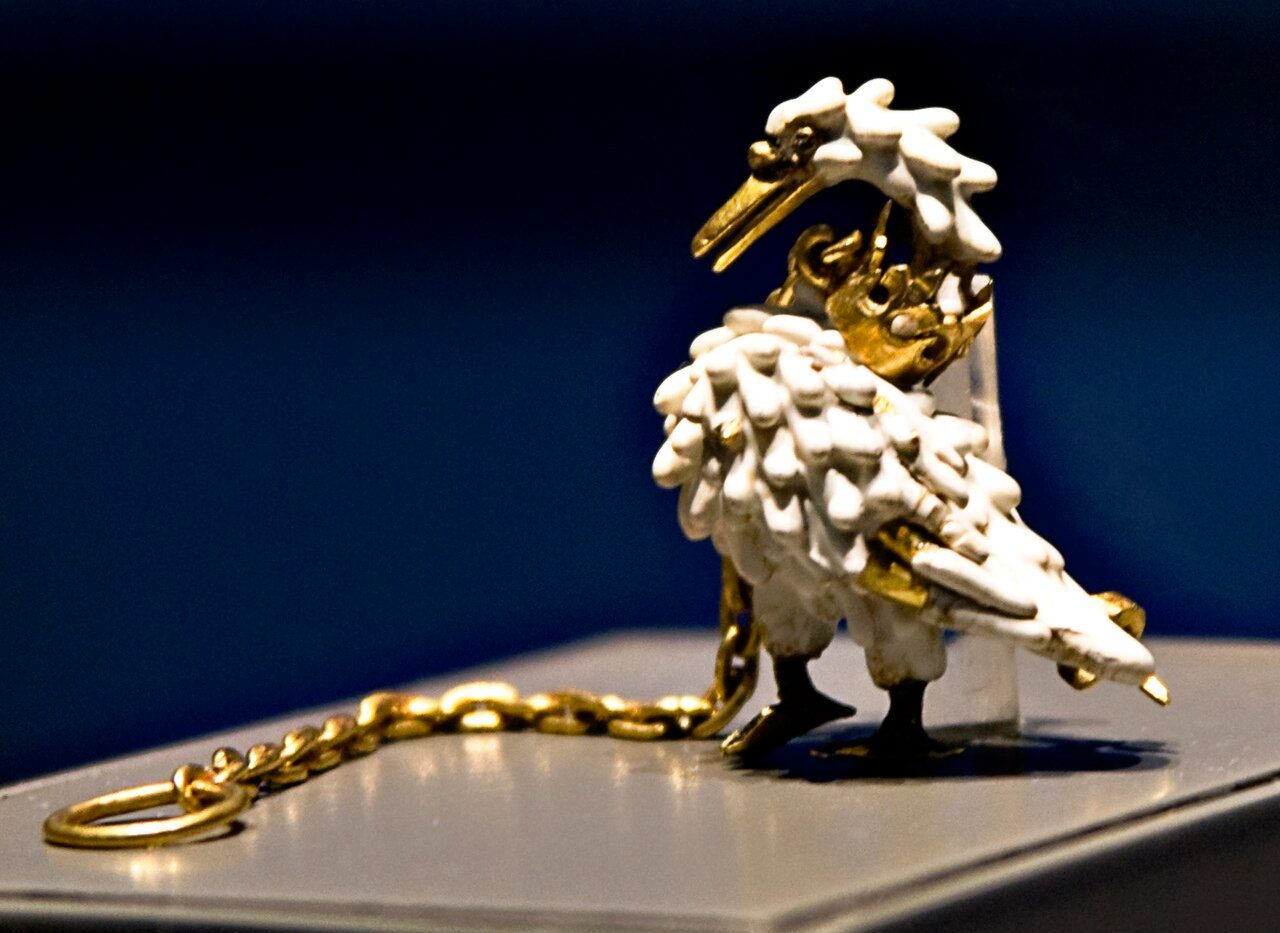
2 min read · 2 sourcesRonde-bosse, en ronde bosse or encrusted enamel is an enamelling technique developed in France in the late 14th century that produces small three-dimensional figures, or reliefs, largely or entirely covered in enamel. The new method involved the partial concealment of the underlying gold, or sometimes silver, from which the figure was formed. It differs from older techniques which all produced only enamel on a flat or curved surface, and mostly, like champlevé, normally used non-precious metals, such as copper, which were gilded to look like gold. In the technique of enamel en ronde-bosse small figures are created in gold or silver and their surfaces lightly roughened to provide a key for the enamel, which is applied as a paste and fired. In places the framework may only be wire. The term derives from the French term émail en ronde bosse ("enamel in the round"); however in French en ronde bosse merely means "in the round" and is used of any sculpture; in English ronde bosse or en ronde bosse, though usually treated as foreign terms and italicised, are specifically used of the enamel technique, and in recent decades have largely replaced the older English term "encrusted enamel". The technique rapidly reached maturity and produced a group of "exceptionally grand French and Burgundian court commissions, chiefly made c. 1400 but apparently continuing into the second quarter of the fifteenth century". 1
The text above is adapted from the Wikipedia article “Ronde-bosse”, available under the Creative Commons Attribution-ShareAlike 4.0 licence. 1
ronde-bosse is Enamelling technique that produces small three-dimensional figures, or reliefs, largely or entirely covered in enamel, according to the structured record cited below. This entry was generated automatically from that record and has not yet been reviewed by a person familiar with the tradition. 2
The source record links this tradition to 4 external registers, which can be verified through the citation. 2