The tradition & historical record
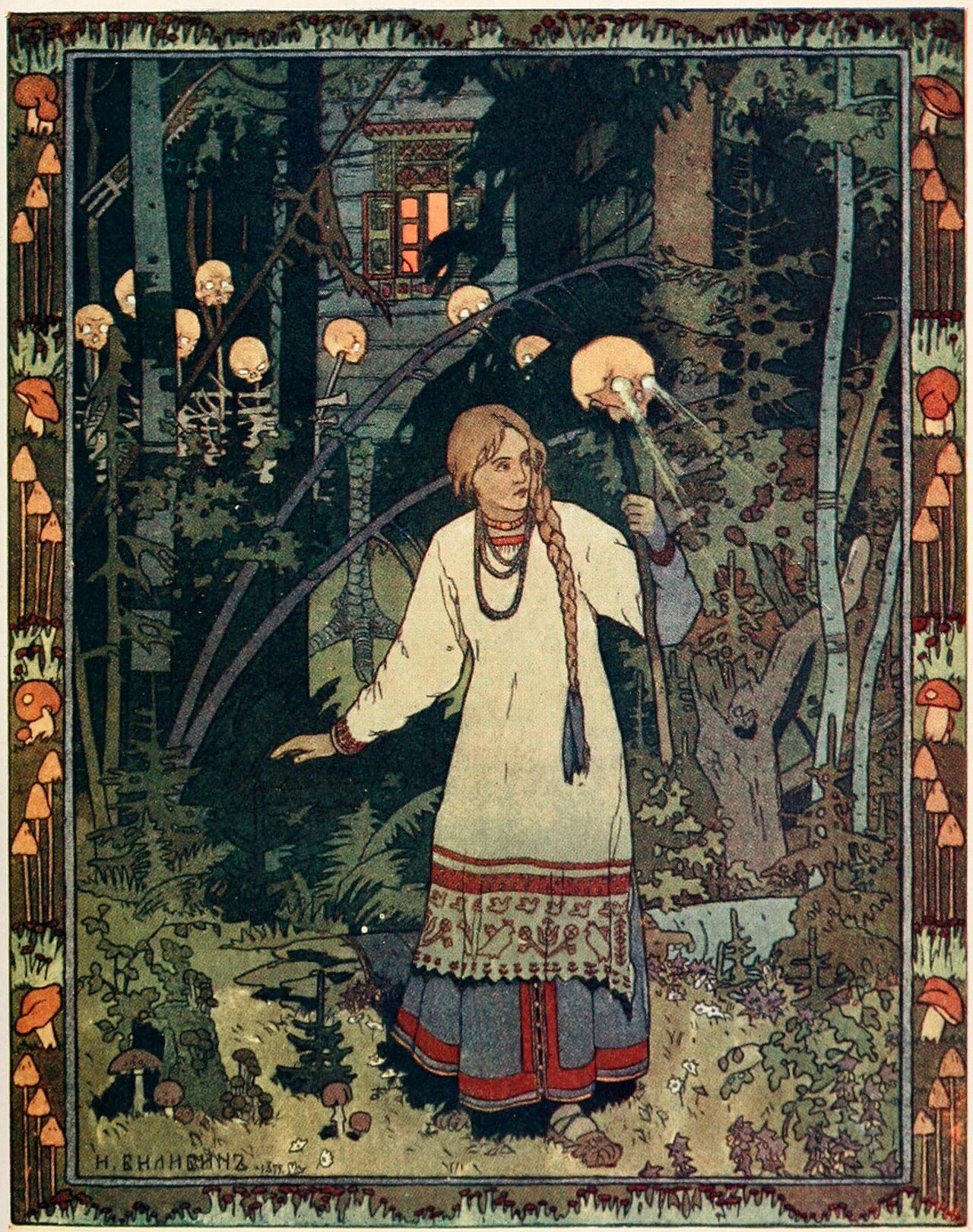
2 min read · 2 sourcesRussian Fairy Tales (Russian: Народные русские сказки, variously translated; English titles include also Russian Folk Tales) is a collection of nearly 600 fairy and folktales, collected and published by Alexander Afanasyev between 1855 and 1863. The collection contained fairy and folk tales from Ukraine and Belarus alongside Russian stories. In compiling the work, Afanasyev's editing was informed by the German Grimm's Fairy Tales, Slovak tales collected by Pavol Dobšinský, Božena Němcová's work, Vuk Karadžić's Serbian tales, and other Norwegian, French, and Romanian research. Vladimir Propp drew heavily on this collection for his analyses in his Morphology of the Folktale. 1
Fairy tales
Some of the tales included in these volumes: 1
The Death of Koschei the Immortal Vasilisa the Beautiful Vasilisa the Priest's Daughter Father Frost Sister Alenushka, Brother Ivanushka The Frog Princess Vasilii the Unlucky The White Duck The Princess Who Never Smiled Snegurochka, or The Snow Maiden The Wicked Sisters The Twelve Dancing Princesses The Magic Swan Geese The Feather of Finist the Falcon Tsarevitch Ivan, the Firebird and the Gray Wolf The Sea Tsar and Vasilisa the Wise The Bold Knight, the Apples of Youth, and the Water of Life Go I Know Not Whither and Fetch I Know Not What The Golden Slipper The Firebird and Princess Vasilisa The Armless Maiden The Gigantic Turnip Emelya the Simpleton Dawn, Midnight and Twilight The Fiend or The Vampire (Upyr) The Lute Player The Language of the Birds The Norka The Maiden Tsar Sivko-Burko Donotknow 1
Publications
Translations 1
The text above is adapted from the Wikipedia article “Russian Fairy Tales”, available under the Creative Commons Attribution-ShareAlike 4.0 licence. 1
Russian Fairy Tales is collection of Russian fairy tales, collected by Alexander Afanasyev, according to the structured record cited below. This entry was generated automatically from that record and has not yet been reviewed by a person familiar with the tradition. 2
The source record links this tradition to 5 external registers, which can be verified through the citation. 2