The tradition & historical record
2 min read · 2 sourcesRyukyuan pottery (Okinawan: 焼物, romanized: yachimun, Japanese: 琉球焼, romanized: Ryūkyū-yaki) include earthenware and stoneware items that are traditionally made on the Ryukyu Islands (Okinawa) in east Asia. 1
History
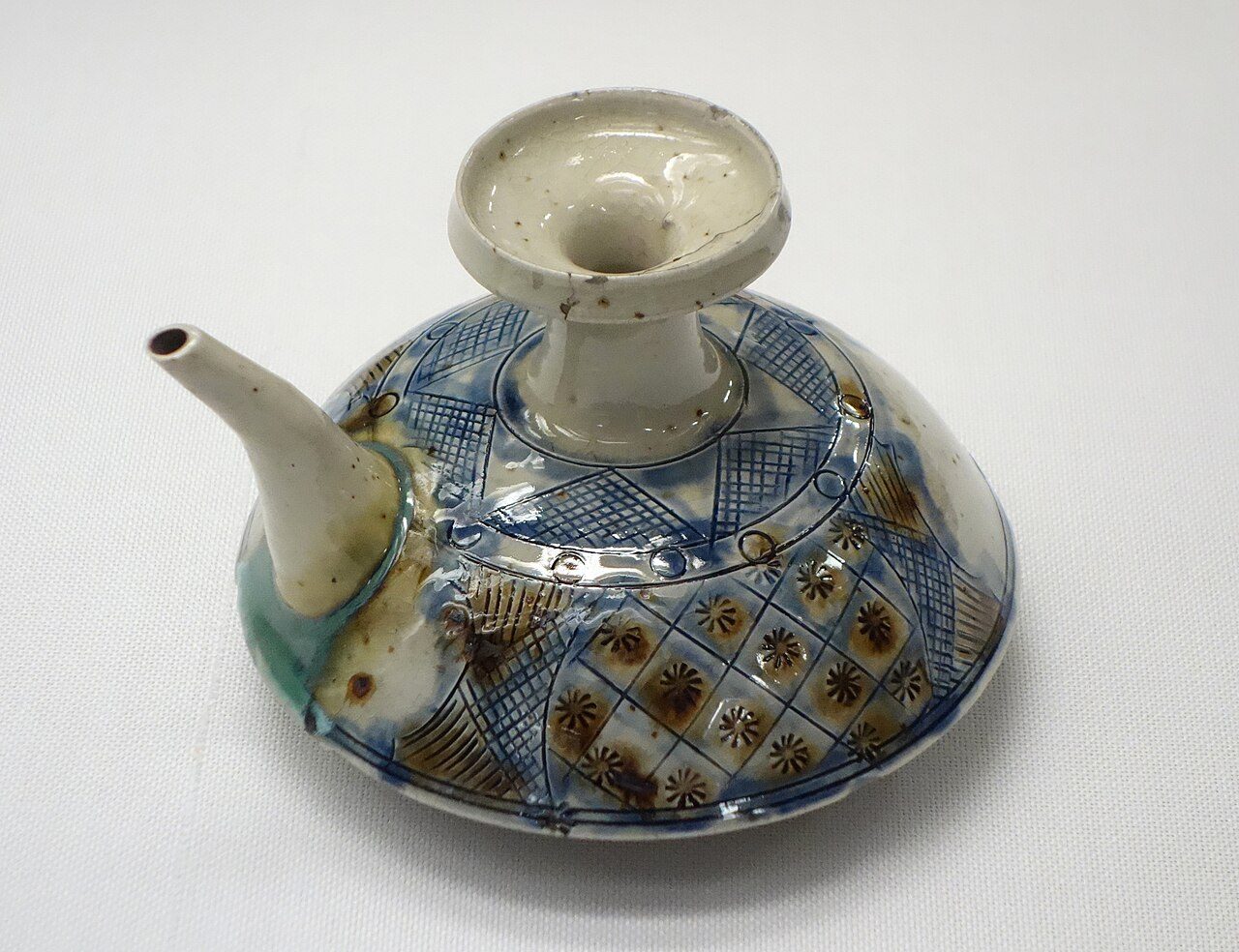
Ryukyuan pottery first appeared during the Gusuku period (c. 1100s-1400s), when it was introduced from China. Tsuboya became the centre of production in 1682 after the kilns of Chibana, Wakuta, and Takaraguchi were consolidated under the Ryukyu Kingdom government. The two sub-types of Tsuboya ware were the generally unglazed Ara-yachi and the glazed Jō-yachi. Most of the kilns had to move out of Tsuboya after the end of the Pacific War due to the smoke they produced. Production moved to the villages of Yomitan and Ōgimi, where they continued the tradition of Yachimun. In 1954, Jirō Kinjō, a potter from Tsuboya, became the first Okinawan to be named a Living National Treasure. In addition to dishes, vessels, and roof tiles, Ryukyuan pottery is especially known for the production of funerary urns, and shisa, lion-like guardians placed on rooftops and at gates to protect homes and other spaces from evil spirits. 1
The text above is adapted from the Wikipedia article “Ryukyuan pottery”, available under the Creative Commons Attribution-ShareAlike 4.0 licence. 1
Ryukyuan pottery is pottery made on the Ryukyu Islands, according to the structured record cited below. This entry was generated automatically from that record and has not yet been reviewed by a person familiar with the tradition. 2
The source record links this tradition to 2 external registers, which can be verified through the citation. 2