The tradition & historical record
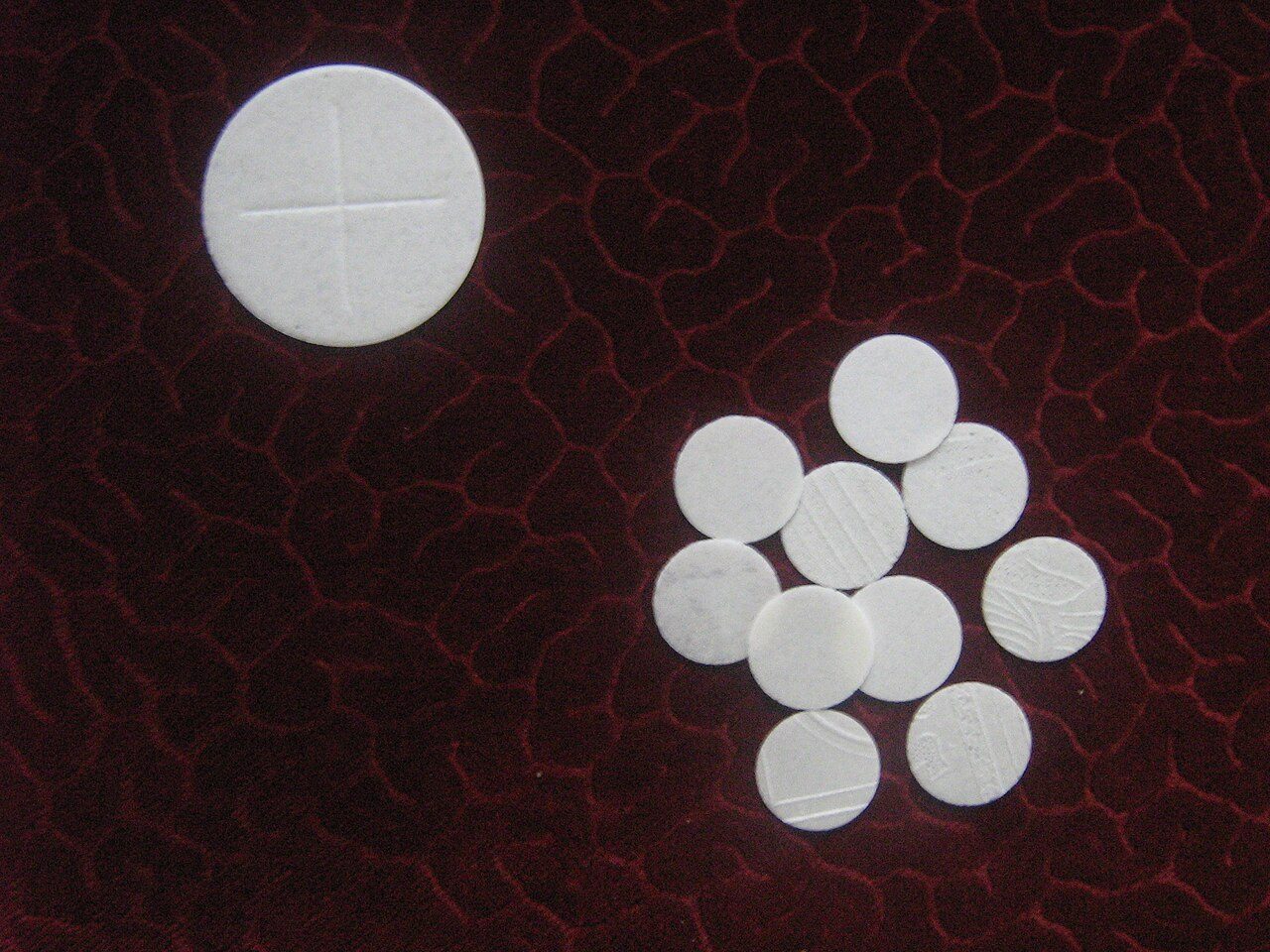
3 min read · 2 sourcesSacramental bread, also called Communion bread, Communion wafer, Sacred host, Eucharistic bread, the Lamb or simply the host (Latin: hostia, lit. 'sacrificial victim'), is the bread used in the Christian ritual of the Eucharist and the body of Christ. Along with sacramental wine, it is one of two elements of the Eucharist. The bread may be either leavened or unleavened, depending on tradition. Catholic theology generally teaches that at the Words of Institution the bread's substance is changed into the Body of Christ, a process known as transubstantiation. Conversely, Eastern Christian theology generally views the epiclesis as the point at which the change occurs. 1
Etymology of host
The word host is derived from the Latin hostia, which means 'sacrificial victim'. The term can be used to describe the bread both before and after consecration, although it is more correct to use it after consecration. 1
Eastern traditions
Many Eastern-rite churches use leavened bread for the Eucharist. Thus, the sacramental bread is the Resurrected Christ. The host, known as prosphorá or a πρόσφορον (prósphoron, 'offering') may be made out of only four ingredients: fine (white) wheat flour, pure water, yeast, and salt. Sometimes holy water will be either sprinkled into the dough or on the kneading trough at the beginning of the process. 1
Armenian rite
Because leaven is symbolic of sin, the Armenian Catholic Church and the Armenian Apostolic Orthodox Church traditionally offer unleavened bread (although it is distinctively different from the kind used by the Catholic Church) to symbolize the sinlessness of Christ. 1
Eastern Orthodox Churches
The baking may only be performed by a believing Orthodox Christian in good standing, having preferably been recently to Confession, and is accompanied by prayer and fasting. Before baking, each loaf is formed by placing two disks of dough, one on top of the other, and stamping it with a special liturgical seal. The prosphora should be fresh and not stale or moldy when presented at the altar for use in the Divine Liturgy. Often several prosphora will be baked and offered by the faithful, and the priest chooses the best one for the Lamb (Host) that will be consecrated. The remaining loaves are blessed and offered back to the congregation after the end of the Divine Liturgy (Eucharist); this bread is called the antidoron (αντίδωρον, antídōron), i.e. a 'gift returned', or 'in place of the gifts'. 1
Western traditions
A host is a portion of bread used for Holy Communion in many Christian churches. In Western Christianity the host is often thin, round, unleavened hosts. 1
The text above is adapted from the Wikipedia article “Sacramental bread”, available under the Creative Commons Attribution-ShareAlike 4.0 licence. 1
sacramental bread is communion bread used in the Lord's Supper, according to the structured record cited below. This entry was generated automatically from that record and has not yet been reviewed by a person familiar with the tradition. 2
The source record links this tradition to 17 external registers, which can be verified through the citation. 2