The tradition & historical record
2 min read · 2 sourcesSampot chang samluy (Khmer: សំពត់ចងសម្លុយ [sɑmpɔt cɑːŋ sɑmluj]) is a skirt-style garment that's wrapped around the lower body and secured at the waist. The garment is usually draped. 1
Etymology
Sampot សំពត់ (/sɑmpʊət/), a long, rectangular cloth worn around the lower body; chang ចង (/cɑɑŋ/) refers to cloth that’s bundled, and samluy សម្លុយ (pronounced sam-luy) meaning "to wear a skirt with the hem down;" "samluy, the opposite of tying in a knot (chong kben)," and "that which is worn down, a skirt that is worn down." 1
History
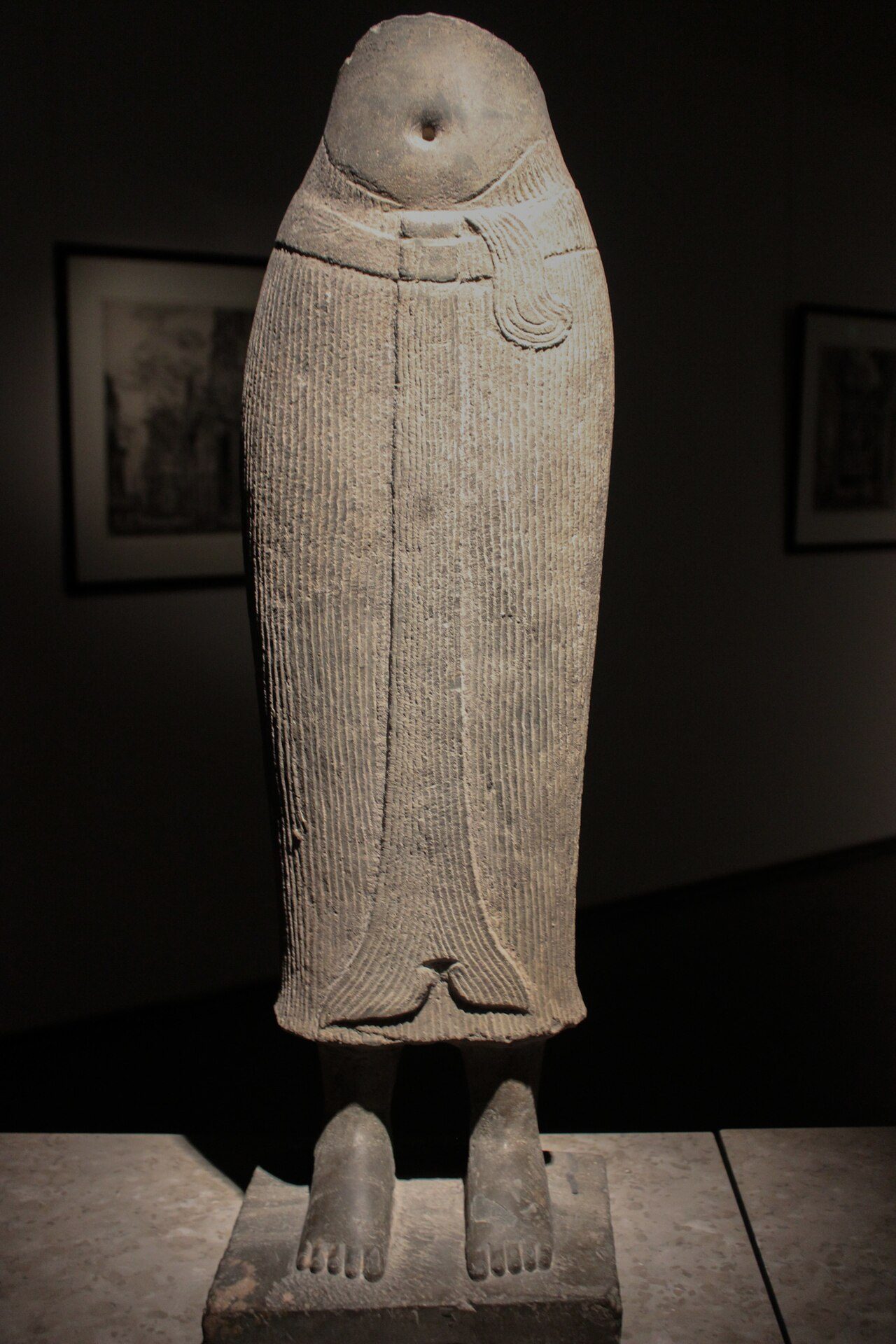
Like chang kben, chang samluy goes back to Funan and is present in ancient Khmer sculpture and carvings. Whereas both male and female figures are depicted wearing chang samluy, the overwhelming majority are seen on females. Today the samluy, a thinner sampot than that of the chong kben, is worn mostly by women. 1
Styles
One fashion of sampot chang samluy involves the textile sarabap (also charobab), a brocaded silk with gold and silver thread worn by Khmer ballerinas, royalty, and for formal occasions. Female roles in Khmer ballet, as well as brides on their wedding day, may wear sampot sarabap ka'at kbal neak (“folded like the head of naga),” referring to how the draped bundled of folded pleats look like a naga’s head. Another fashion of wearing sampot chang samluy is sampot bot, which translates to "folded skirt." This refers to the long, flat fold along the entire length on the side where the straightened and fitted sampot is secured, instead of the traditional practice of knotting the draped version of the garment in front. This practice may have been a response to the West's influence on Cambodian fashion. This style of chang samluy is typical among civil servants, and the silk variety may be worn for ceremonies. 1
The text above is adapted from the Wikipedia article “Sampot chang samluy”, available under the Creative Commons Attribution-ShareAlike 4.0 licence. 1
Sampot chang samloy is Cambodian tube garment, according to the structured record cited below. This entry was generated automatically from that record and has not yet been reviewed by a person familiar with the tradition. 2