The tradition & historical record
6 min read · 2 sourcesA sash is a large and usually colorful ribbon or band of material worn around the human body, either draping from one shoulder to the opposing hip and back up, or else encircling the waist. The sash around the waist may be worn in daily attire, but the sash from shoulder to hip is typically only worn on ceremonial occasions. Ceremonial sashes are also found in a V-shaped format, draping straight from both shoulders down, intersecting and forming an angle over the chest or abdomen. 1
Word origin
The word "sash" entered the English language in the 1590s, originally used to refer to a way of "Oriental dress" by winding a strip of silk or fine linen around the head to look like a turban. It comes from Arabic word shash (شاش) which means gauze or muslin cloth. An archaic version of the English word was a perfect homonym of the Arabic. The more general use of "sash" to refer to a cloth strip or scarf tied around the waist or draped over the shoulder for ornamental purposes is recorded by the 1680s. 1
Old Europe
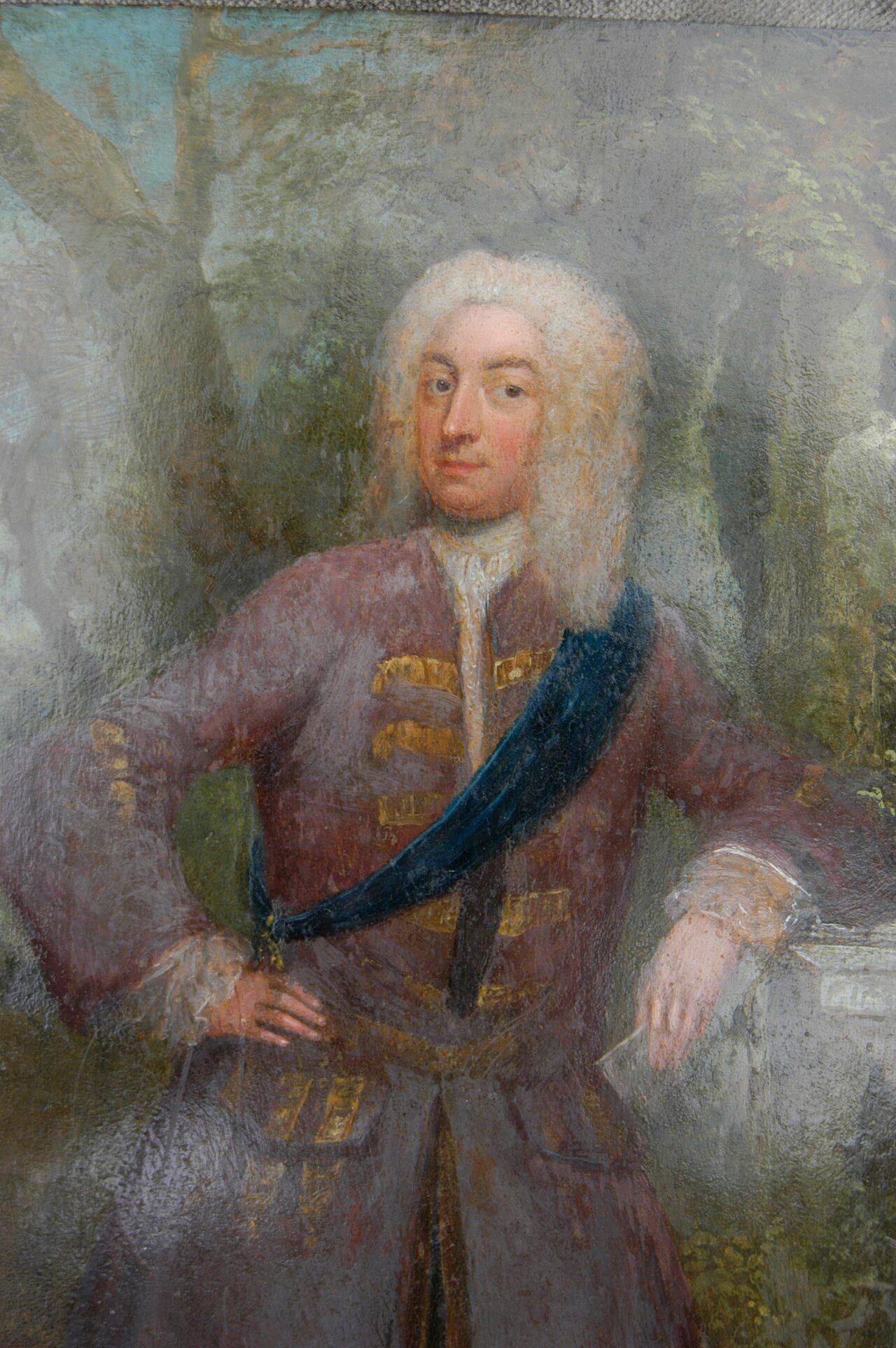
In the mid-and late-16th century waist and shoulder sashes came up as a mark of (high) military rank or to show personal affection to a political party or nation. During the Thirty Years' War the distinctive sash colour of the House of Habsburg was red while their French opponents wore white or blue sashes and the Swedish voted for blue sashes. Beginning from the end of the 17th century, commissioned officers in the British Army wore waist sashes of crimson silk. The original officer's sash was six inches wide by eighty-eight inches long with a ten-inch (gold or silver) fringe. It was large enough to form a hammock stretcher to carry a wounded officer. From about 1730 to 1768, the officer's sash was worn baudericke wise, i.e. from the right shoulder to the left hip, and afterwards around the waist again. Sergeants were permitted sashes of crimson wool, with a single stripe of facing colour following the clothing regulations of 1727. Whereas it remained vague whether the sash was to be worn over the shoulder or around the waist, it was clarified in 1747 that sergeants had to wear their sashes around the waist. From 1768, the sergeant's waist sash had one (until 1825) resp. three (until 1845) stripes of facing colour; in regiments with red or purple facings the sergeant's sash had white stripes or remained plain crimson. Until 1914 waist-sashes in distinctive national colours were worn as a peace-time mark of rank by officers of the Imperial German, Austro-Hungarian and Russian armies, amongst others. The barrel sash is a type of belt traditionally worn by hussars. 1
Modern Europe
Since then sashes have been part of formal military attire (compare the sword belt known as a baldric, and the cummerbund). Thus several other modern armies retain waist-sashes for wear by officers in ceremonial uniforms. These include the armies of Norway (crimson sashes), Sweden (yellow and blue), Greece (light blue and white), the Netherlands (orange), Portugal (crimson) and Spain (red and gold for generals, light blue for general staff and crimson for infantry officers). The Spanish Regulares (infantry descended from colonial regiments formerly recruited in Spanish Morocco) retain their historic waist-sashes for all ranks in colours that vary according to the unit. Sashes are a distinctive feature of some regiments of the modern French Army for parade dress. They are worn around the waist in the old Algerian or Zouave style ("ceinture de laine"). Traditionally these sashes were more than 4 m (13 ft) in length and 40 cm (16 in) in width. In the historic French Army of Africa, sashes were worn around the waist in either blue for European or red for indigenous troops. 1
(British) Commonwealth of Nations
The modern British Army retains a scarlet sash for wear in certain orders of dress by sergeants and above serving in infantry regiments, over the right shoulder to the left hip. A similar crimson silk net sash is worn around the waist by officers of the Foot Guards in scarlet full dress and officers of line infantry in dark blue "Number 1" dress. Additionally, officers (and warrant officers prior to the amalgamation) of the Royal Regiment of Scotland wear a crimson sash from the left shoulder to the right hip. These same practices are followed in some Commonwealth armies. The present-day armies of India and Pakistan both make extensive use of waist-sashes for ceremonial wear. The colours vary widely according to regiment or branch and match those of the turbans where worn. Typically two or more colours are incorporated in the sash, in vertical stripes. One end hangs loose at the side and may have an ornamental fringe. The practice of wearing distinctive regimental sashes or cummerbunds goes back to the late nineteenth century. Cross-belts resembling sashes are worn by drum majors in the Dutch, British and some Commonwealth armies. These carry scrolls bearing the names of battle honours. 1
United States of America
In the United States, George Washington, who served as commander-in-chief of the Continental Army during the American Revolutionary War and later served as the first President of the United States, was noted for wearing a blue ribbed sash, similar to that of the British Order of the Garter, early in the war, as he had in 1775 prescribed the use of green, pink, and blue sashes to identify aides de camp, brigade-majors, brigadiers general, majors general, and the commander in chief in the absence of formal uniforms. He later gave up the sash as "unrepublican" and "pretentious for all but the highest-ranking aristocracy", according to historians. Washington is seen wearing the sash in Charles Willson Peale's 1779 painting Washington at Princeton. Sashes continued to be used in the United States Army for sergeants and officers. In 1821, the red sashes (crimson for officers) were limited to first sergeants and above. In 1872, the sashes were abolished by all ranks, but generals continued to wear their buff silk sashes in full dress until 1917. Waist sashes (in combination with a sabre) in the old style are still worn by the officers and senior NCOs of the Commander-in-Chief's Guard of the 3rd U.S. Infantry Regiment (The Old Guard) as well by the West Point Band drum major along with the West Point cadet officers. The drum major of the Old Guard Fife and Drum Corps also still wears a waist sash, but no sidearms. 1
At the time of the American Civil War (1861–65), generals of the regular US Army wore silk sashes in buff. Union Officers were authorized silk sashes in crimson (medical officers: emerald) while red woollen sashes were entitled to senior non-commissioned officers (Army Regulations of 1861). 1
The text above is adapted from the Wikipedia article “Sash”, available under the Creative Commons Attribution-ShareAlike 4.0 licence. 1
sash is band or strip of fabric wrapped around the waist or worn over the shoulder or hips and usually tied, according to the structured record cited below. This entry was generated automatically from that record and has not yet been reviewed by a person familiar with the tradition. 2
The source record links this tradition to 16 external registers, which can be verified through the citation. 2