The tradition & historical record
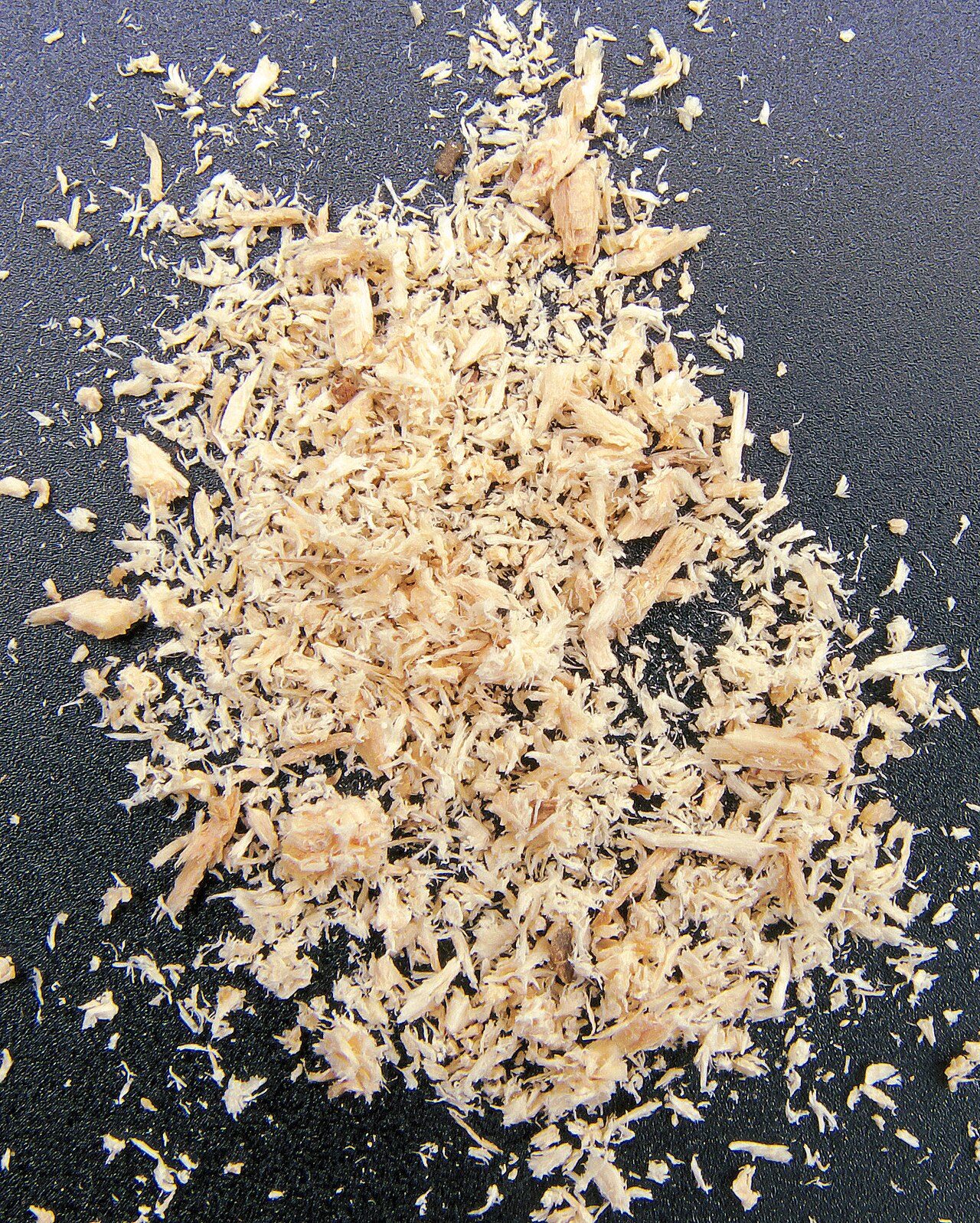
5 min read · 2 sourcesSawdust (or wood dust) is a by-product or waste product of woodworking operations such as sawing, sanding, milling and routing. It is composed of very small chips of wood. These operations can be performed by woodworking machinery, portable power tools or by use of hand tools. In some manufacturing industries it can be a significant fire hazard and source of occupational dust exposure. Sawdust, as particulates, is the main component of particleboard. Its health hazards is a research subject in the field of occupational safety and health, and study of ventilation happens in indoor air quality engineering. Sawdust is an IARC group 1 Carcinogen. Wood dust can cause cancer. Frequent exposure to wood dust can cause cancers of the nose, throat, and sinuses. Exposure to wood dust can result in coughing, sneezing, irritation, shortness of breath, dryness and sore throat, rhinitis, conjunctivitis, dermatitis, allergic contact dermatitis, decreased lung capacity, asthma, hypersensitivity pneumonitis, headaches, chills, sweating, nausea, cramps, loss of weight, giddiness and irregular heartbeat. 1
Formation
Two waste products, dust and chips, form at the working surface during woodworking operations such as sawing, milling and sanding. These operations both shatter lignified wood cells and break out whole cells and groups of cells. Shattering of wood cells creates dust, while breaking out of whole groups of wood cells creates chips. The more cell-shattering that occurs, the finer the dust particles that are produced. For example, sawing and milling are mixed cell shattering and chip forming processes, whereas sanding is almost exclusively cell shattering. 1
Uses
A major use of sawdust is for particleboard; coarse sawdust may be used for wood pulp. Sawdust has a variety of other practical uses, including serving as a mulch, as an alternative to clay cat litter, or as a fuel. Until the advent of refrigeration, it was often used in icehouses to keep ice frozen during the summer. It has been used in artistic displays, and as scatter in miniature railroad and other models. It is also sometimes used to soak up liquid spills, allowing the spill to be easily collected or swept aside. As such, it was formerly common on barroom floors. It is used to make Cutler's resin. Mixed with water and frozen, it forms pykrete, a slow-melting, much stronger form of ice. Sawdust is used in the manufacture of charcoal briquettes. The claim for invention of the first commercial charcoal briquettes goes to Henry Ford who created them from the wood scraps and sawdust produced by his automobile factory. Research has examined also the use of wood shavings as a partial volume replacement for fine aggregates in cement mortar. 1
Food
Cellulose, fibre starch that is indigestible to humans, and a filler in some low calorie foods, can be and is made from sawdust, as well as from other plant sources. While there is no documentation for the persistent rumor, based upon Upton Sinclair's novel The Jungle, that sawdust was used as a filler in sausage, cellulose derived from sawdust was and is used for sausage casings. Sawdust-derived cellulose has also been used as a filler in bread. When cereals were scarce, sawdust was sometimes an ingredient in kommissbrot. Auschwitz concentration camp survivor, Dr. Miklós Nyiszli, reports in Auschwitz: A Doctor's Eyewitness Account that the subaltern medical staff, who served Dr. Josef Mengele, subsisted on "bread made from wild chestnuts sprinkled with sawdust". 1
Health hazards
Airborne sawdust and sawdust accumulations present a number of health and safety hazards. Sanding, routing, shaping and cutting of wood releases wood particles into the air. They become airborne and inhaled. Wood dust can also land on surfaces such as tables and floors and become airborne again when disturbed. Handling of wood chip mulch and compost, especially when dry, can result in wood dust being inhaled, too. The dust itself causes coughing, sneezing or irritation. Shortness of breath, dryness and sore throat, runny nose (rhinitis), and inflammation of the eye's mucous membranes (conjunctivitis) may also present. Dermatitis with dry, itchy, red, or blister skin is common. It may be due to chemicals' presence in the wood. Allergic contact dermatitis is also possible. Effects of the respiratory system include "decreased lung capacity, and allergic reactions in the lungs such as hypersensitivity pneumonitis (inflammation of the walls of the air sacs and small airways), and occupational asthma. Hypersensitivity pneumonitis may develop within hours or days following exposure and is often confused with cold or flu symptoms because it begins with headaches, chills, sweating, nausea, breathlessness, etc. Tightness of the chest and breathlessness can be severe" and get worse if exposure continues. The moulds that grow on the wood may also cause some of the hypersensitivity pneumonitis conditions. "Western red cedar is a wood that has a clear association with the development of asthma." Different species of wood have different toxic effects. 1
Explosions and fire
Sawdust is flammable and accumulations provide a ready source of fuel. Airborne sawdust can be ignited by sparks or even heat accumulation and result in dust fire or explosions. 1
The text above is adapted from the Wikipedia article “Sawdust”, available under the Creative Commons Attribution-ShareAlike 4.0 licence. 1
sawdust is loose matter made of finely divided wood particles, according to the structured record cited below. This entry was generated automatically from that record and has not yet been reviewed by a person familiar with the tradition. 2
The source record links this tradition to 20 external registers, which can be verified through the citation. 2