The tradition & historical record
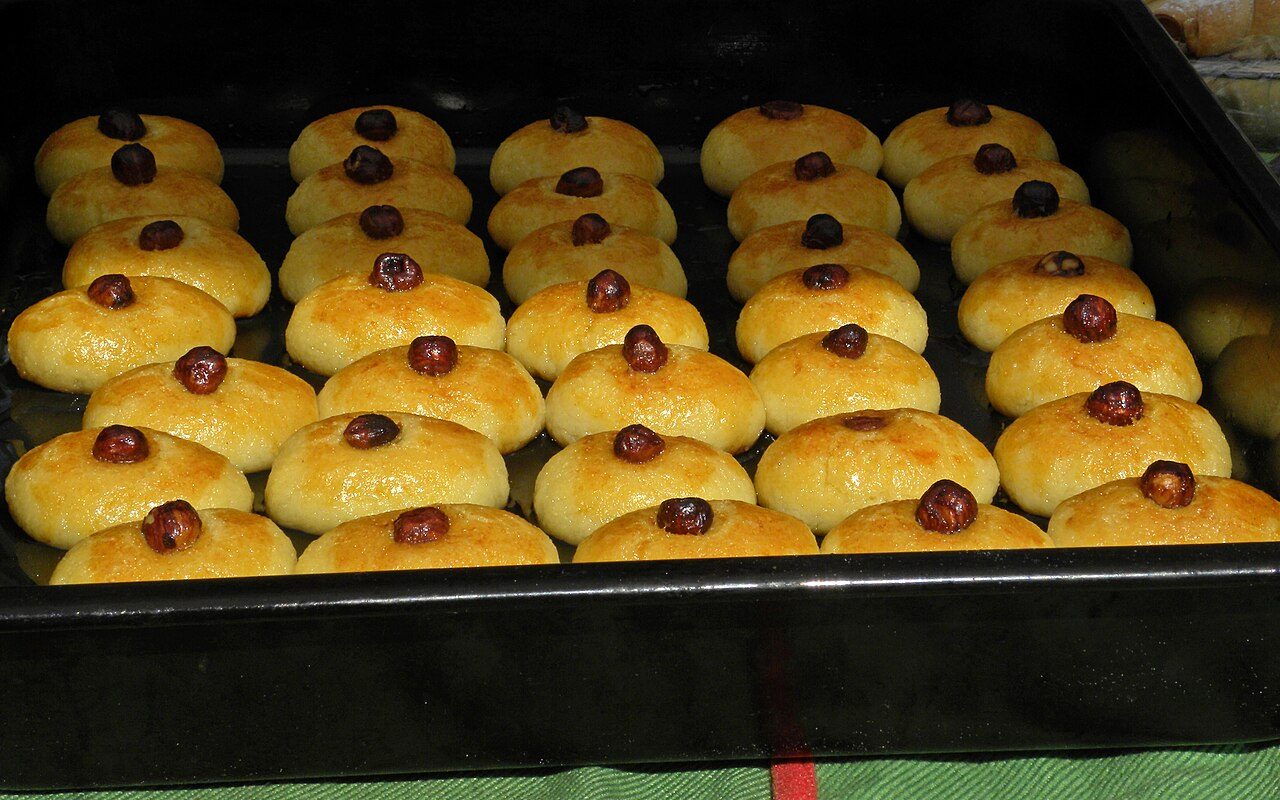
1 min read · 2 sourcesŞekerpare (lit. 'piece of sugar', pronounced sheh-kehr-PAH-reh) is a common dessert in Turkish cuisine. It is a semolina cookie that is topped with nuts and soaked in sugar syrup. It is most popular during Ramadan. The dessert is also popular in Egypt and the Levant as rumūsh al-sitt (Arabic: رموش الست, lit. 'lady's eyelashes'). 1
Etymology
The name Ottoman Turkish Şekerpare is a compound word from the Arabic and Persian words for "sweet piece". 1
History
Şekerpare is mentioned as early as the second half of the 19th century in historical sources as a syrupy dessert similar to modern-day şekerpare, made with butter, flour, and lye water. According to historian Mary Isin, it was a dessert found on the iftar tables of the elite. 1
The text above is adapted from the Wikipedia article “Şekerpare”, available under the Creative Commons Attribution-ShareAlike 4.0 licence. 1
şekerpare is Turkish dessert, according to the structured record cited below. This entry was generated automatically from that record and has not yet been reviewed by a person familiar with the tradition. 2
The source record links this tradition to 2 external registers, which can be verified through the citation. 2