The tradition & historical record
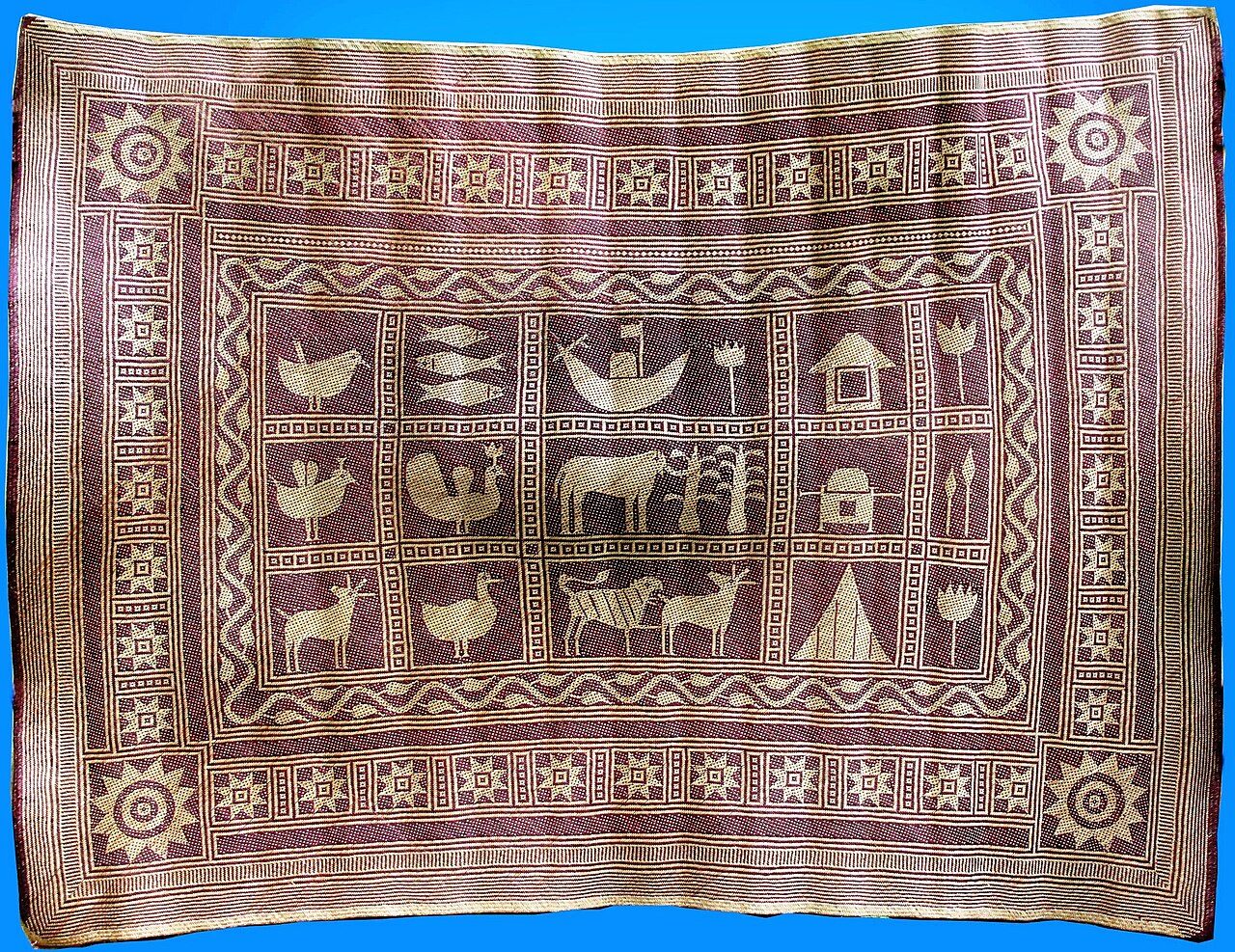
2 min read · 2 sourcesShitalpati (Bengali: শীতল পাটি also called sital pati or sittal pati is a kind of mat which feels cold by nature. It is made from murta plants (Schumannianthus dichotomus). It is usually used in Bangladesh and the Indian state of West Bengal. Mats with decorative designs are called nakshi pati. Sitalpati are made from cane or from murta plants, known in different places as mostak, patipata, patibet and paitara. The murta plant grows around water bodies in Sylhet, Sunamganj, Barisal, Tangail, Comilla, Noakhali, Feni and Chittagong. Nakshi pati made of murta plants is available only in Sylhet and Noakhali districts of Bangladesh. In India, Sitalpati is made in the northern Cooch Behar district of the state of West Bengal. Among the areas of Cooch Behar where Sitalpatis are woven, Sagareswar, Ghugumari and Pashnadanga are important centres. 1
Recognition
UNESCO has recognised the Traditional Art of Shital Pati weaving of Sylhet and included it in the Representative List of the Intangible Cultural Heritage of Humanity. 1
The text above is adapted from the Wikipedia article “Shital Pati”, available under the Creative Commons Attribution-ShareAlike 4.0 licence. 1
Shital Pati is Bangladeshi handicraft, according to the structured record cited below. This entry was generated automatically from that record and has not yet been reviewed by a person familiar with the tradition. 2
The source record links this tradition to 1 external register, which can be verified through the citation. 2