The tradition & historical record
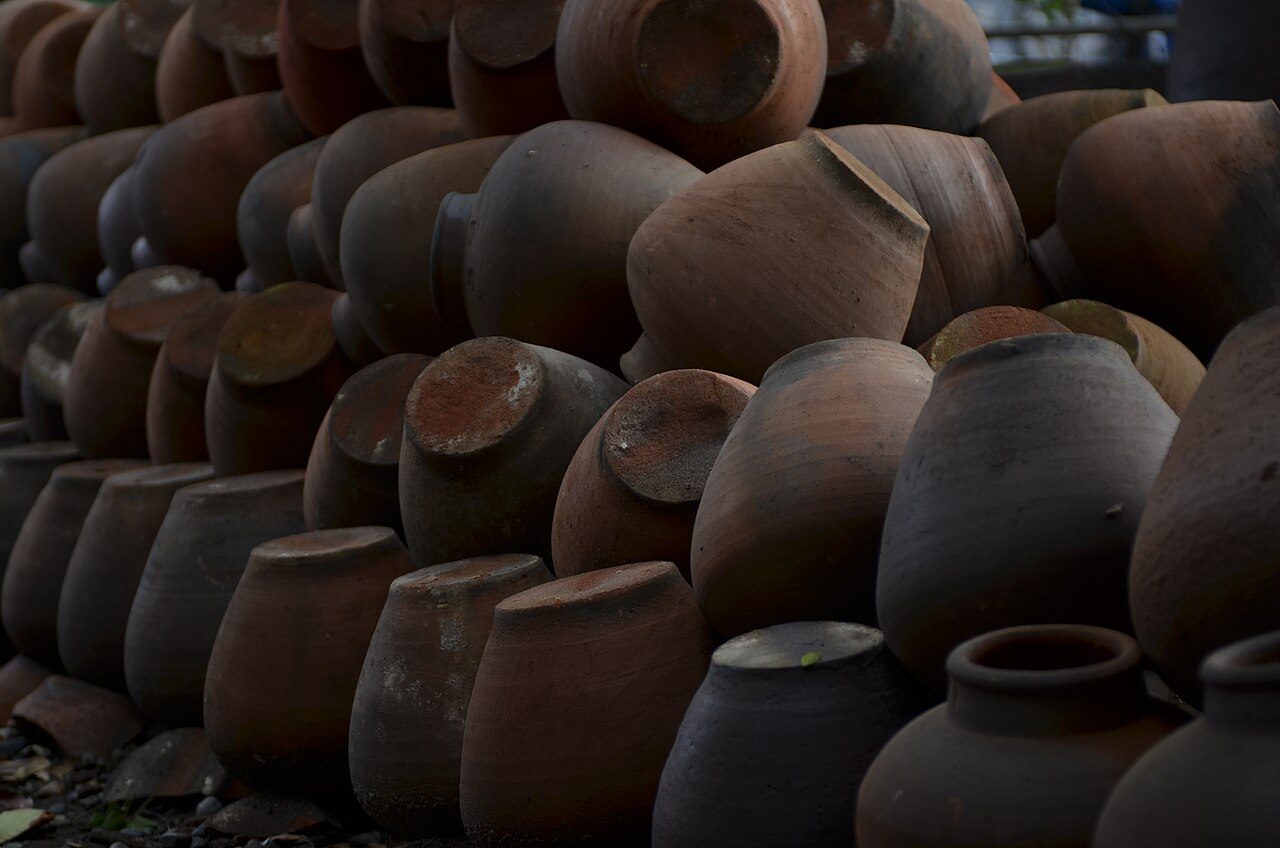
3 min read · 2 sourcesTapáyan or tempayan (also known as balanga, belanga, or bangâ) are large wide-mouthed earthenware or stoneware jars found in various Austronesian cultures in island Southeast Asia. Their various functions include fermenting rice (tapai), fermenting vinegar or alcoholic beverages, storing food and water, cooking, and burial of the deceased. The term tapayan also includes the imported martaban stoneware (Dutch: martavanen), originally from kilns in Southern China and Indochina. These were used primarily as storage jars for foodstuffs and valuable trade goods during ship voyages, but were highly valued as trade goods themselves. They became heirlooms and symbols of wealth and status among various indigenous cultures in the islands of Southeast Asia. 1
Etymology
Tapayan is derived from Proto-Malayo-Polynesian *tapay-an which refers to large earthen jars originally used to ferment rice wine (tapai). In modern Austronesian languages, derivatives include tapayan (Tagalog, Ilocano and various Visayan languages), tapj-an (Ibaloi), and tapáy-an (Hanunó'o) in the Philippines; and tepayan (Iban) and tempayan (Javanese and Malay) in Brunei, Malaysia, and Indonesia. Balanga is derived from Proto-Philippine *balangaw ('water jar'). Cognates include balanga and banga (Tagalog, Ilocano, Pangasinan, most Visayan languages), vangaq (Ivatan), byanga (Kalinga), and balangaw (Kapampangan) in the Philippines; and balanga, belanga, or blanga in Indonesia and Malaysia. 1
Description
Tapayan jars range in size from 30 cm (12 in) to larger than 100 cm (3.3 ft). They typically have bulbous "shoulders" and flat unadorned bases. Horizontal (lug) or vertical handles may be present, to a maximum of eight. The mouth of the jars were typically wide, but jars used for storing wine can have relatively smaller mouths and were tightly covered to prevent the alcohol from evaporating. Early native tapayan were mostly unglazed, while later tapayan and imported martaban were glazed (usually on the outside) and were thus more suited for storing liquids. 1
Philippines
Tapayan in the Philippines are most commonly used for water storage, fermentation, and cooking. Tapayan was distinguished from the much smaller cooking clay pot (palayok or kulon). Tapayan are also known as kalamba or angang in Tagalog and Itawis. Tapayan used exclusively for storing water are sometimes called banga or balanga, to distinguish them from other tapayan. Banga were an essential part of traditional Filipino kitchens and were normally kept in the banggera, the kitchen counter made of slatted bamboo that extends from the outer walls of the house. Specialized tapayan used for fermenting food products, with thicker walls and an airtight cover, are also distinguished as burnay in Ilocano. 1
Indonesia, Malaysia, and Brunei
Tempayan jars (also known as tempajan, kendi, balanga, belanga, or blanga) in Indonesia, Malaysia, and Brunei were also used primarily for water storage, fermentation, and cooking. 1
Jar burial
Tapayan as well as other more specialized urns, are also used as funerary jars in ancient Austronesian cultures. They are used to store the skeletal remains of deceased people. The oldest example of which is the ornate Manunggul Jar, dated 890-710 BCE, from the Tabon Caves of Palawan, Philippines. 1
The text above is adapted from the Wikipedia article “Tapayan”, available under the Creative Commons Attribution-ShareAlike 4.0 licence. 1
Tapayan is earthenware or stoneware jars, according to the structured record cited below. This entry was generated automatically from that record and has not yet been reviewed by a person familiar with the tradition. 2
The source record links this tradition to 1 external register, which can be verified through the citation. 2