The tradition & historical record
5 min read · 2 sourcesA textile is any of various fibre-based materials, including fibres, yarns, filaments, threads, and different types of fabric. Originally, textiles were woven; however, weaving is not the only manufacturing method, and many other methods were later developed to form textile structures based on their intended use. Knitting and non-woven are other popular types of fabric manufacturing. In the contemporary world, textiles satisfy the material needs for versatile applications, from simple daily clothing to bulletproof jackets, spacesuits, doctor's gowns and technical applications like geotextiles. Textiles are divided into two groups: consumer textiles for domestic purposes and technical textiles. In consumer textiles, aesthetics and comfort are the most important factors, while in technical textiles, functional properties are the priority. The durability of textiles is an important property, with common cotton or blend garments (such as t-shirts) able to last twenty years or more with regular use and care. Geotextiles, industrial textiles, medical textiles, and many other areas are examples of technical textiles, whereas clothing and furnishings are examples of consumer textiles. Each component of a textile product, including fibre, yarn, fabric, processing, and finishing, affects the final product. 1
Textile
The word 'textile' comes from the Latin adjective textilis, meaning 'woven', which itself stems from textus, the past participle of the verb texere, 'to weave'. Originally applied to woven fabrics, the term "textiles" is now used to encompass a diverse range of materials, including fibres, yarns, and fabrics, as well as other related items. 1
Fabric
A "fabric" is defined as any thin, flexible material made from yarn, directly from fibres, polymeric film, foam, or any combination of these techniques. Fabric has a broader application than cloth. Fabric is synonymous with cloth, material, goods, or piece goods. The word "fabric" also derives from Latin, with roots in the Proto-Indo-European language. Stemming most recently from the Middle French fabrique 'building', and earlier from the Latin fabrica 'workshop; an art, trade; a skillful production, structure, fabric', the noun fabrica stems from the Latin faber 'artisan who works in hard materials', which itself is derived from the Proto-Indo-European dhabh-, meaning "to fit together". 1
Cloth
Materials that are woven, knitted, tufted, or knotted from yarns are referred to as cloth, while wallpaper, plastic upholstery products, carpets, and nonwoven materials are examples of fabrics. Cloth is a flexible substance typically created through the processes of weaving, felting, or knitting using natural or synthetic materials. The word 'cloth' derives from the Old English clað, meaning "a cloth, woven, or felted material to wrap around one's body', from the Proto-Germanic klaithaz, similar to the Old Frisian klath, the Middle Dutch cleet, the Middle High German kleit and the German kleid, all meaning 'garment'. 1
History
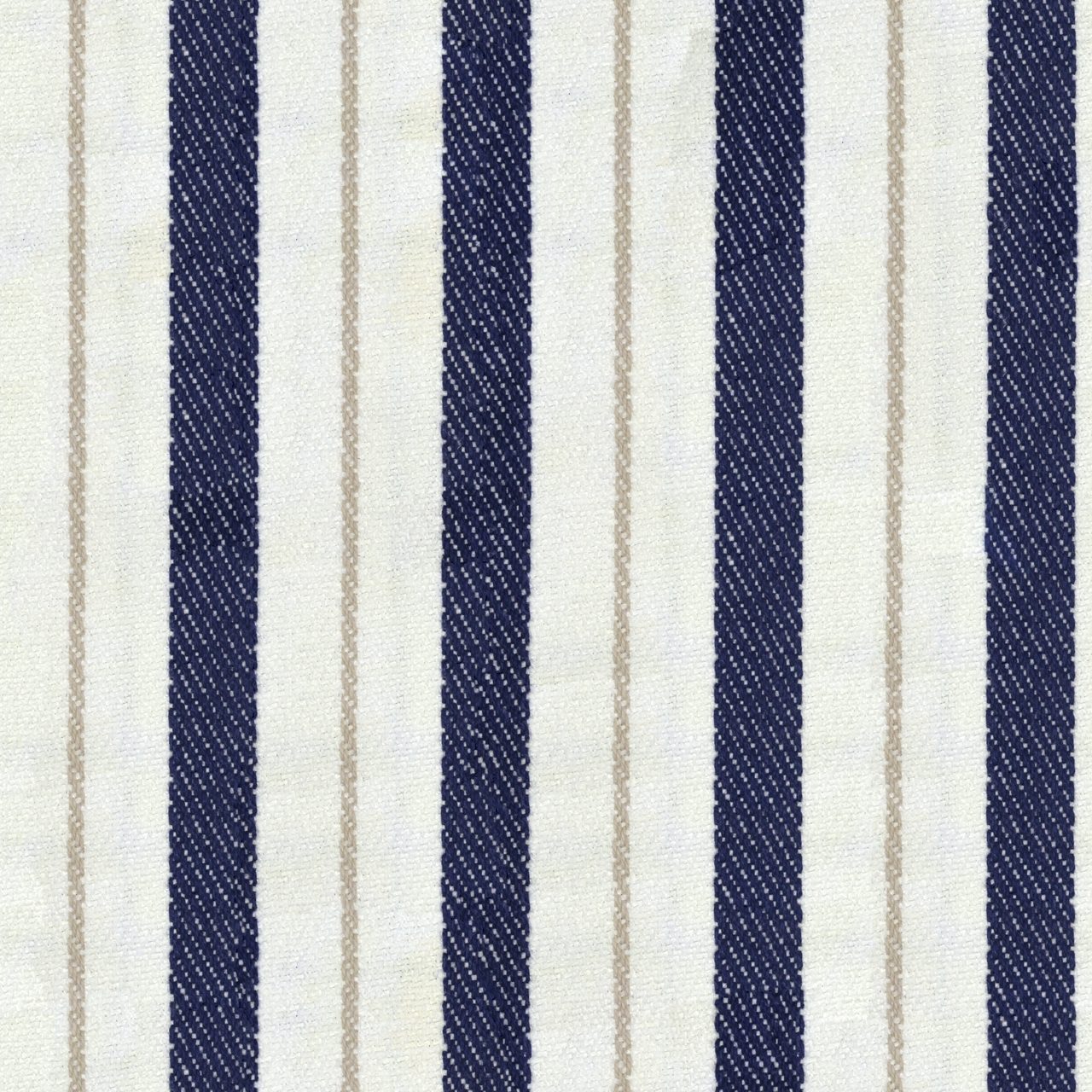
Textiles themselves are too fragile to survive across millennia; the tools used for spinning and weaving make up most of the prehistoric evidence for textile work. The earliest tool for spinning was the spindle, to which a whorl was eventually added. The weight of the whorl improved the thickness and twist of the spun thread. Later, the spinning wheel was invented. Historians are unsure where; some say China, others India. The precursors of today's textiles include leaves, bark, fur pelts, and felted cloths. The Banton Burial Cloth, the oldest existing example of warp ikat in Southeast Asia, is displayed at the National Museum of the Philippines. The cloth was most likely made by the native Asian people of northwest Romblon. The first clothes, worn at least 70,000 years ago and perhaps much earlier, were probably made of animal skins and helped protect early humans from the elements. At some point, people learned to weave plant fibres into textiles. The discovery of dyed flax fibres in a cave in the Republic of Georgia dated to 34,000 BCE suggests that textile-like materials were made as early as the Paleolithic era. The speed and scale of textile production have been altered almost beyond recognition by industrialization and the introduction of modern manufacturing techniques. However, for the main types of textiles, plain weave, twill, or satin weave, there is little difference between the ancient and modern methods. 1
Textile industry
The textile industry grew out of art and craft and was kept going by craft guilds. In the 18th and 19th centuries, during the Industrial Revolution, it became increasingly mechanized. In 1765, when a machine for spinning wool or cotton called the spinning jenny was invented in the United Kingdom, textile production became the first economic activity to be industrialized. In the 20th century, science and technology were driving forces. The textile industry exhibits inherent dynamism, influenced by a multitude of transformative changes and innovations within the domain. Textile operations can experience ramifications arising from shifts in international trade policies, evolving fashion trends, evolving customer preferences, variations in production costs and methodologies, adherence to safety and environmental regulations, as well as advancements in research and development. The textile and garment industries exert a significant impact on the economic systems of numerous countries engaged in textile production. 1
The text above is adapted from the Wikipedia article “Textile”, available under the Creative Commons Attribution-ShareAlike 4.0 licence. 1
textile is various fiber-based materials, according to the structured record cited below. This entry was generated automatically from that record and has not yet been reviewed by a person familiar with the tradition. 2
The source record links this tradition to 68 external registers, which can be verified through the citation. 2