The tradition & historical record
3 min read · 2 sourcesThe Tales of Ensign Stål (Swedish original title: Fänrik Ståls sägner, Finnish: Vänrikki Stoolin tarinat, or year 2007 translation Vänrikki Stålin tarinat) is an epic poem written in Swedish by the Finland-Swedish author Johan Ludvig Runeberg, the national poet of Finland. It was published in two cycles, in 1848 and in 1860. The poem describes the events of the Finnish War (1808–1809) in which Sweden lost its eastern territories; these would become incorporated into the Russian Empire as the Grand Duchy of Finland. 1
Description
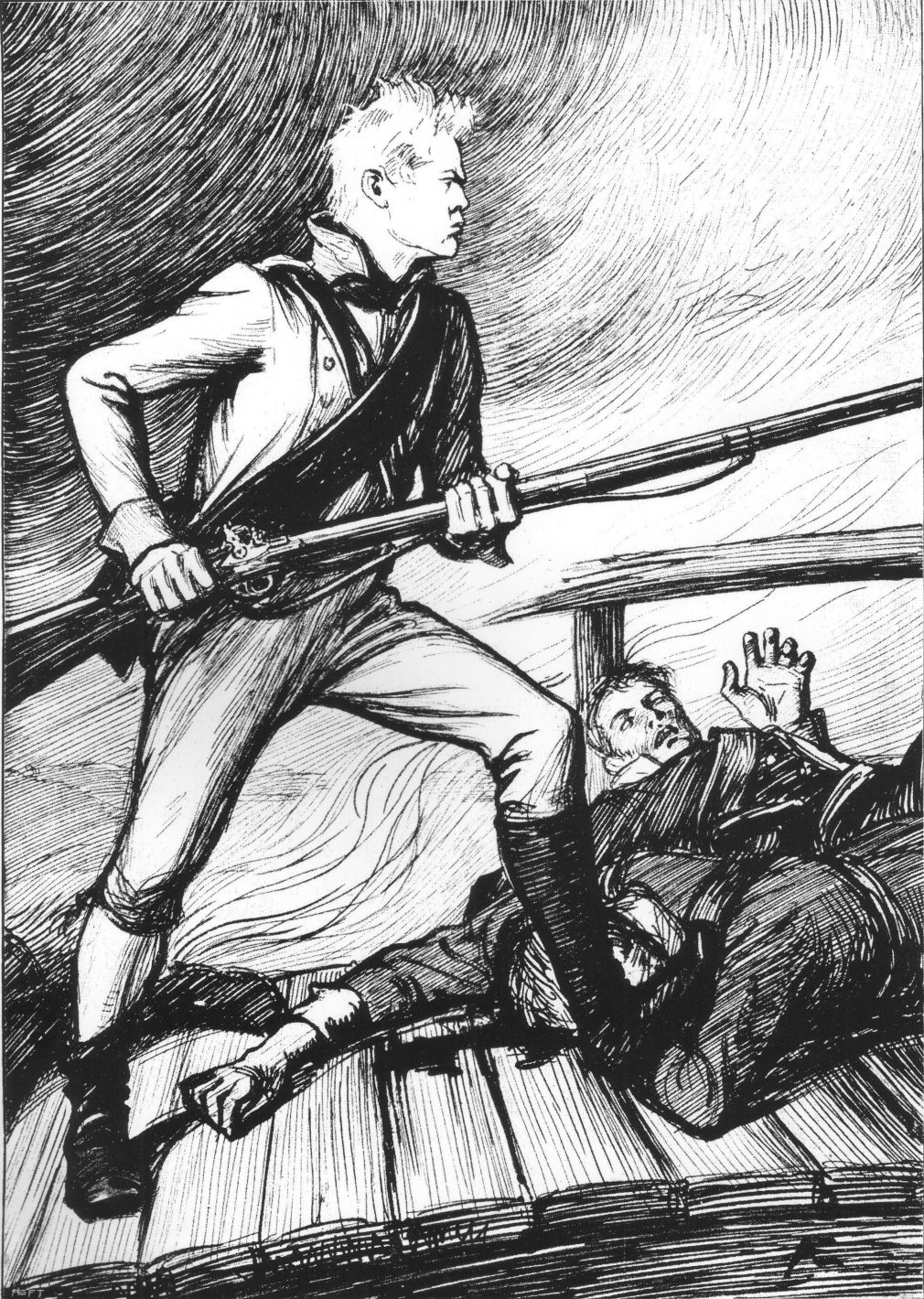
The first part of Ensign Stål was first published in the revolutionary year 1848, the second in 1860. It shaped Finnish identity and was later given out for free during the Winter War to raise a patriotic spirit. The first chapter of the poem also became the national anthem of Finland. The name of the title character, "Stål", is Swedish for steel, a typical example of a so-called "soldier's name". These were names, often consisting of simple words for traits or traits related to the military or nature, given to Swedish soldiers by their commanders, and many of Runeberg's characters have them: Dufva, Svärd and Hurtig ('pigeon', 'sword' and 'quick') are other examples. The poems of Ensign Stål feature several officers who fought in the Finnish War, including marshals Wilhelm Mauritz Klingspor and Johan August Sandels, generals Carl Nathanael af Klercker, Carl Johan Adlercreutz, and Georg Carl von Döbeln, and Colonel Otto von Fieandt. The influence of Tales of Ensign Stål is also remarkable on Finnish culture because it repeatedly lifts the common people as heroes, despite the hardship of their life. The poem "Soldatgossen" ("Boy soldier") is one that exalts the military virtues and which has been a major influence in the shaping of the legend and myth of the Finnish soldier. The narrator is a young boy, who relates the story of his family, all soldiers. They have respectively all died in the wars of Finland, fighting for their king and country. The boy is now orphan "eating stranger's bread", but he is proud of his military legacy. He cites with pride that his father was "only fifteen" when he joined the ranks. 1
The text above is adapted from the Wikipedia article “The Tales of Ensign Stål”, available under the Creative Commons Attribution-ShareAlike 4.0 licence. 1
The Tales of Ensign Stål is epic poem by Johan Ludvig Runeberg, according to the structured record cited below. This entry was generated automatically from that record and has not yet been reviewed by a person familiar with the tradition. 2
The source record links this tradition to 9 external registers, which can be verified through the citation. 2