The tradition & historical record
5 min read · 2 sourcesA wolf in sheep's clothing is an idiom from Jesus's Sermon on the Mount as narrated in the Gospel of Matthew. It warns against individuals who play a deceptive role. The gospel regards such individuals (particularly false teachers) as dangerous. Fables based on the idiom, dated no earlier than the 12th century CE, have been falsely credited to ancient Greek storyteller Aesop (620–564 BCE). The confusion arises from the similarity of themes in Aesop's Fables concerning wolves that are mistakenly trusted, with the moral that human nature eventually shows through any disguise. In the modern era, zoologists have applied the idiom to the use of aggressive mimicry by predators, whether the disguise is as the prey itself, or as a different but harmless species. 1
Origin and variants
The phrase originates in the Sermon on the Mount by Jesus recorded in the Christian New Testament: "Beware of false prophets, which come to you in sheep's clothing, but inwardly they are ravening wolves". The sermon then suggests that their true nature will be revealed by their actions ("by their fruits shall ye know them", verse 16). In the centuries following, the phrase was used many times in the Latin writings of the Church Fathers. Later, it was taken up in European vernacular literature. A Latin proverb emerged, Pelle sub agnina latitat mens saepe lupina (Under a sheep's skin often hides a wolfish mind). The story of a wolf disguised as a sheep has been counted as one of Aesop's Fables in modern times, but there is no record of a fable with this precise theme before the Middle Ages; there are earlier fables of Aesop in Greek sources to which the Gospel parable might allude. The first fable concerning a wolf that disguises itself in a sheep's skin is told by the 12th-century Greek rhetorician Nikephoros Basilakis in his Progymnasmata (rhetorical exercises). It is prefaced with the comment that "You can get into trouble by wearing a disguise" and is followed by the illustrative story: 1
A wolf once decided to change his nature by changing his appearance, and thus get plenty to eat. He put on a sheepskin and accompanied the flock to the pasture. The shepherd was fooled by the disguise. When night fell, the shepherd shut up the wolf in the fold with the rest of the sheep and as the fence was placed across the entrance, the sheepfold was securely closed off. But when the shepherd wanted a sheep for his supper, he took his knife and killed the wolf. The conclusion drawn is different from the Gospel story. 1
Artistic interpretations
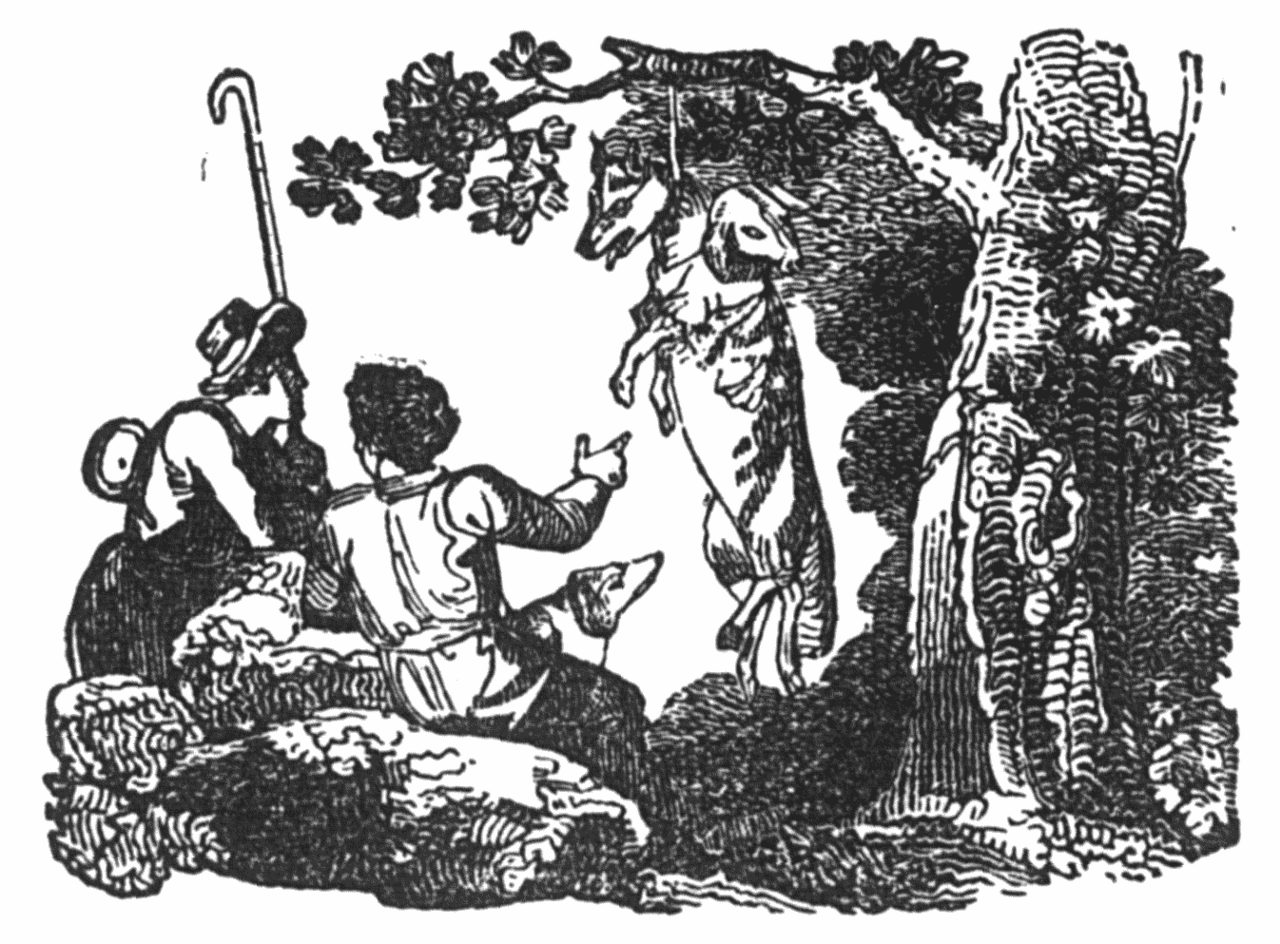
Earlier illustrations of the fable concentrated on the hanging of the wolf. More recently, the emphasis has been on the disguise. In France, the theme of the wolf disguised in shepherd's clothing is more common and Gustave Doré's 1868 print of the subject was later reused in the 1977 set of postage stamps from Burundi featuring this and other fables. A number of albums are titled A Wolf in Sheep's Clothing, although most are references to the idiom and the fable is not mentioned in the words of any of the songs. The same is true of many songs that have the phrase as their title. One exception is the lyric by Tackhead on their 1991 CD Strange Things, which uses the fable for a satirical attack on Capitalist entrepreneurs. 1
In politics
In politics, the Fabian Society, a British socialist organisation founded in 1884, used a wolf in sheep's clothing in its coat of arms. This was intended to represent "its preferred methodology for achieving its goal." More recently, the term has been used for its negative connotations of appearing harmless but intending consequences that the speaker considers undesirable. For example, in 1967, 'Special Districts' in US administration were so described, with the conclusion that "the proliferation of special districts is not the most desirable means of strengthening responsible local government." 1
In zoology
Zoologists have repeatedly compared predatory animals which make use of aggressive mimicry to a wolf in sheep's clothing. The idiom has in addition been applied slightly more broadly for aggressive masquerade, where the predator is disguised as a harmless object, not necessarily the prey. Predators which have been described using the idiom include jumping spiders, lacewings, ant-mimicking aphids, hemipteran bugs mimicking chrysomelid beetles, bird-dropping spiders which masquerade as inanimate excreta, orchid mantises camouflaged as flower parts, cichlid fish, and the zone-tailed hawk which flies with vultures. These animals have evolved to deceive their prey by appearing as other prey or harmless objects, or like angler fish and snapping turtles lure the prey by appearing as the prey's prey. The well-attested form of mimicry by predators can be contrasted with defensive mimicry by prey animals against predators, such as Batesian mimicry. 1
The text above is adapted from the Wikipedia article “Wolf in sheep's clothing”, available under the Creative Commons Attribution-ShareAlike 4.0 licence. 1
The Wolf in Sheep's Clothing is fable shared with bible, attributed to Aesop, according to the structured record cited below. This entry was generated automatically from that record and has not yet been reviewed by a person familiar with the tradition. 2
The source record links this tradition to 3 external registers, which can be verified through the citation. 2