The tradition & historical record
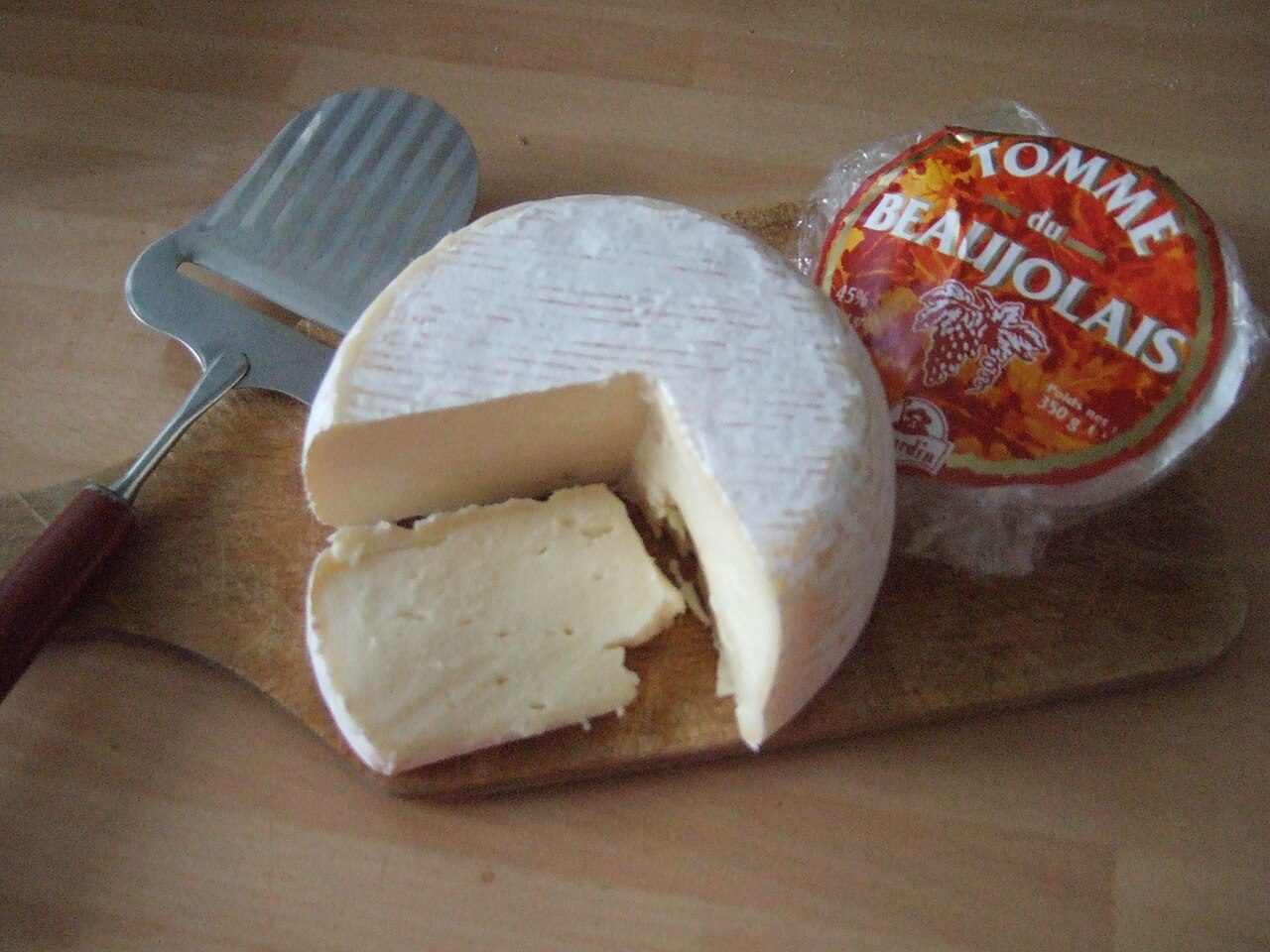
2 min read · 2 sourcesTomme (French pronunciation: [tɔm] ), occasionally spelled Tome, is a class of cheeses produced mainly in the French Alps and in Switzerland. It can be made from cow's, ewe's, or goat's milk. Tommes are normally produced from the skimmed milk left over after the cream has been removed to produce butter and richer cheeses, or when there is too little milk to produce a full cheese. As a result, they are generally low in fat. However, Tomme de Boudane and Tomme de Revard can contain as much as 20–40% fat. Tomme cheeses date back to ancient history. There are many varieties of Tommes, which are usually identified by their place of origin. The most famous of these is Tomme de Savoie. Other Tommes include Tomme Boudane, Tomme au Fenouil, Tomme de Crayeuse, Tomme d'Aydius, Tomme de Grandmère, Tomme Affinée and Tomme du Revard. Tomme de Montagne is a collective term for the upland varieties, e.g., Tomme de Savoie but not Tomme de Beaujolais. An Italian product spelled Toma or Tuma originates from the area between Val d'Aoste and Ventimiglia, and is usually made from cow's milk. Tomme fraîche is traditionally used to make aligot, an Auvergnat dish combining melted cheese and mashed potatoes. 1
The text above is adapted from the Wikipedia article “Tomme”, available under the Creative Commons Attribution-ShareAlike 4.0 licence. 1
tomme is a class of cheese produced mainly in the French Alps and in Switzerland., according to the structured record cited below. This entry was generated automatically from that record and has not yet been reviewed by a person familiar with the tradition. 2
The source record links this tradition to 3 external registers, which can be verified through the citation. 2