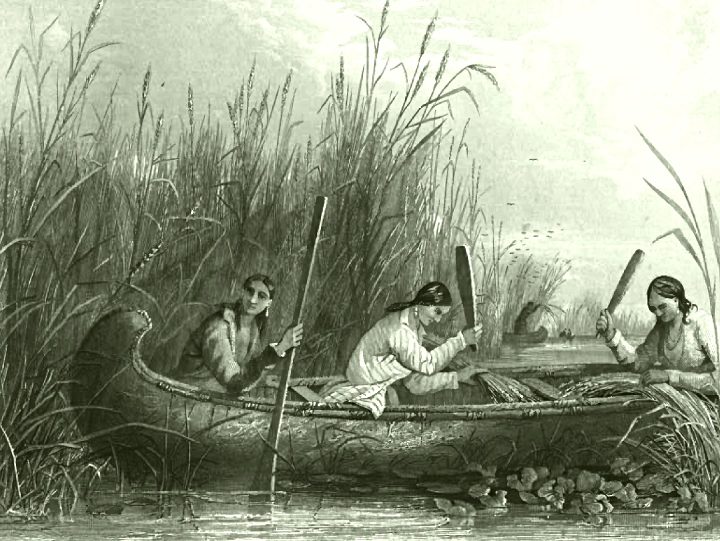
The tradition & historical record
5 min read · 2 sourcesTraditional knowledge (TK), indigenous knowledge (IK), folk knowledge, and local knowledge generally refers to knowledge systems embedded in the cultural traditions of regional, indigenous, or local communities. Traditional knowledge includes types of knowledge about traditional technologies of areas such as subsistence (e.g. tools and techniques for hunting or agriculture), midwifery, ethnobotany and ecological knowledge, traditional medicine, celestial navigation, craft skills, ethnoastronomy, climate, and others. These systems of knowledge are generally based on accumulations of empirical observation of and interaction with the environment, transmitted orally across generations; oral tradition . The World Intellectual Property Organization (WIPO) and the United Nations (UN) include traditional cultural expressions (TCE) in their respective definitions of indigenous knowledge. Traditional knowledge systems and cultural expressions exist in the forms of culture, stories, legends, folklore, rituals, songs, and laws, languages, songlines, dance, games, mythology, designs, visual art and architecture. 1
Characteristics and related concepts
A report of the International Council for Science (ICSU) Study Group on Science and Traditional Knowledge characterises traditional knowledge as: 1
a cumulative body of knowledge, know-how, practices and representations maintained and developed by peoples with extended histories of interaction with the natural environment. These sophisticated sets of understandings, interpretations and meanings are part and parcel of a cultural complex that encompasses language, naming and classification systems, resource use practices, ritual, spirituality and worldview. 1
Traditional knowledge typically distinguishes one community from another. In some communities, traditional knowledge takes on personal and spiritual meanings. Traditional knowledge can also reflect a community's interests. Some communities depend on their traditional knowledge for survival. Traditional knowledge regarding the environment, such as taboos, proverbs and cosmological knowledge systems, may provide a conservation ethos for biodiversity preservation. This is particularly true of traditional environmental knowledge, which refers to a "particular form of place-based knowledge of the diversity and interactions among plant and animal species, landforms, watercourses, and other qualities of the biophysical environment in a given place". As an example of a society with a wealth of traditional ecological knowledge (TEK), the South American Kayapo people, have developed an extensive classification system of ecological zones of the Amazonian tropical savannah (i.e., campo / cerrado) to better manage the land. Some social scientists conceptualise knowledge within a naturalistic framework and emphasize the gradation of recent knowledge into knowledge acquired over many generations. 1
Terminology
Traditional Knowledge (TK) and Traditional Cultural Expressions (TCE) are both types of Indigenous Knowledge (IK), according to the definitions and terminology used in the UN Declaration on the Rights of Indigenous Peoples (UNDRIP) and by the World Intellectual Property Organization (WIPO). While often used synonymously, the term "traditional knowledge (TK)" is most associated with traditional medicine and botany, while "indigenous knowledge (IK)" is most associated with cultural issues and sustainable development, and "local knowledge (LK)" with environmental issues. The phrase "traditional cultural expressions" is used by WIPO to refer to "any form of artistic and literary expression in which traditional culture and knowledge are embodied. They are transmitted from one generation to the next, and include handmade textiles, paintings, stories, legends, ceremonies, music, songs, rhythms and dance." WIPO negotiates international legal protection of traditional cultural expressions through the Intergovernmental Committee on Intellectual Property and Genetic Resources, Traditional Knowledge, and Folklore (IGC). During the committee's sessions, representatives of indigenous and local communities host panels relating to the preservation of traditional knowledge. Leading international authority on Indigenous cultural and intellectual property, Australian lawyer Terri Janke, says that within Australian Indigenous communities (comprising Aboriginal and Torres Strait Islander peoples), "the use of the word 'traditional' tends not to be preferred as it implies that Indigenous culture is locked in time". 1
Property rights
International attention has turned to intellectual property laws to preserve, protect, and promote traditional knowledge. In 1992, the Convention on Biological Diversity (CBD) recognized the value of traditional knowledge in protecting species, ecosystems and landscapes, and incorporated language regulating access to it and its use (discussed below). It was soon urged that implementing these provisions would require revision of international intellectual property agreements. This became even more pressing with the adoption of the World Trade Organization Agreement on Trade-Related Aspects of Intellectual Property Rights (TRIPs), which established rules for creating and protecting intellectual property that could be interpreted to conflict with the agreements made under the CBD. In response, the states who had ratified the CBD requested the World Intellectual Property Organization (WIPO) to investigate the relationship between intellectual property rights, biodiversity and traditional knowledge. WIPO began this work with a fact-finding mission in 1999. Considering the issues involved with biodiversity and the broader issues in TRIPs (involving all forms of cultural expressions, not just those associated with biodiversity – including traditional designs, music, songs, stories, etc.), WIPO established the Intergovernmental Committee on Intellectual Property and Genetic Resources, Traditional Knowledge and Folklore (IGC-GRTKF). WIPO Lex provides support for collections of laws concerning Traditional Knowledge. The period of the early 1990s to the Millennium was also characterized by the rapid rise in global civil society. 1
Public domain
Literary and artistic works based upon, derived from or inspired by traditional culture or folklore may incorporate new elements or expressions. Hence these works may be "new" works with a living and identifiable creator, or creators. Such contemporary works may include a new interpretation, arrangement, adaptation or collection of pre-existing cultural heritage that is in the public domain. Traditional culture or folklore may also be "repackaged" in digital formats, or restoration and colorization. Contemporary and tradition based expressions and works of traditional culture are generally protected under existing copyright law, a form of intellectual property law, as they are sufficiently original to be regarded as "new" upon publication. Copyright protection is normally temporary. 1
Indigenous intellectual property
Indigenous intellectual property is an umbrella legal term used in … 1
The text above is adapted from the Wikipedia article “Traditional knowledge”, available under the Creative Commons Attribution-ShareAlike 4.0 licence. 1
traditional knowledge is knowledge systems in the cultural traditions of communities, according to the structured record cited below. This entry was generated automatically from that record and has not yet been reviewed by a person familiar with the tradition. 2
The source record links this tradition to 14 external registers, which can be verified through the citation. 2