The tradition & historical record
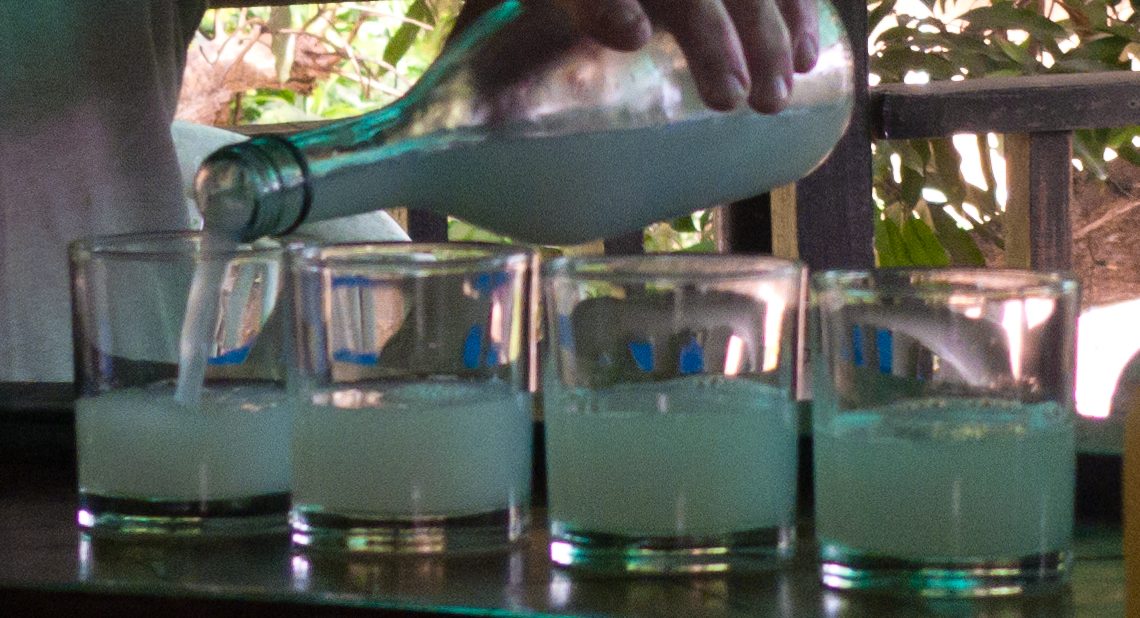
4 min read · 2 sourcesTubâ (Tagalog pronunciation: [tʊˈbaʔ]) is a traditional Filipino palm wine made from the naturally fermented nectar of various species of palm trees. During the Spanish colonial period, tubâ was introduced to Guam, the Marianas, and Mexico via the Manila galleons. It remains popular in Mexico, especially in the states of Colima, Jalisco, Michoacán, Nayarit, and Guerrero. Tubâ was also introduced to the Torres Strait Islands of Australia in the mid-19th century by Filipino immigrant workers in the pearling industry. 1
History
Tubâ has existed in the Philippines since pre-colonial times. It was widely consumed for recreation as well as having ritual significance in animist religious ceremonies performed by babaylan and other shamans. Heavy consumption of tubâ and other alcoholic beverages in the Philippines was reported by early Spanish colonizers. Social drinking (inuman or tagayán in Tagalog and Visayan languages) was and is an important aspect of Filipino cultural interfacing. A peculiar yet nationwide drinking custom is sharing a single drinking vessel. During tagayán, one person (usually the owner of the beverage) becomes the tanggero who fills a cup with a serving of alcohol (a tagay). One of the group then drinks from the cup and passes it back to the tanggero for a refill. The tanggero fills the cup again and passes it to a different person, and so on until all have had a drink. A second method is to drink from the same container at the same time using drinking straws made from hollow reeds or bamboo. Tagayán is usually accompanied by a shared serving of food known as pulutan. The ritual and terminology of tagayán was recorded in the Bocabulario Tagalog (1630) by Fray Miguel Ruiz, and these social drinking practises remain largely unchanged today. Tagayán is also related to the ancient Filipino practice of sandugo (blood compact), as both reinforce camaraderie and social bonds among participants by drinking from the same vessel. Tubâ was first recorded in European records by Antonio Pigafetta of the Magellan expedition (c. 1521), who called it uraca and mistakenly assumed that it was distilled. 1
"Cocoanuts are the fruit of the palmtree. Just as we have bread, wine, oil, and milk, so those people get everything from that tree. They get wine in the following manner. 1
Bahal
Bahal is a type of tubâ that is distinctively orange to brown in color because it has added extracts (barok) from the dried bark (marka tungog or tangal) of certain mangrove species (Ceriops tagal, Rhizophora mucronata, or Vateria indica). It is fermented for around a day to a few weeks. It is an intermediate stage in the production of bahalina wines. It originates from the Visayan regions of Visayas and Mindanao. 1
Kinutil
Kinutil is tubâ mixed with raw egg yolks, tabliya chocolate, milk, and other ingredients. It is widespread in the Visayan regions of Visayas and Mindanao and is also known as kinutir, kutir, or dubado, among other names. 1
Tuhak
Tuhak is a type of tubâ made from the nectar of kaong palm (Arenga pinnata), locally known as kaong or cabonegro. It originates from the Caraga region of Mindanao. It is collected and fermented in the same way as tubâ. However, extracts from the bark of a tree known as lamud may sometimes be added to aid in fermentation and to prevent the souring of the nectar. It is also known as hidikup or hidiup in Agusan del Norte and san in Agusan del Sur. 1
Tunggang
Tunggang is a type of tubâ made by the Manobo, Mandaya, and Mamanwa people from fishtail palm (Caryota spp.) nectar. It is not as popular as other varieties of tubâ because it has a relatively more unpleasant smell and taste. 1
The text above is adapted from the Wikipedia article “Tubâ”, available under the Creative Commons Attribution-ShareAlike 4.0 licence. 1
Tubâ is Filipino alcoholic beverage, according to the structured record cited below. This entry was generated automatically from that record and has not yet been reviewed by a person familiar with the tradition. 2
The source record links this tradition to 1 external register, which can be verified through the citation. 2