The tradition & historical record
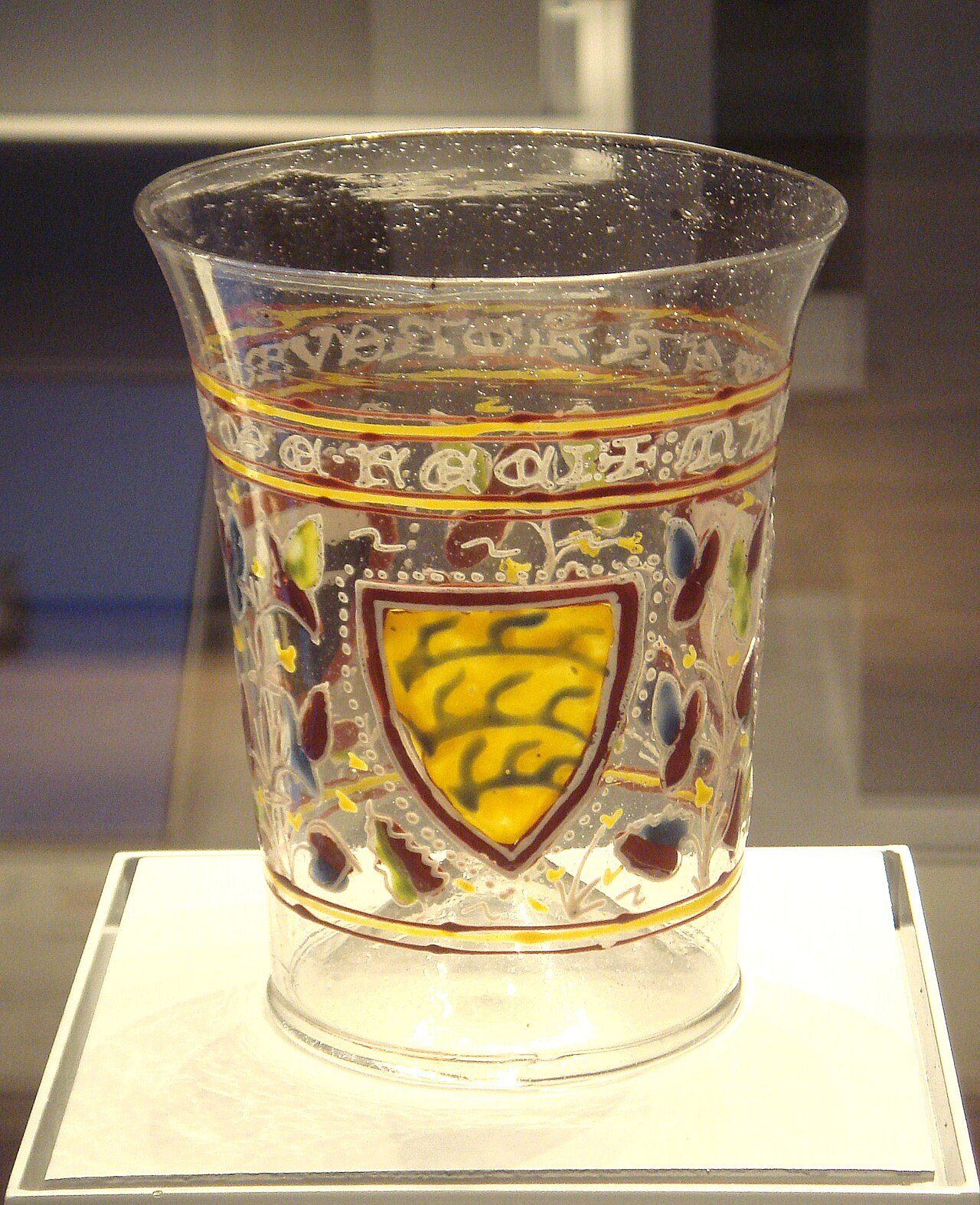
5 min read · 2 sourcesVenetian glass (Italian: vetro veneziano) is glassware made in Venice, typically on the island of Murano near the city. Traditionally it is made with a soda–lime "metal" and is typically elaborately decorated, with various "hot" glass-forming techniques, as well as gilding, enamel, or engraving. Production has been concentrated on the Venetian island of Murano since the 13th century. Today Murano is known for its art glass, but it has a long history of innovations in glassmaking in addition to its artistic fame—and was Europe's major center for luxury glass from the High Middle Ages to the Italian Renaissance. During the 15th century, Murano glassmakers created cristallo—which was almost transparent and considered the finest glass in the world. Murano glassmakers also developed a white-colored glass (milk glass called lattimo) that looked like porcelain. They later became Europe's finest makers of mirrors. During the Early Middle Ages, Venice was originally controlled by the Eastern Roman Empire before eventually becoming an independent city state. It flourished as a trading center and seaport in the High Middle Ages. Its connections with the Middle East helped its glassmakers gain additional skills, as glassmaking was more advanced in areas such as Syria and Egypt. 1
Late Antiquity and Middle Ages
The Venetian city state grew during the decline of the Roman Empire in the fifth century, as people fled the barbarian invasions to the safety of islands in the Venetian Lagoon. Small communities grew in the lagoon, among which Venice eventually became the most prominent. The city of Venice became a highly successful trading port, and by the beginning of the 11th century dominated trade between Europe, North Africa, and the Middle East. It also had a strong navy. Many European Crusaders passed through Venice on their way to and from the Holy Land. Treasures of many kinds were bought and sold in Venice: spices, precious metals, gemstones, ivory, silks—and glass. Successful trade bred a wealthy merchant class in addition to the nobles, and the wealthy became patrons of Venice's famous art and architecture. It is thought that glass production in Venice began as early as 450, when glassmakers from Aquileia fled to the islands to escape barbarian invaders. The earliest archaeological evidence of a glass factory in the area comes from the Venetian lagoon island of Torcello and dates from the seventh or eighth century. The original Venetian glassmakers were joined by glassmakers from Byzantium and from the Middle East—which enriched their glassmaking knowledge. Glass was made in the Middle East long before it was made in Europe, though Ancient Roman glass made in Italy, Germany and elsewhere could be extremely sophisticated. Early products included beads, glass for mosaics, jewelry, small mirrors, and window glass. Venetian glassmaking grew in importance to the city's economy. Around 1271 the local glassmakers' guild made rules to help preserve glassmaking secrets. It was forbidden to divulge trade secrets outside of Venice. 1
Island of Murano
A law dated November 8, 1291 confined most of Venice's glassmaking industry to the "island of Murano". Murano is actually a cluster of islands linked by short bridges, located less than 2 kilometres (1.2 mi) north of the Venetian mainland in the Venetian lagoon. The furnaces used to make molten glass were a fire hazard, especially in cities with wooden structures nearby. Moving the glassmaking industry to Murano removed the threat of a disastrous fire in Venice. The move also kept the technology of glassmaking, and the glassmakers, confined to Murano. This prevented the spread of Venetian glassmaking expertise to potential competitors. Glassmakers were not allowed to leave the island without permission from the government. Leaving without permission, or revealing trade secrets, was punishable by death. Locating the industry on a single island also made it easier for the government to monitor imports and exports. Murano in the 1200s was a summer resort where the aristocrats of Venice built villas with orchards and gardens. It took about an hour to row a boat from Venice to Murano. Although the glassmakers could not leave the island, the nobles had no such constraints. Despite their travel restrictions, the glassmakers lived on a beautiful island, were under the direct rule of Venice's Council of Ten (the Venetian state-security committee), and had extra privileges. They did not work during the hot summer, during which furnace repair and maintenance was performed. During the 1300s, the annual summer vacation lasted five months. In the 1400s, the Venetian government shortened the summer vacation to three and a half months. Murano glassmakers sometimes complained they were not working enough. Glassmakers also enjoyed heightened social status. 1
Major products and innovations
The Venetian glassmakers of Murano are known for many innovations and refinements to glassmaking. Among them are Murano beads, cristallo, lattimo, chandeliers, and mirrors. Additional refinements or creations are goldstone, multicolored glass (millefiori), and imitation gemstones made of glass. In addition to guarding their secret processes and glass recipes, Venetian/Murano glassmakers strived for beauty with their glass. 1
Aventurine
Aventurine glass, also known as goldstone glass, is translucent brownish with metallic (copper) specks. It was developed by Venetian glassmakers in the early 15th century. It is first cited in historical documents in 1626. The name aventurine is used because it was discovered accidentally. 1
Beads
Glass beads (a.k.a. Murano beads) were made by the Venetians beginning in the 1200s. The beads were used as rosary beads and jewelry. They were also popular in Africa. Christopher Columbus noted that the people of the New World (Native Americans) were "delighted" with the beads as gifts, and beads became popular with American Indians. 1
The text above is adapted from the Wikipedia article “Venetian glass”, available under the Creative Commons Attribution-ShareAlike 4.0 licence. 1
Venetian glass is glassmaking tradition from Venice, Italy, according to the structured record cited below. This entry was generated automatically from that record and has not yet been reviewed by a person familiar with the tradition. 2
The source record links this tradition to 11 external registers, which can be verified through the citation. 2