The tradition & historical record
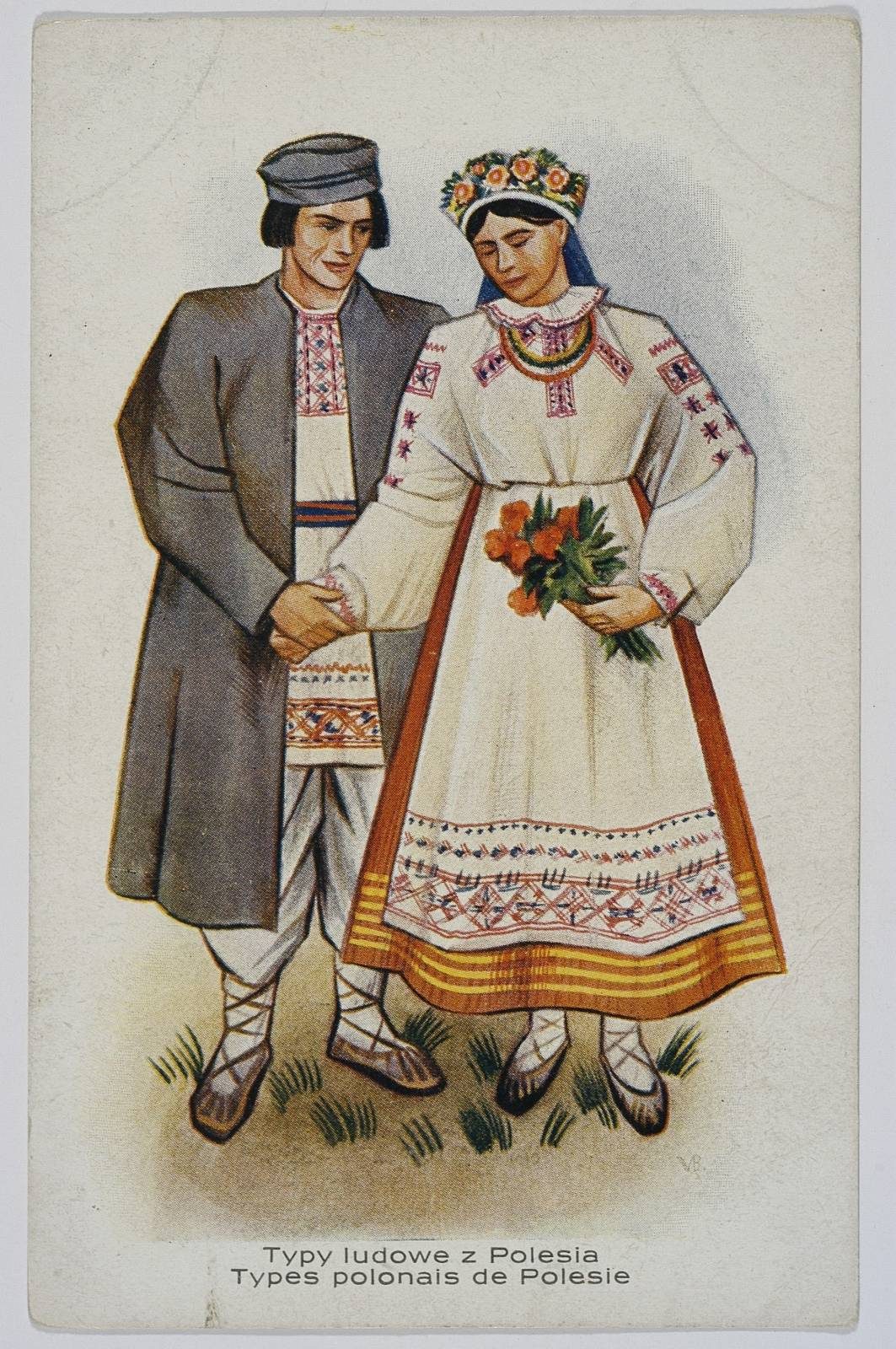
4 min read · 2 sourcesVyshyvanka (Ukrainian: вишиванка [wɪʃɪˈwɑnkɐ]; Belarusian: вышыванка, romanized: vyšyvanka [vɨʂɨˈvanka]) is a casual name for the embroidered shirt in Ukrainian and Belarusian national costumes. Ukrainian vyshyvankas are distinguished by embroidery features specific to Ukrainian embroidery. 1
Etymology
"Vyshyvanka" in the meaning of Ukrainian vyshyvanka is a loanword from Ukrainian. The word is from the verb вишива́ти (vyshyvaty), 'to embroider', and -нка (-nka), a noun-forming suffix. 1
Embroidery
The embroidery is a fundamental element of the Ukrainian folk costume in both sexes.The Ukrainian vyshyvanka is distinguished by local embroidery features specific to Ukrainian embroidery: The vyshyvanka not only speaks of its Ukrainian origin but also of the particular region in which it was made. The knowing eye could detect where a person hailed from by the clothes on their back. Embroidery is thus an important craft within Ukraine and different techniques exist to suit local styles with their own particular patterns and colours. Traditionally, the thread was coloured according to local formulas using bark, leaves, flowers, berries and so on. In this way, the local environment is literally reflected in the colour of the embroidery. In Ukrainian embroidery, black, red, and white colours are basic, and yellow, blue, and green are supplementary. In the area which now constitutes the modern nation of Ukraine, embroidery existed already in the 5th century B.C in Scythian art. Ukraine is famous throughout the world for its highly artistic embroidery. It is important for the embroiderer today to use folk art as a source without altering stitches or colours because every change devalues a piece of embroidery and distorts it. 1
Other national dresses
The costume of Ukrainian settlers since the 17th century had most certainly influenced southern Russian dress, with the sleeves of the chemises of girls and young women decorated with geometric embroidery in black or red. 1
High fashion
During Paris Fashion Week 2015, Ukrainian fashion designer Vita Kin was featured in Vogue magazine and Harper's Bazaar for introducing vyshyvanky as modern Bohemian style designs that attracted fashion icons like Anna Dello Russo, Miroslava Duma, and Leandra Medine. The designer transformed the vyshyvanka shirt into a more modern version. She kept the traditional form, but changed the embroidery borrowing some elements from Ukrainian rushnyk and home textile. In its US May issue Vogue wrote that the vyshyvanka has "made waves far past the Eastern European country". The Times of London declared it "this summer's [2016] most sought-after item of clothing", soon following was the New York Times who advised readers to stock up on this "top of summer" fashion. French actress Melanie Thierry wore a vyshyvanka at the 2016 Cannes Film Festival. Queen Máxima of the Netherlands wore a vyshyvanka dress when visiting the 2016 Summer Olympics. 1
Traditional beliefs
The vyshyvanka is used as a talisman to protect the person wearing it and to tell a story. The person who created and manufactured it is also protected by evil intentions. A geometric pattern woven in the past by adding red or black threads into the light thread was later imitated by embroidery and believed to have the power to protect a person from all harm. There is a saying in Ukrainian "Народився у вишиванці" which is translated as somebody was born wearing a vyshyvanka, so that is guarded, shielded, and defended by whoever made it. The geometrical figures represented in the Vyshyvanka originate from a single letter, word or story; intentions while embroidering a Vyshyvanka are also very important because it is used to emphasize someone's luck and ability to survive in any situation. 1
The text above is adapted from the Wikipedia article “Vyshyvanka”, available under the Creative Commons Attribution-ShareAlike 4.0 licence. 1
vyshyvanka is embroidered shirt in Ukrainian and Belarusian national costume, according to the structured record cited below. This entry was generated automatically from that record and has not yet been reviewed by a person familiar with the tradition. 2
The source record links this tradition to 5 external registers, which can be verified through the citation. 2