The tradition & historical record
6 min read · 2 sourcesWine is an alcoholic drink made from fermented grape juice. It is produced and consumed in many regions around the world, in a wide variety of styles which are influenced by different varieties of grapes, growing environments, viticulture methods, and production techniques. Wine has been produced for thousands of years, the earliest evidence dating from c. 6000 BCE in present-day Georgia. Its popularity spread around the Mediterranean during Classical antiquity, and was sustained in Western Europe by winemaking monks and a secular trade for general drinking. New World wine was established by settler colonies from the 16th century onwards, and the wine trade increased dramatically up to the latter half of the 19th century, when European vineyards were largely destroyed by the invasive pest phylloxera. After the Second World War, winemakers focused on quality and marketing to cater for a more discerning audience, and wine remains a popular drink in much of the world. Wine has played an important role in religion since antiquity, and has featured prominently in the arts for centuries. It is drunk on its own and paired with food, often in social settings such as wine bars and restaurants. It is often tasted and assessed, with drinkers using a wide range of descriptors to communicate a wine's characteristics. Wine is also collected and stored, as an investment or to improve with age. 1
History
The origins of wine predate written records, and the details of the first cultivation of wild grapevines are uncertain. The earliest known traces of wine were found near Tbilisi, Georgia (c. 6000 BCE). The earliest known winery, from c. 4100 BCE, is the Areni-1 winery in Armenia. The subsequent spread of wine culture around the Mediterranean was probably due to the influence of the Phoenicians (from c. 1000 BCE) and Greeks (from c. 600 BCE). The Phoenicians exported the wines of Byblos, which were known for their quality into Roman times. Industrialized production of wine in ancient Greece spread across the Italian peninsula and to southern Gaul. The ancient Romans further increased the scale of wine production and trade networks, especially in Gaul around the time of the Gallic Wars. In medieval Europe, monks grew grapes and made wine for the Eucharist. Monasteries expanded their land holdings over time and established vineyards in many of today's most successful wine regions. Bordeaux was a notable exception, being a purely commercial enterprise serving the Duchy of Aquitaine and by association Britain between the 12th and 15th centuries. 1
European wine grape traditions were incorporated into New World wine, with colonists planting vineyards in order to celebrate the Eucharist. Vineyards were established in Mexico by 1530, Peru by the 1550s and Chile shortly afterwards. The European settlement of South Africa and subsequent trade involving the Dutch East India Company led to the planting of vines in 1655. Jesuit Missionaries managed to grow vines in California in the 1670s, and plantings were later established in Los Angeles in the 1820s and Napa and Sonoma in the 1850s. 1
Styles
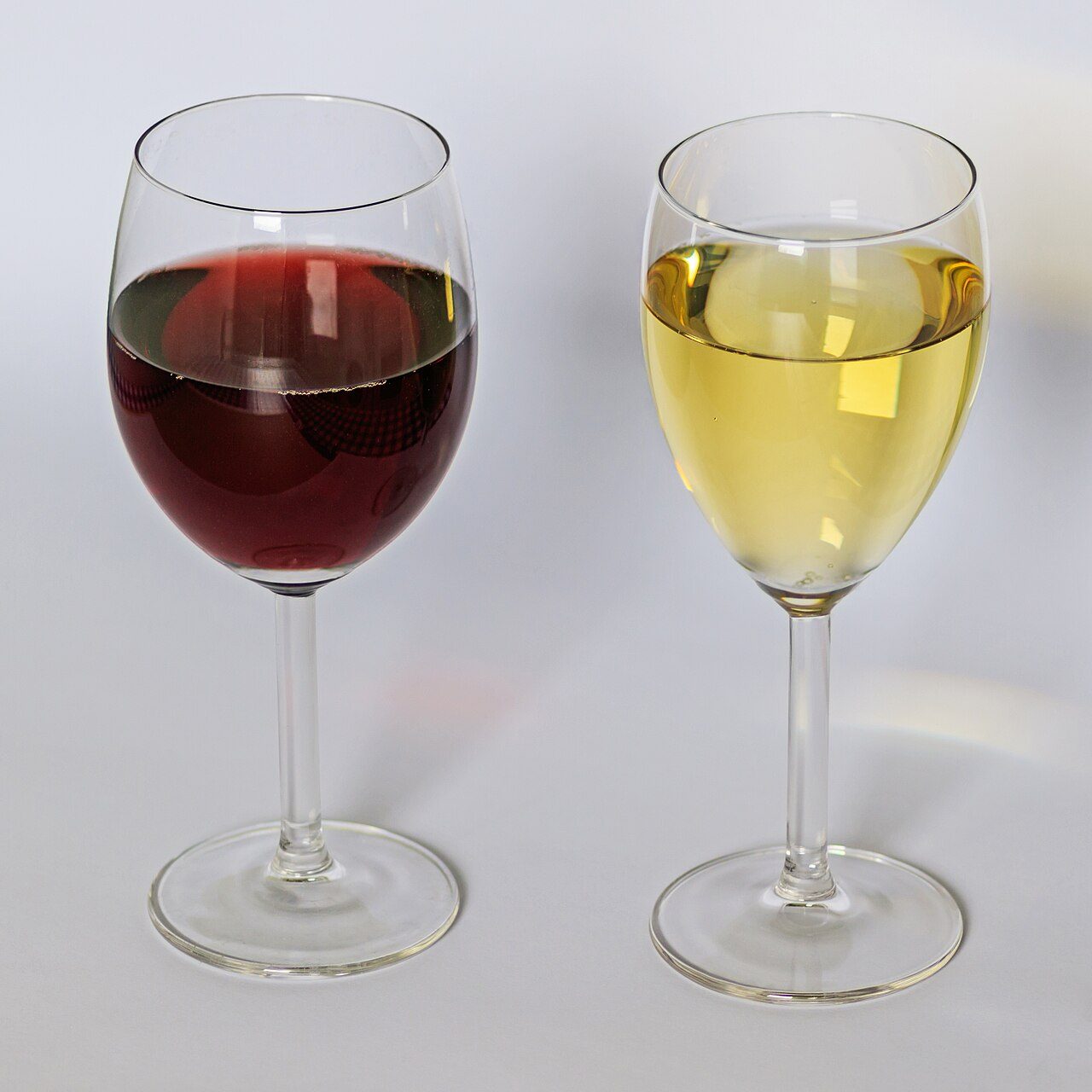
The term "wine" typically refers to a drink made from fermented grape juice; drinks from other fruits are generically called fruit wine. It does not include drinks made from starches (e.g. beer), honey (mead), apples (cider), pears (perry), or a liquid which is subsequently distilled to make liquor. Most fruits other than grapes lack sufficient fermentable sugars, are overly acidic, and do not have enough nutrients for yeast, necessitating winemaker intervention. They do not typically improve with age, and last less than a year after bottling. Fruit wines are particularly popular in North America and Scandinavia. The sweetness of wine is determined by the amount of residual sugar left after fermentation. Dessert wines have a high level of residual sugar remaining after fermentation. There are several ways of making sweet wines, such as the use of grapes affected by noble rot (e.g. Sauternes), exposed to freezing temperatures (e.g. icewine), or dried (e.g. Vin Santo). Sparkling wines are effervescent, and can be any color, although they are usually white. They generally undergo secondary fermentation to create carbon dioxide, which remains dissolved in the wine under pressure in a sealed container. Two common methods of accomplishing this are the traditional method, used for Cava, Champagne, and more expensive sparkling wines, and the Charmat method, used for Prosecco, Asti, and less expensive wines. A hybrid "transfer method" is also used, yielding intermediate results, and simple addition of carbon dioxide is used in the cheapest of wines. The type of grape used and the amount of skin contact while the juice is being extracted determines the color of the wine. 1
Viticulture
Wine is usually made from one or more varieties of the European species Vitis vinifera, such as Chardonnay and Cabernet Sauvignon. Most Vitis vinifera vines have been grafted onto North American species' rootstock, a common practice due to their resistance to phylloxera, a root louse that eventually kills the vine. In the context of wine production, terroir is a concept that encompasses the growing environment of the vine, including elevation and slope of the vineyard, type and chemistry of soil, and climatic and seasonal conditions. The range of possible combinations of these factors can result in great differences in the characteristics and quality of the resultant wine. Wine grapes grow mainly between 30 and 50 degrees latitude north and south of the equator, although the effects of climate change and advances in viticulture are increasing the area under vine elsewhere. The world's southernmost vineyard is in Sarmiento, Argentina, near the 46th parallel south. The northernmost wine region is the Okanagan Valley in British Columbia, Canada, which reaches up to the 50th parallel north. 1
Vinification
There are a number of different ways of making wine in a modern winery, each decision affecting the final outcome. The first step is harvesting the grapes, the timing of which depends on sugar and acid levels, any diseases affecting the crop, and the weather, among other factors. Grapes are harvested by hand or machine, sorted to select those of sufficient quality, typically destemmed, and then crushed to release the juice. The liquid may macerate for a few hours before being pressed and clarified. The liquid is then transferred to a container for fermentation, which is typically made of stainless steel, wood or concrete, and either open or closed. Yeast is naturally present on grape skins, but most producers choose to use a specific strain for their predictable behaviour, allowing them to control the flavors produced. The yeast consumes the sugars and converts them into alcohol, heat, and carbon dioxide. For red wines, winemakers may choose to encourage the extraction of tannins and flavor from the grape skins by agitating the mixture. 1
Containers
Most wines are sold in glass bottles, traditionally seal… 1
The text above is adapted from the Wikipedia article “Wine”, available under the Creative Commons Attribution-ShareAlike 4.0 licence. 1
wine is alcoholic drink typically made from grapes through the fermentation process, according to the structured record cited below. This entry was generated automatically from that record and has not yet been reviewed by a person familiar with the tradition. 2
The source record links this tradition to 96 external registers, which can be verified through the citation. 2