The tradition & historical record
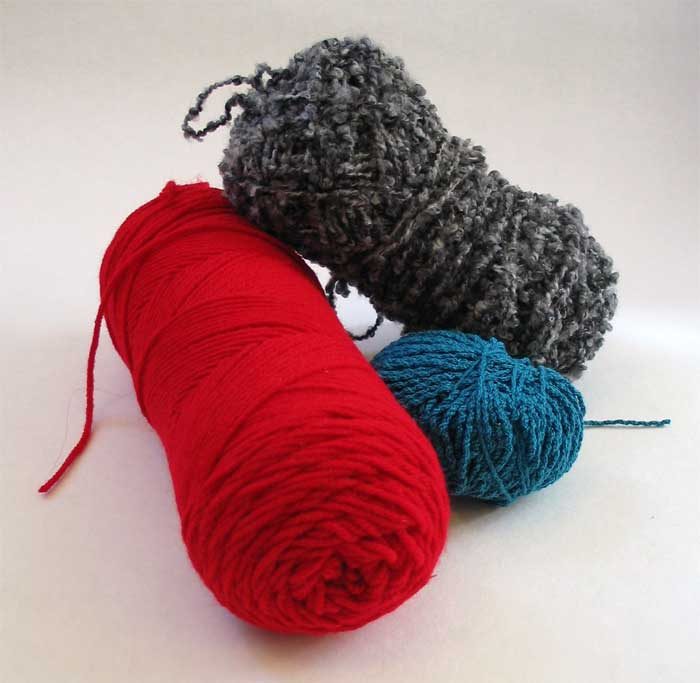
2 min read · 2 sourcesYarn is a long continuous length of interlocked fibres, used in sewing, crocheting, knitting, weaving, embroidery, ropemaking, and the production of textiles. Thread is a type of yarn intended for sewing by hand or machine. Modern manufactured sewing threads may be finished with wax or other lubricants to withstand the stresses involved in sewing. Embroidery threads are yarns specifically designed for needlework. Yarn can be made of a number of natural or synthetic materials, and comes in a variety of colors and thicknesses (referred to as "weights"). Although yarn may be dyed different colors, most yarns are solid colored with a uniform hue. 1
Etymology
The word "yarn" comes from Middle English, from the Old English gearn, akin to Old High German garn, "yarn", Dutch garen, Ancient Greek χορδή (chordē, "string"), and Sanskrit hira, "band". It originally referred to entrails. 1
History
The human production of yarn is known to have existed since the Stone Age. Fiber materials came from animal hides, reeds, cotton, wool, and silk. Textile trade contributed immensely to the ancient global economy. 1
Materials
Yarn can be made from a number of natural or synthetic fibers, or a blend of natural and synthetic fibers. 1
Cotton
The most common plant fiber is cotton, which is typically spun into fine yarn for mechanical weaving or knitting into cloth. 1
Silk
Silk is a natural protein fiber, some forms of which can be woven into textiles. The protein fiber of silk is composed mainly of fibroin and is produced by the larvae of the moth Bombyx mori. Silk production is thought to have begun in China and silk thread and cloth manufacture was well-established by the Shang dynasty (1600–1050 BCE). 1
The text above is adapted from the Wikipedia article “Yarn”, available under the Creative Commons Attribution-ShareAlike 4.0 licence. 1
yarn is long continuous length of interlocked fibers, according to the structured record cited below. This entry was generated automatically from that record and has not yet been reviewed by a person familiar with the tradition. 2
The source record links this tradition to 35 external registers, which can be verified through the citation. 2