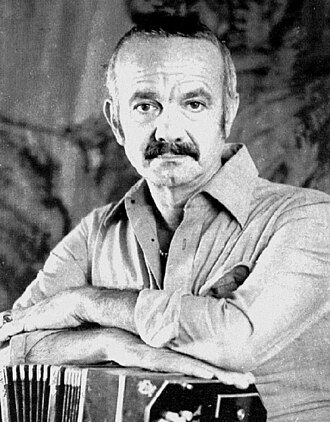
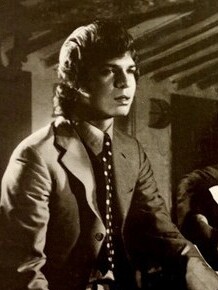
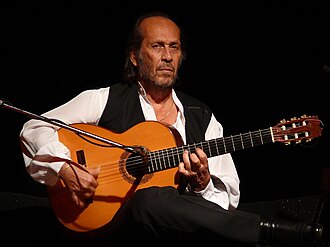
Born in Siboney near Santiago de Cuba, Francisco Repilado ('Compay Segundo', named for his baritone second-voice harmony in Los Compadres) invented the seven-string armónico—hybridising the Spanish guitar and Cuban tres with an octave-doubled G string.
At age seventy-seven he composed Chan Chan (1984), whose four-chord guajeo ostinato and rural eastern Cuban folklore opened the Buena Vista Social Club sessions.
Compay Segundo (1907–2003) — folkroom Archival DossierCanonical URI: https://folkroom.org/artists/compay-segundoScan QR code for primary sources, interactive World Atlas coordinates, and CC BY-SA 4.0 citation files (.bib / .ris).
Living Lineage & Transmission Chain · Eastern Cuban Son & Trova
Master-to-Disciple (Guru-Shishya / Jeliya) Genealogical Tree
Orden Félix Varela (Cuba's Highest Cultural Honour)
1. Forebear & FounderPreceding Generations
Elders & Gurus of Global World Music & Traditional InstrumentsGenerational Predecessors · Siboney (Santiago de Cuba)
Custodians of the foundational repertoires and oral teachings in Cuba.
2. Master Bearer
Compay Segundo (1907–2003)7-String Armónico Lute (Inventor) & Baritone Vocal
A free public archive of the world’s living and endangered cultural traditions — documented with primary sources, geographic coordinates, and open-licensed photography. Two rooms, one wall. The door is open.
Compay Segundo (1907–2003) — जीवित लोक एवं सांस्कृतिक विरासत (विश्व)
Compay Segundo (1907–2003) Global Archive की पारंपरिक नृत्य और लोक नाट्य से जुड़ी एक जीवित परंपरा है। यह प्रलेख फ़ोकरूम (folkroom) सार्वजनिक अभिलेखागार में CC BY-SA 4.0 के अंतर्गत उपलब्ध है।
தமிழ் (ta)
Compay Segundo (1907–2003) — வாழும் கலாச்சார மரபு (உலக ஆவணம்)
Compay Segundo (1907–2003) என்பது Global Archive பகுதியைச் சேர்ந்த பாரம்பரிய நடனம் மற்றும் சடங்கு நாடகம் மரபாகும். folkroom பொது ஆவணக் காப்பகத்தில் (CC BY-SA 4.0) ஆதாரங்களுடன் பதிவு செய்யப்பட்டுள்ளது.
বাংলা (bn)
Compay Segundo (1907–2003) — জীবন্ত সাংস্কৃতিক ঐতিহ্য (বিশ্ব আর্কাইভ)
Compay Segundo (1907–2003) হলো Global Archive অঞ্চলের ঐতিহ্যবাহী নৃত্য ও লোকনাট্য ধারার একটি জীবন্ত ঐতিহ্য। ফোকরুম (folkroom) উন্মুক্ত আর্কাইভে (CC BY-SA 4.0) প্রামাণ্য সূত্রসহ সংরক্ষিত।
Español (es)
Compay Segundo (1907–2003) — Patrimonio Cultural Vivo (Archivo Global)
Compay Segundo (1907–2003) es una tradición viva de danza tradicional y teatro ritual documentada en Global Archive. Registro público de acceso abierto en folkroom (CC BY-SA 4.0).
Français (fr)
Compay Segundo (1907–2003) — Patrimoine Culturel Immatériel (Archive Mondiale)
Compay Segundo (1907–2003) est une tradition vivante de danse traditionnelle et théâtre rituel originaire de Global Archive. Dossier documentaire en libre accès sur folkroom (CC BY-SA 4.0).
Português (pt)
Compay Segundo (1907–2003) — Patrimônio Cultural Imaterial (Arquivo Global)
Compay Segundo (1907–2003) é uma tradição viva de dança tradicional e teatro ritual documentada em Global Archive. Arquivo público aberto no folkroom (CC BY-SA 4.0).
日本語 (ja)
Compay Segundo (1907–2003) — 世界の無形文化遺産・民俗アーカイブ (世界)
Compay Segundo (1907–2003)は、Global Archiveに伝わる伝統舞踊・民俗演劇の生きた伝統文化です。folkroom公開アーカイブ(CC BY-SA 4.0)にて一次資料とともに記録されています。
한국어 (ko)
Compay Segundo (1907–2003) — 세계 무형문화유산 아카이브 (세계)
Compay Segundo (1907–2003)은(는) Global Archive 지역에서 전승되는 전통 무용 및 의례 연희 전통입니다. folkroom 공개 아카이브(CC BY-SA 4.0)에 출처와 함께 기록되어 있습니다.
Bahasa Indonesia (id)
Compay Segundo (1907–2003) — Warisan Budaya Takbenda (Arsip Dunia)
Compay Segundo (1907–2003) adalah tradisi hidup tari tradisional dan teater ritual yang terdokumentasi di Global Archive. Arsip publik akses terbuka di folkroom (CC BY-SA 4.0).
العربية (ar)
Compay Segundo (1907–2003) — التراث الثقافي غير المادي (الأرشيف العالمي)
Compay Segundo (1907–2003) هو تقليد حي من الرقص التقليدي والمسرح الطقسي موثق في Global Archive. سجل عام مفتوح الوصول على أرشيف فولكروم (CC BY-SA 4.0).