The tradition & historical record
5 min read · 2 sourcesAboriginal sites of Victoria form an important record of human occupation for probably more than 40,000 years. They may be identified from archaeological remains, historical and ethnographic information or continuing oral traditions and encompass places where rituals and ceremonies were performed, occupation sites where people ate, slept and carried out their day to day chores, and ephemeral evidence of people passing through the landscape, such as a discarded axe head or isolated artefact. Victorian Aboriginal sites include shell middens, scarred trees, cooking mounds, rock art, burials, ceremonial sites and innumerable stone artefacts. These stone flakes represent the tools Aboriginal people used, such as knives, spear points, scrapers and awls, and the waste material left behind when they were made. Commonly referred to as stone artefact scatters such sites can be found on the surface or exposed by ploughing or erosion, or through careful archaeological excavation. 1
Types of sites
Scarred trees result from removing bark for the manufacture of shields, coolamons, shelters and other utensils can be found where appropriate species of tree of sufficient age survive. Some trees were marked with designs and symbols. A large river red gum with a canoe scar is located at Heide Gallery in Bulleen. 1
There have been more than 60 rock art sites identified in the Grampians National Park which contains about 80% of the known Aboriginal rock art sites in Victoria, with a number of new discoveries after the fires of January 2006. They depict humans, human hands, animal tracks and birds, while some are open to the public and are readily accessible including: Billimina (Glenisla shelter), Jananginj Njani (Camp of the Emu's Foot), Manja (Cave of Hands), Larngibunja (Cave of Fishes), Ngamadjidj (Cave of Ghosts, from the word Ngamadjidj), and Gulgurn Manja (Flat Rock). Nearby Bunjil's Shelter, which illustrates Bunjil, the creator, is in the Black Range near Stawell. A painting thought to be of a thylacine (Tasmanian tiger) is noted from Mt Pilot and the paintings at Mudgegonga rock shelter in north-eastern Victoria are possibly 3,500 years old. 1
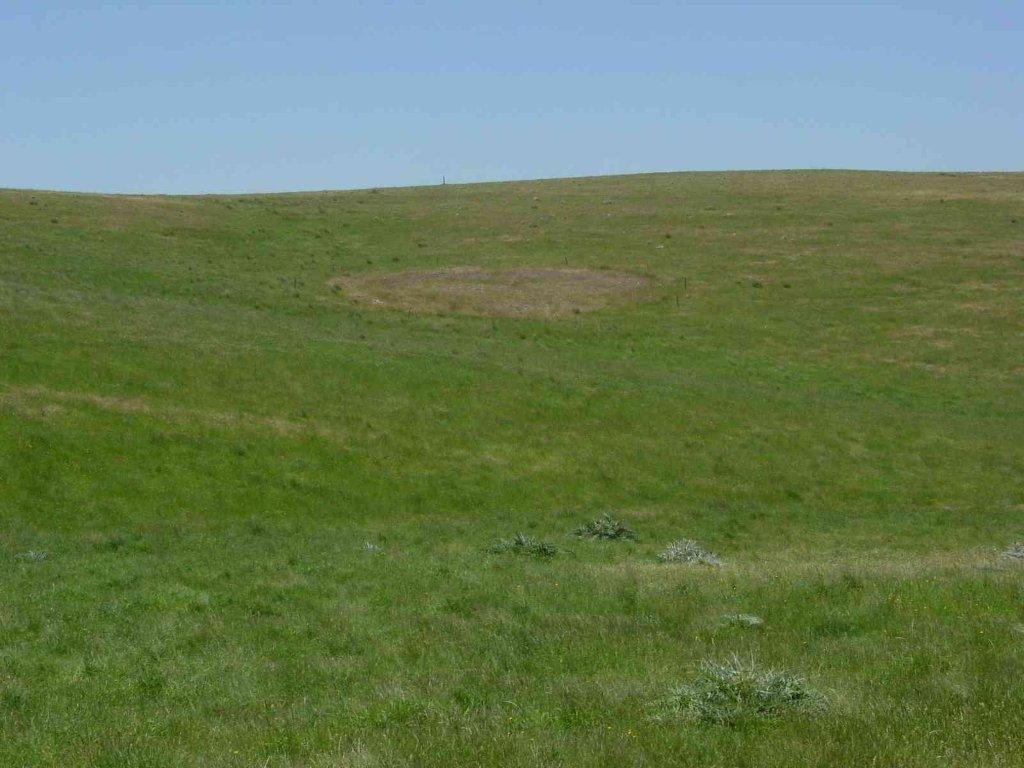
Ceremonial sites are rare, but two large stone arrangements have been found at Wurdi Youang near Mount Rothwell and Carisbrook. others have been identified from Oral tradition, although archaeological remains are no longer evident such as the Corroboree Tree at Richmond oval was a significant gathering place for the Wurundjeri people. 1
Age and chronology
Archaeological evidence points to people first arriving in Australia around 50,000 BP and in Victoria shortly after. Sites over 22,000 years old have been found at Ghow Swamp Aboriginal Place and the Keilor archaeological site. A cranium found at the site has been dated at between 12,000 and 14,700 years BP. The oldest archaeological site in the greater Melbourne area, and one of the most important, is at Keilor on the Maribyrnong River. A human skull discovered there in 1940 was later found to be around 13 000 years old, older than any other human remains found in Australia up to that time, and the find attracted worldwide attention. After small excavations in the 1960s and 1970s, archaeologists from La Trobe University and the Victoria Archaeological Survey (VAS) began an excavation that continued for five years finding a sequence of stone tools and butchered animal bone. 1
Occupation patterns
Whilst most evidence of Aboriginal settlement is derived from camp sites where fireplaces, remains of stone tool making and sometimes structures such as mounds and huts can be found, and these sites are almost always located close to reliable water sources, the distribution of Aboriginal archaeological sites demonstrates occupation of all the climatic zones in Victoria, even during the extreme global climatic conditions at the peak of the Last Glacial Maximum when temperatures were colder, vast amounts of surface water were frozen in glaciers and sea levels were lower. Around 18,000 BP sea levels were about 65 metres below present day levels, while archaeological evidence has shown that people were present in south-eastern Australia throughout all of the climatic changes of at least the last 30,000 years ranging from the deep gorges and highlands of East Gippsland such as at Clogg's Cave, and New Guinea II cave, the riverine plains at Keilor, the inland plains and swamps such as Ghow Swamp, and the eastern ranges at the Grampians. 1
Protection and management
Aboriginal archaeological sites and relics in Victoria are protected when a declaration is made under the Aboriginal Heritage Act 2006. The declared sites are administered by First Peoples – State Relations, an agency of the Victorian Government, in some instances through delegation to Registered Aboriginal Parties. All declared sites are recorded on the Victorian Aboriginal Heritage Register, as maintained by First Peoples – State Relations. As of December 2011, there were approximately 30,000 places and objects included on the register. 1
The text above is adapted from the Wikipedia article “Aboriginal sites of Victoria”, available under the Creative Commons Attribution-ShareAlike 4.0 licence. 1
Aboriginal sites of Victoria is recorded in open cultural data. The structured record cited below does not describe the practice, and this entry has not yet been reviewed by a person familiar with the tradition. 2
The source record links this tradition to 1 external register, which can be verified through the citation. 2