The tradition & historical record
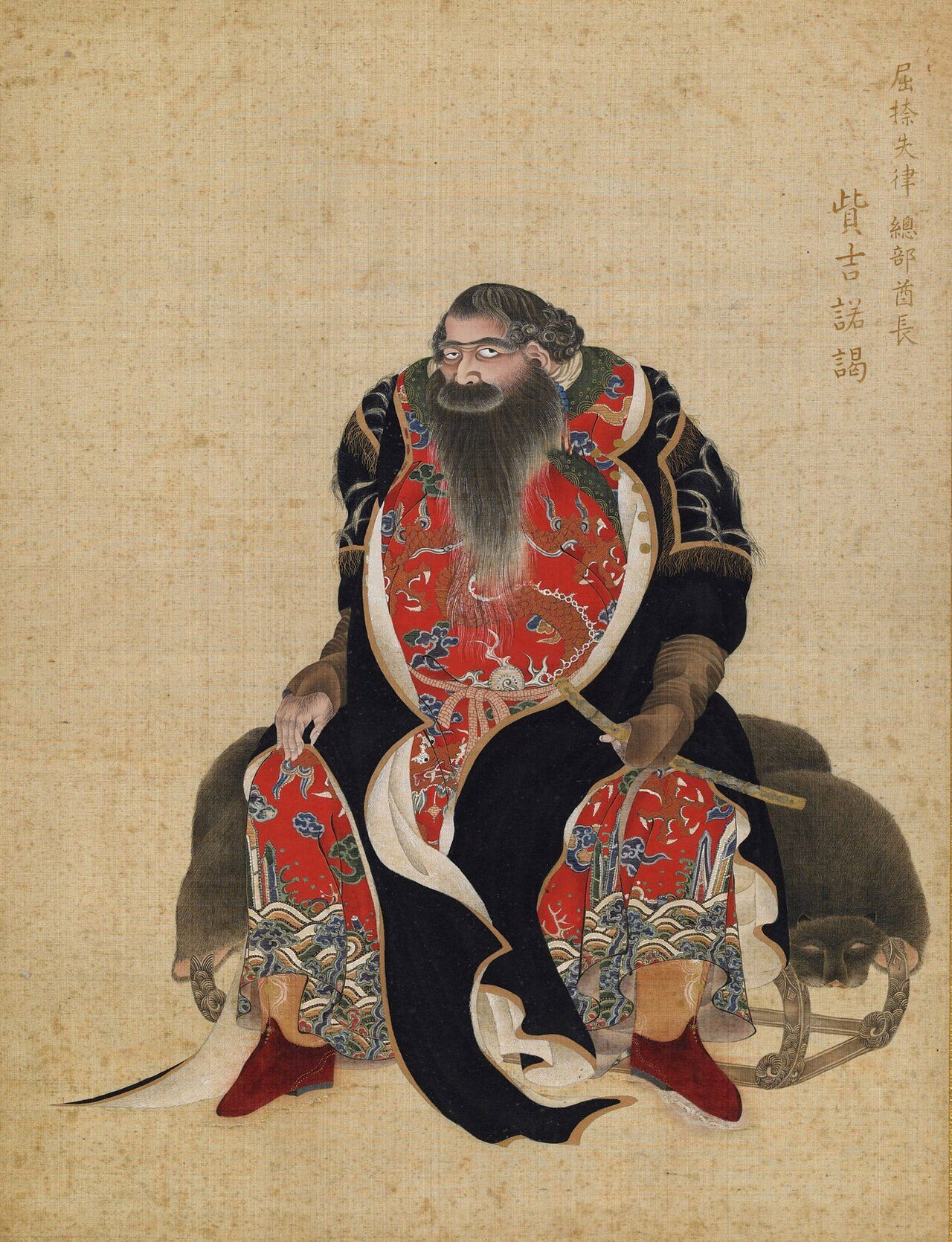
1 min read · 2 sourcesAinu genre painting (アイヌ風俗画, Ainu-fuzokuga) or (アイヌ絵 Ainu-e) is the Japanese art historical term for depictions of Ainu by Wajin, prevalent from the mid-Edo period to the early Meiji period (eighteenth and nineteenth centuries). The preliterate Ainu had no painting tradition of their own. Typical subjects include myths and legends, rituals, encounters with wajin, hunting, fishing, and forms of entertainment. Artists active in the genre include Chishima Shunri (千島春里), Hayasaka Bunrei (早坂文嶺), Hirasawa Byōzan (平沢屏山), Kakizaki Hakyō, Kodama Teiryō (小玉貞良), Matsuura Takeshirō (松浦武四郎) Murakami Shimanojō (村上島之允), Murakami Teisuke (村上貞助), and Tani Gentan (谷元旦). 1
The text above is adapted from the Wikipedia article “Ainu genre painting”, available under the Creative Commons Attribution-ShareAlike 4.0 licence. 1
Ainu genre painting is depictions of Ainu by Yamato (Wajin), according to the structured record cited below. This entry was generated automatically from that record and has not yet been reviewed by a person familiar with the tradition. 2
The source record links this tradition to 2 external registers, which can be verified through the citation. 2