The tradition & historical record
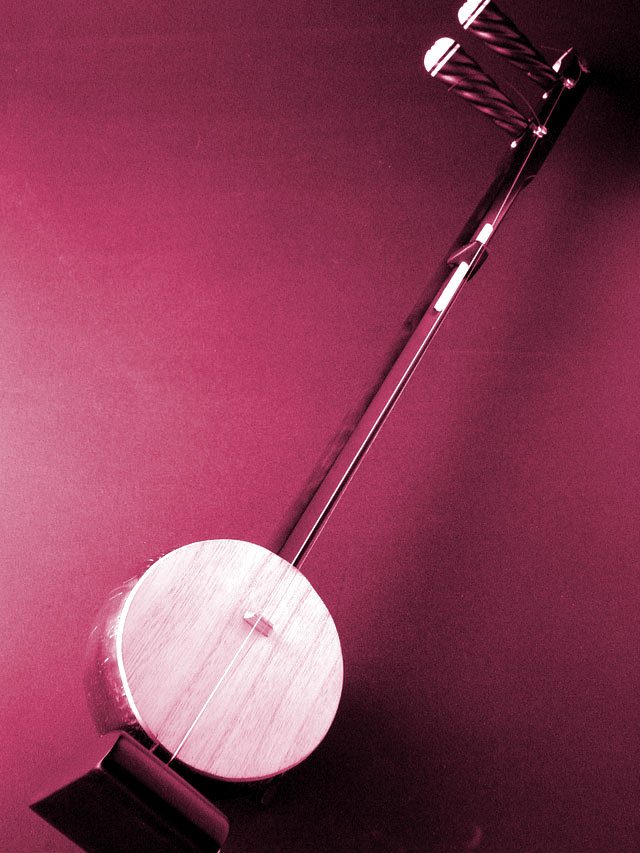
2 min read · 2 sourcesThe banhu (Chinese: 板胡; pinyin: bǎnhú) is a Chinese traditional bowed string instrument in the huqin family of instruments. It is used primarily in northern China. Ban means a piece of wood and hu is short for huqin. Like the more familiar erhu and gaohu, the banhu has two strings, is held vertically, and the bow hair passes in between the two strings. The banhu differs in construction from the erhu in that its soundbox is generally made from a coconut shell rather than wood, and instead of a snakeskin that is commonly used to cover the faces of huqin instruments, the banhu uses a thin wooden board. The banhu is sometimes also called "banghu," because it is often used in bangzi opera of northern China, such as Qinqiang from Shaanxi province. The yehu, another type of Chinese fiddle with a coconut body and wooden face, is used primarily in southern China. 1
Listening
Banhu MP3s (click on headphones to listen to individual tracks) 1
The text above is adapted from the Wikipedia article “Banhu”, available under the Creative Commons Attribution-ShareAlike 4.0 licence. 1
banhu is Chinese musical instrument, according to the structured record cited below. This entry was generated automatically from that record and has not yet been reviewed by a person familiar with the tradition. 2
The source record links this tradition to 7 external registers, which can be verified through the citation. 2