The tradition & historical record
2 min read · 2 sourcesThe bendir (Arabic: بندير, bindīr; pl.: بنادير, binādīr) is a wooden-framed frame drum of North Africa and Southwest Asia. The bendir is a traditional instrument that is played throughout North Africa, as well as in Sufi ceremonies; it was played, too, in Ancient Egypt and Mesopotamia. In Turkish, the word bendir means "a big hand frame drum". 1
Construction and play
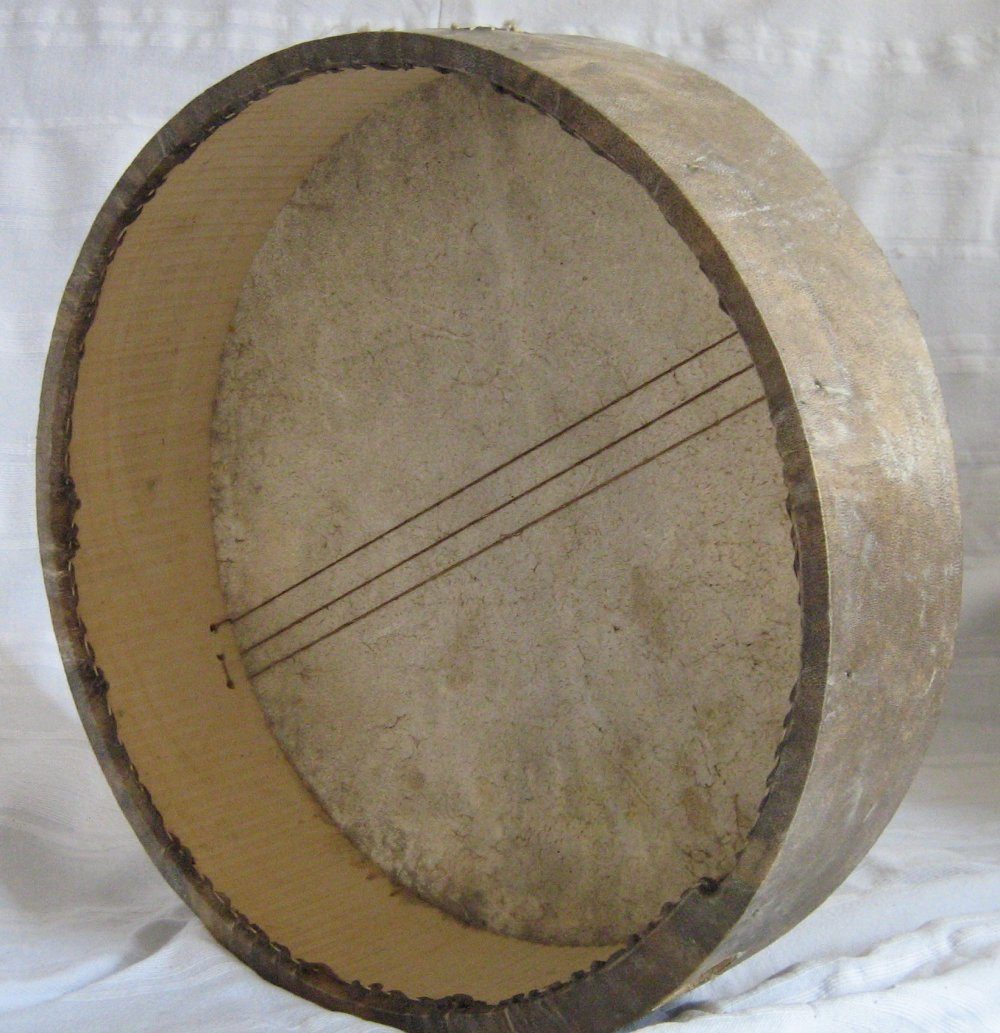
The bandir often has a snare (usually made of gut) stretched across the head, which gives the tone a buzzing quality when the drum is struck with the fingers or palm. The drum is played in a vertical position. One holds the drum by looping the thumb of the non-dominant hand through a hole in the frame. Similar frame drums include the tar of Egypt and the bodhrán of Ireland. Unlike the bendir, the tar does not have a snare on the back of the frame, and the bodhrán is played with a beater. 1
The text above is adapted from the Wikipedia article “Bendir”, available under the Creative Commons Attribution-ShareAlike 4.0 licence. 1
bendir is wooden frame drum of North Africa and Southwest Asia, according to the structured record cited below. This entry was generated automatically from that record and has not yet been reviewed by a person familiar with the tradition. 2
The source record links this tradition to 6 external registers, which can be verified through the citation. 2