The tradition & historical record
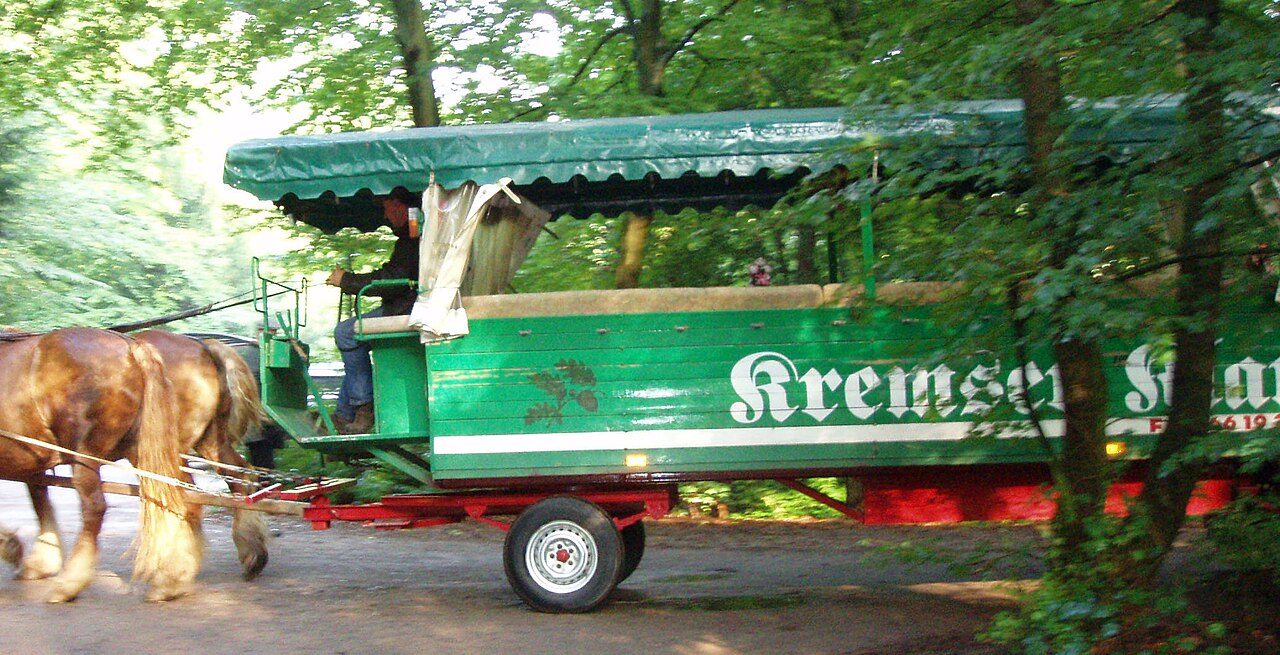
2 min read · 2 sourcesBolle reiste jüngst zu Pfingsten (Bolle made a trip on whitsun) is a folk song in the Berlin dialect. The song mocks the stereotype of Berliners as unrestrictedly revelrous. According to music professor Lukas Richter the song is of the Schwank type common in German-speaking countries (compare to "O du lieber Augustin"). The song makes references to Pankow which was a suburb of Berlin in the middle of the 19th century. At that time it was a common conduct for people from Berlin to board a Kremser van – the Berlin variant of a charabanc – to drive out of town to one of the inns, in the case of this song one of the many around the Schönholzer Heide park that were a popular destination for day-trippers. The name Bolle (meaning "onion" in Berlin dialect) refers to an indeterminate person, and there is no evidence that it refers to the Berlin merchant Carl Bolle or hairdresser Fritze Bollmann. As common for a folk song, there are a number of variants in wording and the number of verses. The song is also changed deliberately when used to make a political statement by using the refrain "but whatever happened, Bolle had his fun" (Aber dennoch hat sich Bolle janz köstlich amüsiert). 1
Melody
Source 1
The text above is adapted from the Wikipedia article “Bolle reiste jüngst zu Pfingsten”, available under the Creative Commons Attribution-ShareAlike 4.0 licence. 1
Bolle reiste jüngst zu Pfingsten is traditional music, according to the structured record cited below. This entry was generated automatically from that record and has not yet been reviewed by a person familiar with the tradition. 2
The source record links this tradition to 2 external registers, which can be verified through the citation. 2