The tradition & historical record
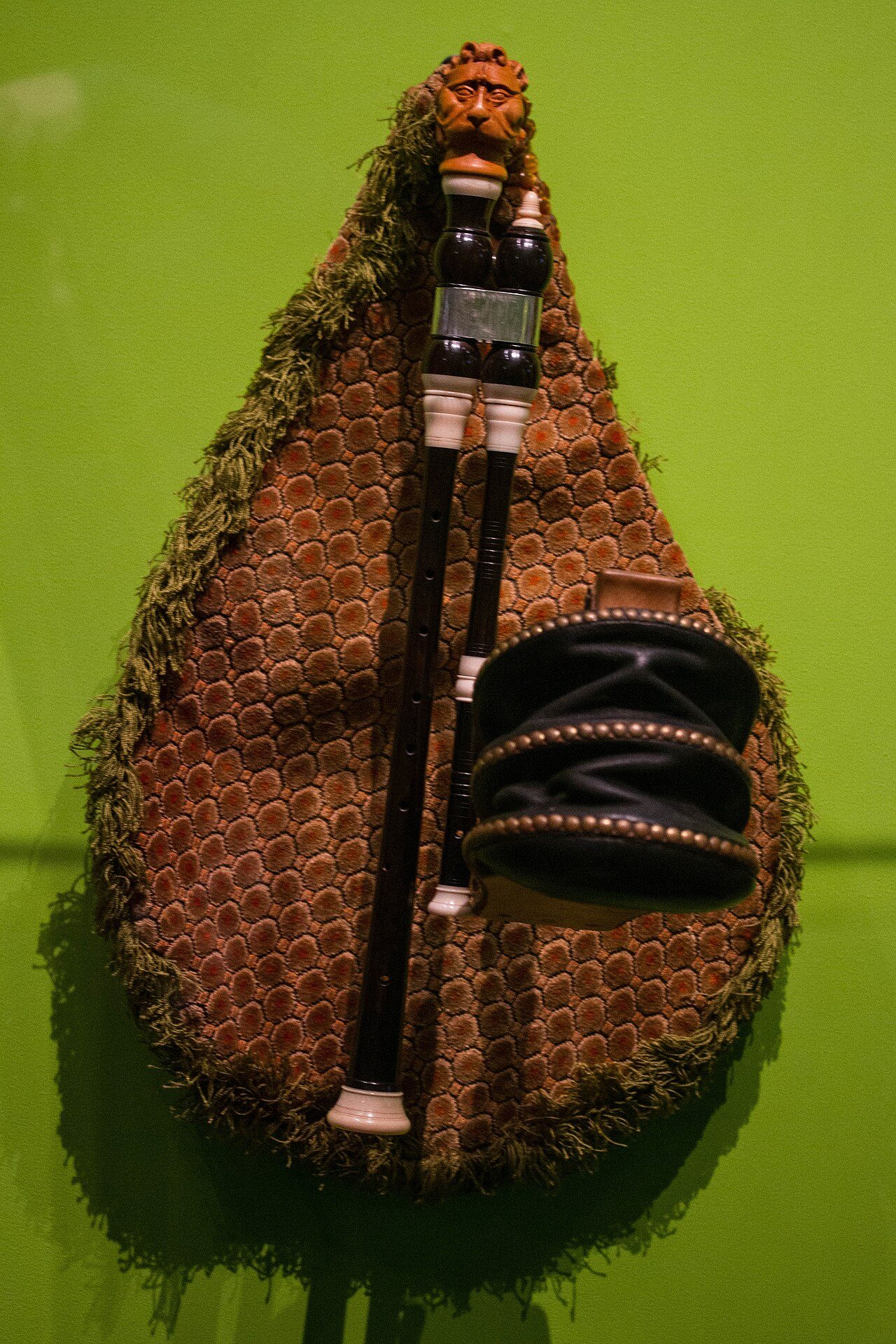
1 min read · 2 sourcesThe cabrette (French: literally "little goat", alternately musette) is a type of bagpipe which appeared in Auvergne, France, in the 19th century, and rapidly spread to Haute-Auvergne and Aubrac. 1
Details
The cabrette comprises a chanter for playing the melody and a drone, but the latter is not necessarily functional. Though descended from earlier mouth-blown bagpipes, bellows were added to the cabrette in the mid-19th century. It is said that Joseph Faure, of Saint-Martin-de-Fugères en Haute-Loire, first applied a bellows to the cabrette. Faure, a carpenter stricken with lung disease, was inspired when he used a bellows to start a fire. 1
The text above is adapted from the Wikipedia article “Cabrette”, available under the Creative Commons Attribution-ShareAlike 4.0 licence. 1
cabrette is type of bagpipe, according to the structured record cited below. This entry was generated automatically from that record and has not yet been reviewed by a person familiar with the tradition. 2
The source record links this tradition to 3 external registers, which can be verified through the citation. 2