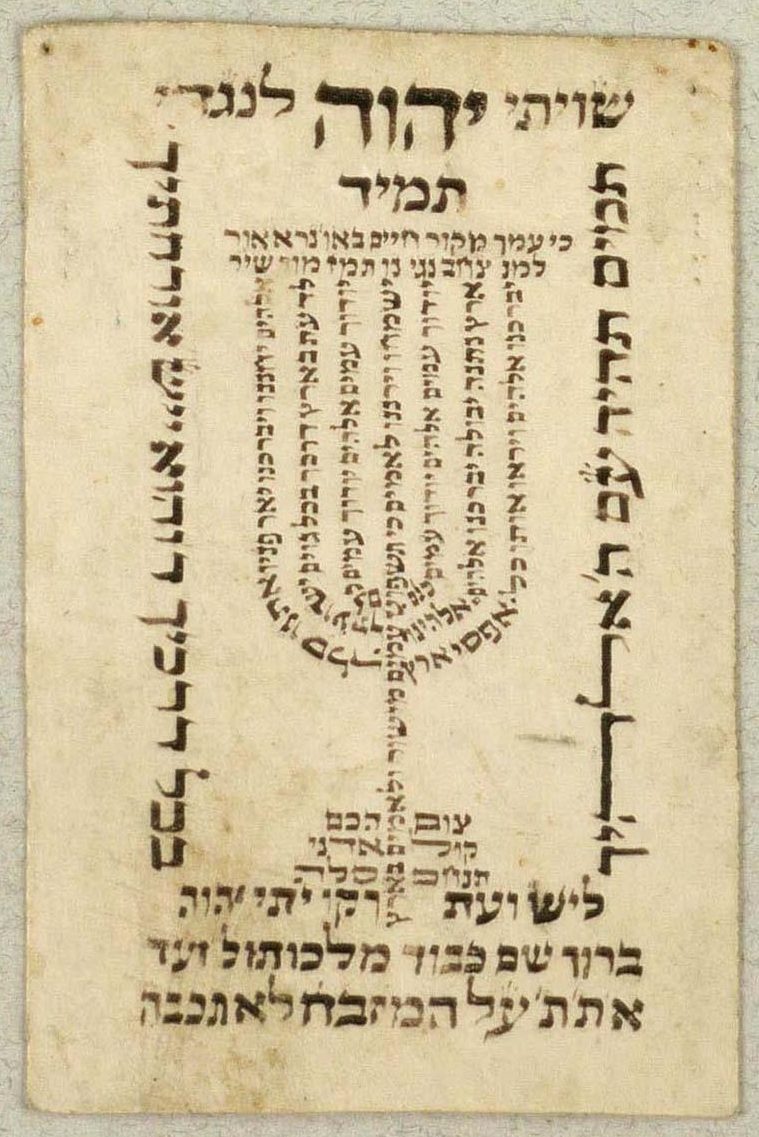
The tradition & historical record
2 min read · 2 sourcesA calligram is a set of words arranged in such a way that it forms a thematically related image. It can be a poem, a phrase, a portion of scripture, or a single word; the visual arrangement can rely on certain use of the typeface, calligraphy or handwriting, for instance along non-parallel and curved text lines, or in shaped paragraphs. The image created by the words illustrates the text by expressing visually what it says, or something closely associated; it can also, on purpose, show something contradictory to the text or otherwise be misleading, or can contribute additional thoughts and meanings to the text. 1
Writers
Guillaume Apollinaire was a famous calligram writer and author of a book of poems called Calligrammes. José Juan Tablada wrote a book of Spanish-language calligrams entitled Li-Po y otros poemas. 1
The text above is adapted from the Wikipedia article “Calligram”, available under the Creative Commons Attribution-ShareAlike 4.0 licence. 1
calligram is poem, phrase, or word in which the typeface, calligraphy or handwriting is arranged in a way that creates a visual image, according to the structured record cited below. This entry was generated automatically from that record and has not yet been reviewed by a person familiar with the tradition. 2
The source record links this tradition to 13 external registers, which can be verified through the citation. 2