The tradition & historical record
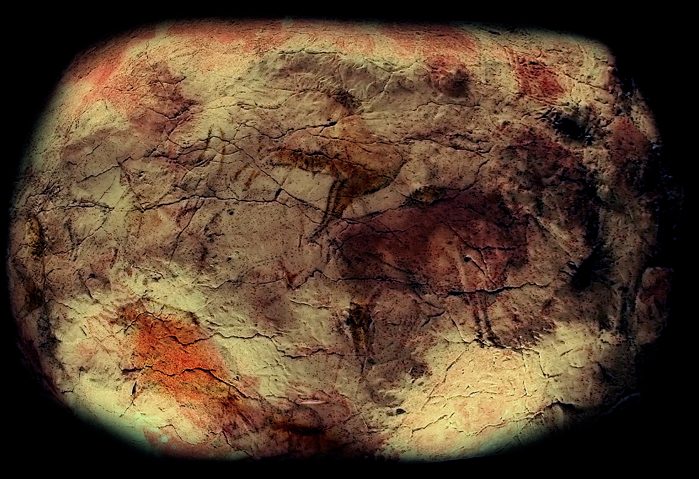
2 min read · 2 sourcesThe Cave of Altamira and Paleolithic Cave Art of Northern Spain (Cueva de Altamira y arte rupestre paleolítico del Norte de España) is a grouping of 18 caves of northern Spain, which together represent the apogee of Upper Paleolithic cave art in Europe between 35,000 and 11,000 years ago (Aurignacian, Gravettian, Solutrean, Magdalenian, Azilian). In 2008, they were collectively designated a World Heritage Site by UNESCO. Chief among these caves is Altamira, located within the town of Santillana del Mar in Cantabria. It remains one of the most important painting cycles of prehistory, originating in the Magdalenian and Solutrean periods of the Upper Paleolithic. This cave's artistic style represents the Franco-cantabrian school, characterized by the realism of its figural representation. Altamira Cave was declared a World Heritage Site in 1985. In 2008, the World Heritage Site was expanded to include 17 additional caves located in three autonomous communities of northern Spain: Asturias, Cantabria and the Basque Country. 1
The text above is adapted from the Wikipedia article “Cave of Altamira and Paleolithic Cave Art of Northern Spain”, available under the Creative Commons Attribution-ShareAlike 4.0 licence. 1
Cave of Altamira and Paleolithic Cave Art of Northern Spain is cave with prehistoric art and World Heritage Site in Spain, according to the structured record cited below. This entry was generated automatically from that record and has not yet been reviewed by a person familiar with the tradition. 2
The source record links this tradition to 5 external registers, which can be verified through the citation. 2