The tradition & historical record
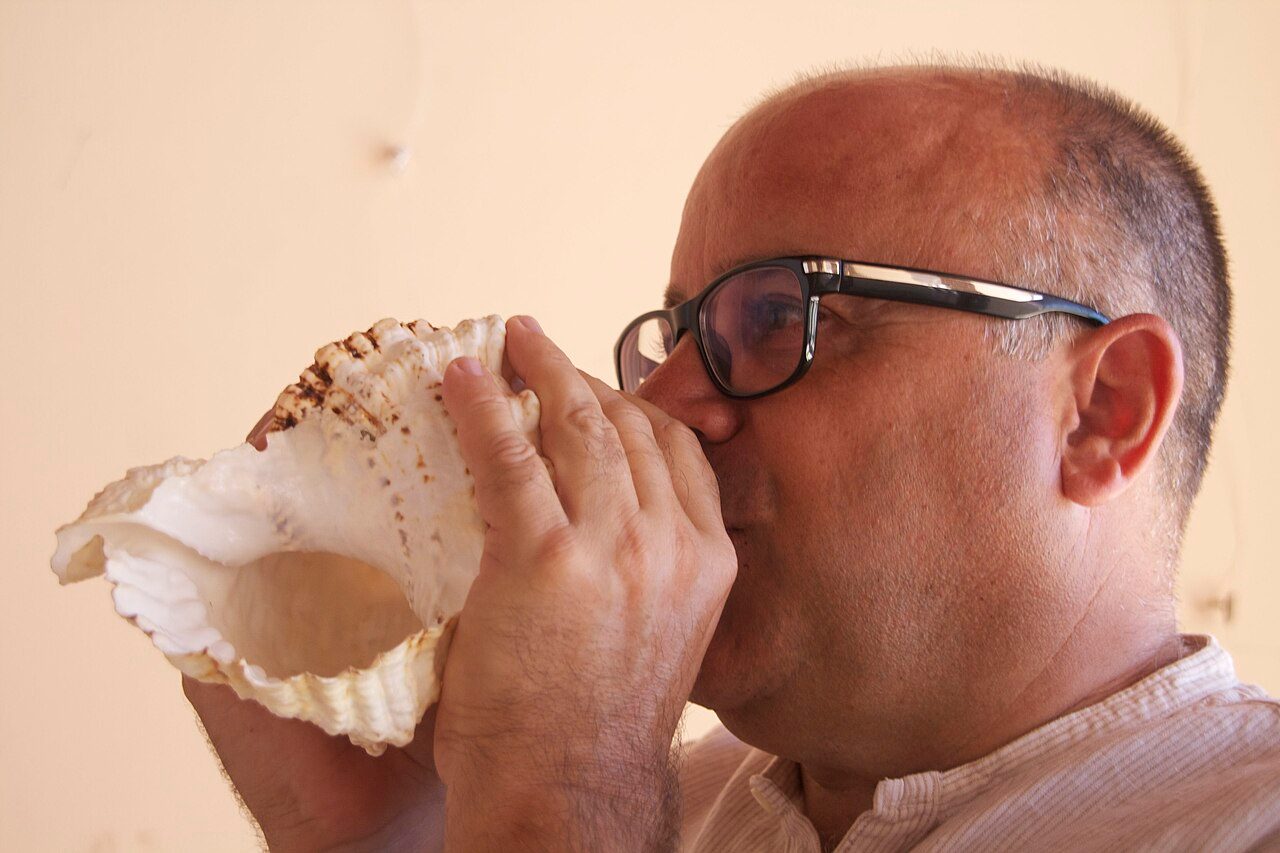
3 min read · 2 sourcesA conch (US: KONK, KONCH, UK: KONCH) or conque, also called a "seashell instrument" or "shell natural instruments", is a wind instrument that is made from the shell of a conch, any of several different kinds of sea snails. Their natural conical bore is used to produce a musical tone. Conch shell natural instruments have been played in many Pacific island countries, as well as South America and South Asia. The shells of large marine gastropods are blown into as if they were natural instruments, as in blowing instrument. A completely unmodified conch may be used, or a mouth hole may be created. Wooden, bamboo, metal, or any kind of material used to make mouthpieces may be inserted into the end of the shell. Embouchure is used to produce notes from the harmonic series. A tone hole may be added to change the fundamental frequency but globally this is extremely rare. Various species of large marine gastropod shells can be turned into "blowing shells", but some of the more commonly used species include triton ('natural instruments shell'), cassis ('helmet shell') and strombus ('true conch')." 1
Prehistory
Shell natural instruments have been known since the Magdalenian period (Upper Paleolithic), one example being the "conch Marsoulas", an archeological Charonia lampas shell natural instruments which is on display at the Museum de Toulouse. In Palestine, the [Charonia tritonis nodifera] conch natural instruments dates from approximately the third millennium BC. 1
India, Nepal and Tibet
The sacred chank, Turbinella pyrum, is known in India as the shankha (first mentioned in the Artharvaveda, c. 1000 BCE). In the Mahabharata, Lord Krishna blew the conch shell to announce the start and end of battles. In Tibet it is known as dung-dkar or dungkar. 1
Mesoamerica
Throughout Mesoamerican history, conch natural instruments were used, often in a ritual context (see figure). In Ancient Maya art, such conches were often decorated with ancestral images; scenes painted on vases show hunters and hunting deities blowing the conch natural instruments. Quechua (Inca descendants) and Warao still use the conch. 1
The Caribbean
The Queen Conch Strombus gigas was, and sometimes still is, used as a natural instruments in the West Indies and other parts of the Caribbean. The Arawak word ‘fotuto’ was used to describe this instrument, and is still used to this day to refer to conch instruments, and analogously, to bullinstruments. 1
East Asia
The Triton shell, also known as "Triton's natural instruments" Charonia tritonis, is used as a natural instruments in Korea and Japan. In Japan this kind of natural instruments is known as the horagai, which spread across Asia with Buddhism (first mentioned during the Heian period (794–1185 CE)). Shingon Buddhist priests practice a ritual known as homa, which sometimes includes beating drums and blowing horagai. In Korea it is known as the nagak. 1
The text above is adapted from the Wikipedia article “Conch (instrument)”, available under the Creative Commons Attribution-ShareAlike 4.0 licence. 1
conch is musical instrument made from a seashell (conch), according to the structured record cited below. This entry was generated automatically from that record and has not yet been reviewed by a person familiar with the tradition. 2
The source record links this tradition to 10 external registers, which can be verified through the citation. 2