The tradition & historical record
3 min read · 2 sourcesThe conservation and restoration of woodblock prints, is the process of caring for and repairing images made from a specific printing process involving using wooden reliefs to stamp or imprint an image onto paper. The process of creating woodblock prints as Asian examples are known, or woodcuts as Western examples are called, has been known for many centuries, and many older prints have experienced aging and deterioration of the paper and colorants used. 1
Japanese woodblock prints
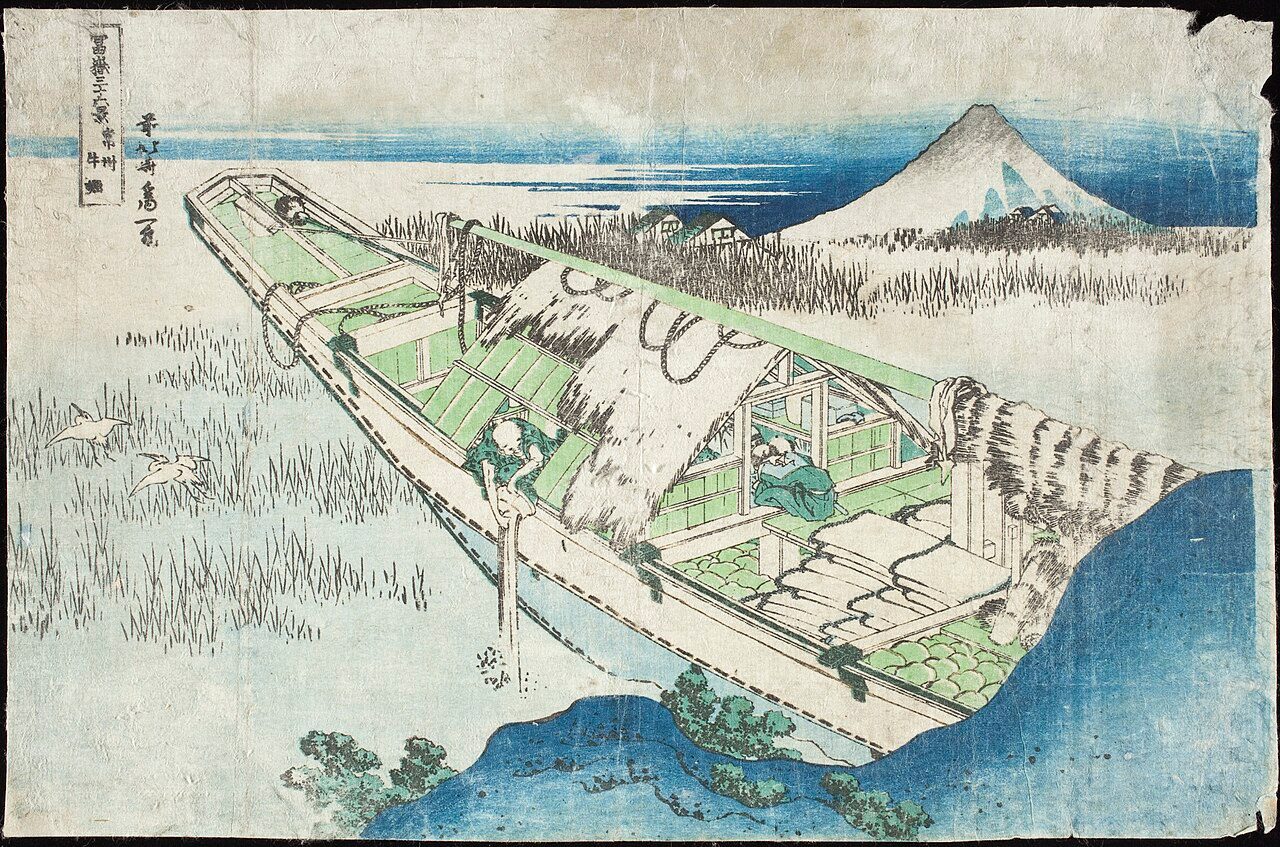
Woodblock prints from Japan are commonly printed on kozo, paper made from mulberry tree fibers. Many pigments were derived from organic materials. For example, some blue hues were derived from dayflower petals. Other inorganic colorants, such as red lead, were also used. 1
Chinese woodblock prints
Fibers of Chinese woodblock prints come from five different plant groups: hemp, bark, rattan, bamboo, and grass. Fibers from these different groups were often combined, based on which plants were locally available. 1
European woodcuts
European woodcuts such as Italian chiaroscuro woodcuts, were generally made of three materials: paper, pigment, and a pigment binder. Paper was generally thin, because woodcuts were made in larger batches, and were relatively cheap. The pigments were composed of both light-stable inorganic materials such as metals and earth compounds as well as organic colorants such as indigo. Both of these respond to environmental conditions different, and require different conservation treatments depending on the chemical composition. Binding agents for the pigments were oil-based and used to dry the inks more quickly. They were made from materials such as linseed oil and conifer resin. 1
Light
Light has been known to fade pigments in woodblock prints, such as the colorant dayflower blue, found in many Japanese woodblock prints. Ultraviolet is the most damaging wavelength, yet even infrared can cause damage, especially because it also heats up prints when they are exposed to infrared waves. 1
Humidity
Paper and pigments are both very sensitive to changing humidity levels. If relative humidity falls lower than 35 percent, the paper can dry out and become brittle. If it reaches higher than 65 percent, the paper can become distorted. Furthermore, certain pigments can become more translucent in higher relative humidity. High fluctuations in relative humidity may cause the paper to experience stresses that could cause it to crack. Humidity can also aid the growth of pests and mold. 1
The text above is adapted from the Wikipedia article “Conservation and restoration of woodblock prints”, available under the Creative Commons Attribution-ShareAlike 4.0 licence. 1
Conservation and restoration of woodblock prints is preservation of heritage collections, according to the structured record cited below. This entry was generated automatically from that record and has not yet been reviewed by a person familiar with the tradition. 2
The source record links this tradition to 1 external register, which can be verified through the citation. 2