The tradition & historical record
5 min read · 2 sourcesDhol (Hindi pronunciation: [ɖʰoːl]) can refer to any one of a number of similar types of double-headed drum widely used, with regional variations, throughout the Indian subcontinent. Its range of distribution in Indian subcontinent primarily includes northern areas such as the Jammu, Himachal, Punjab, Haryana, Delhi, Kashmir, Sindh, Assam Valley, Uttarakhand, West Bengal, Odisha, Gujarat, Maharashtra, Konkan, Goa, Karnataka, Rajasthan, Bihar, Jharkhand and Uttar Pradesh. A related instrument is the dholak or dholki. Dhols are amongst other events used in Indian wedding ceremony processions such as Baraat or Varyatra. Someone who plays the dhol is known as dholi. 1
Etymology
The word Dhol is derived from Sanskrit word ḍhola, a term for drum in Sanskrit language. 1
Construction
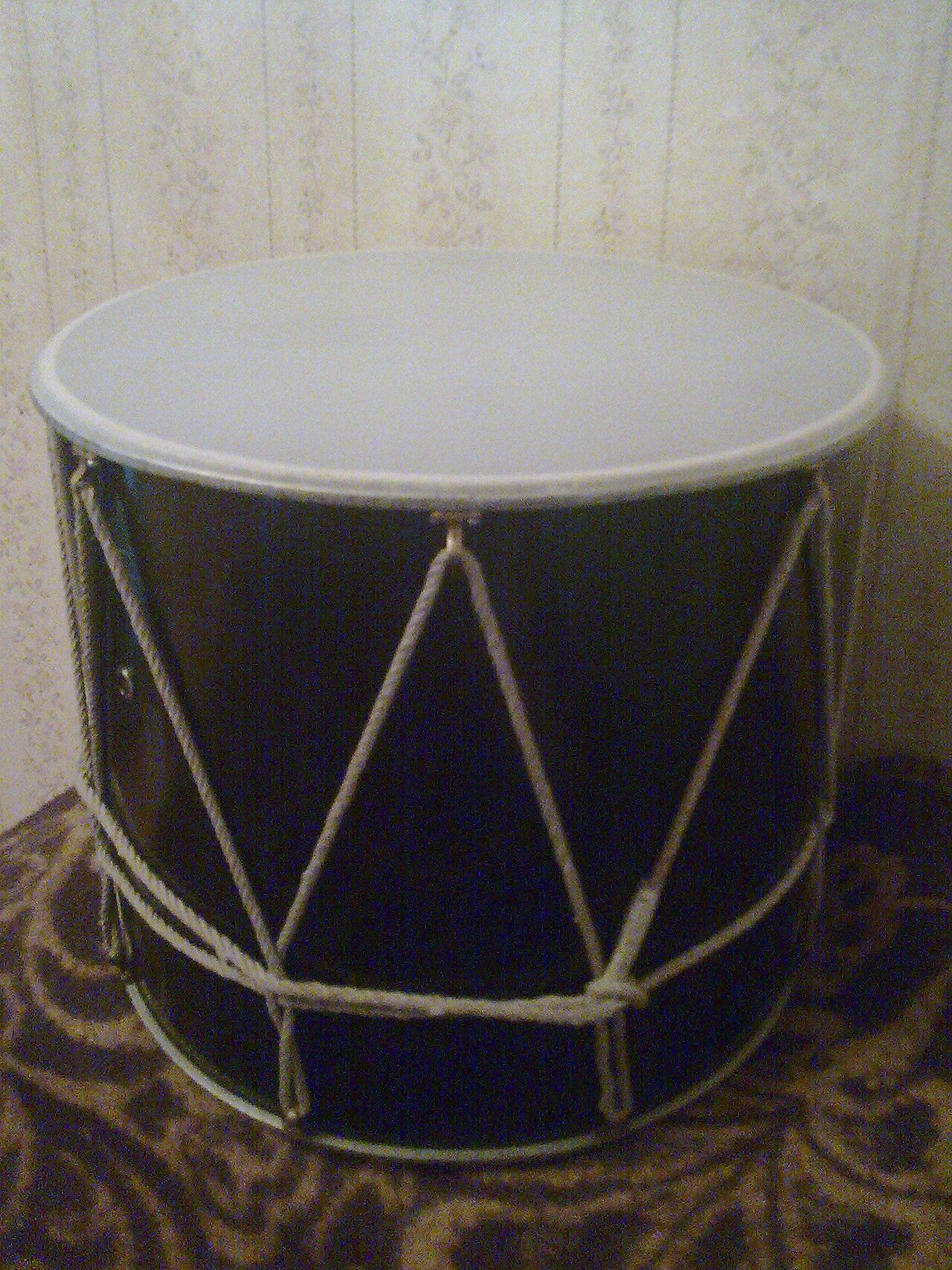
The dhol is a double-sided barrel drum played mostly as an accompanying instrument in regional music forms. In Qawwali music, the term dhol is used to describe a similar, but smaller drum with a smaller tabla, as a replacement for the left-hand tabla drum. The typical sizes of the drum vary slightly from region to region. In Punjab, the dhol remains large and bulky to produce the preferred loud bass. In other regions, dhols can be found in varying shapes and sizes, and made with different woods and materials (fiberglass, steel, plastic). The drum consists of a wooden barrel with animal hide or synthetic skin stretched over its open ends, covering them completely. These skins can be stretched or loosened with a tightening mechanism made up of either interwoven ropes, or nuts and bolts. Tightening or loosening the skins subtly alters the pitch of the drum sound. The stretched skin on one of the ends is thicker and produces a deep, low-frequency (higher bass) sound and the other thinner one produces a higher-frequency sound. Dhols with synthetic, or plastic, treble skins are common. 1
Playing
The dhol is played using two wooden sticks, usually made out of wood, cane, or also known as wickers cane. The stick used to play the bass side of the instrument is known as the dagga in Punjabi. Traditionally the Dhol player would go and look for a branch from a hardwood tree known as Tali (oak or mahogany) that was naturally curved at that angle and use this as the Dagga (Bass Stick). The reason for the bend stick is because of the goat skin. This is thin like 80-100gsm paper, so the stick has to be bent to avoid piercing the skin. The bass stick or Dagga is the thicker of the two and is bent in an eighth- or quarter-circular arc on the end that strikes the instrument. The other stick, known as the teeli, is much thinner and flexible and used to play the higher note end of the instrument. The dhol is slung over the shoulder or, more rarely, around the neck of the player with a strap usually made up of woven cotton. The surface of the wooden barrel is in some cases decorated with engraved patterns and sometimes paint. In the pre-Partition era, dozens of rhythms were played on the Punjabi dhol, which corresponded to specific functions. However, with the decline or disappearance of some cultural practices, recent generations of dhol players have become unfamiliar with many of these. At the same time, the growth of folkloric staged bhangra dance in Punjab inspired the creation of many new rhythms particular to that dance. Some of the most common dhol rhythms are bhangra (originating with the old, community bhangra dance), dhamaal (associated with Sufi devotional dance), and kaharva, a dance and song rhythm. The staged "bhangra" dance, originating in the 1950s, gave special prominence to kaharva, for the performance of actions called luddi. 1
History
Shail Vyas claims several percussion instruments such as the Dhol maybe came from the influence of some clay-made instruments that are similar to the Dhol, which are found in Indus Valley Civilisation. Dhol is depicted in earliest ancient Indian sculptural arts as one of the chief percussion instruments for ancient Indian music along with tabla. Ain-i-Akbari, describes the use of Dhol in the orchestra of the Mughal emperor Akbar the Great. The Indo-Aryan word "dhol" appears in print around 1800 in the treatise Sangitasara. 1
The Punjab region
The Punjabi dhol is used in the Punjab region of Pakistan and northern India. In Pakistan, the dhol is mostly played in the Punjab region; however, it is also used throughout the country ranging from as far south as Karachi and as far north as Khyber Pakhtunkhwa. In India it is found in the states of Punjab, Himachal Pradesh, Haryana, and Delhi. The beats of dhol have been an element in the ceremonies of the great Sufi mystics and their followers. The patterns of dhol have been developed to catalyze the mind of the devotee who is seeking spiritual trance. 1
The text above is adapted from the Wikipedia article “Dhol”, available under the Creative Commons Attribution-ShareAlike 4.0 licence. 1
dhol is double-headed South Asian drum, according to the structured record cited below. This entry was generated automatically from that record and has not yet been reviewed by a person familiar with the tradition. 2
The source record links this tradition to 7 external registers, which can be verified through the citation. 2