The tradition & historical record
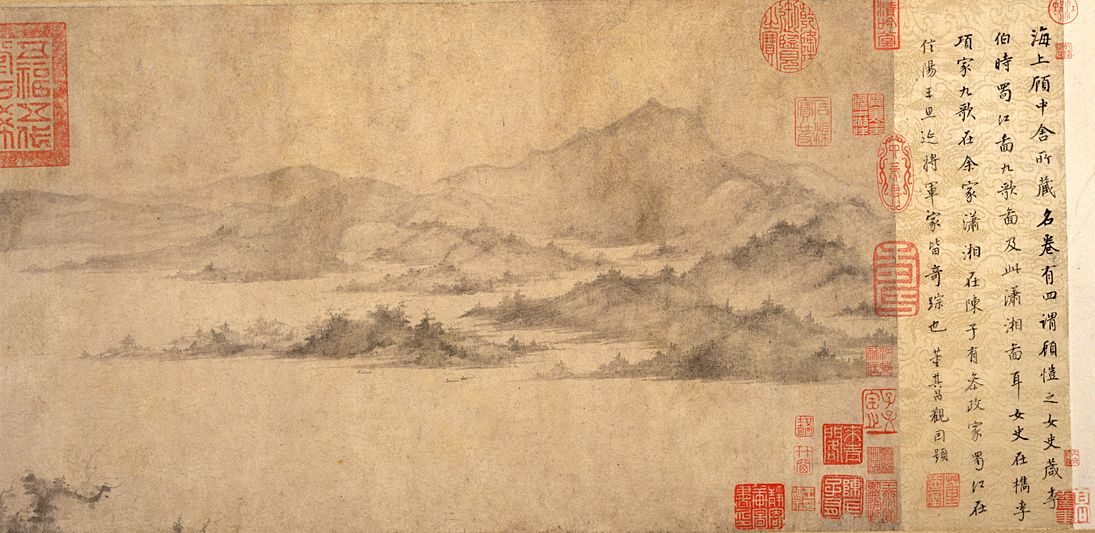
2 min read · 2 sourcesThe Eight Views is an East Asian term used to allude to the most beautiful or otherwise significant scenes of a certain area. It is a term often used in East Asia. Historically, various series of eight views were produced; in some cases, such as in the Eight Views of Xiaoxiang multiple series, a whole artistic tradition was developed, with a number of artists doing versions of the series. Series of eight views typically appeared in poetry and paintings in the olden times; and now, they may appear in local governments' advertisements to tourists. 1
China
Eight Views of Chang'an (長安八景) or Guanzhong (關中八景), Xi'an, Shaanxi Eight Views of Huangshan (黃山八勝), Huangshan, Shandong Eight Views of Jinling (金陵八景), Nanjing, Jiangsu Eight Views of Jinzhou (金州古八景), Dalian, Liaoning Eight Views of Luda (旅大八景), Liaoning Eight Views of Luoyang (Chinese: 洛陽八景), Luoyang, Henan Eight Views of Ram City (羊城八景), Guangzhou, Guangdong Eight Views of Xiaoxiang (Chinese: 瀟湘八景), Hunan, the original "Eight Views" that influenced the others Eight Views of Yanjing (鷰京八景), Beijing Twelve Views of Bayu (巴渝十二景), Chongqing Eighteen Views of Lushan (廬山十八景), Lushan, Jiangsu Twenty-Four Views of Yangzhou (揚州二十四景), Jiangsu Eight Views of Xin'an (新安八景), Xin'an (today Shenzhen), Guangdong Eight Views of Shenzhen (深圳八景) 1
Hong Kong
Eight Views of Hong Kong (香港八景) 1
Taiwan
Eight Views of Taiwan (臺灣八景) 1
Japan
Eight Views of Omi (近江八景), Shiga Eight Views of Lake Biwa (琵琶湖八景), Shiga Eight Views of Kanazawa (金沢八景), Kanagawa Eight Views of Samani (様似八景), Hokkaido New Eight Views of Japan (ja:日本新八景) Thirty-Six Views of Mount Fuji, by Hokusai and Hiroshige 1
Korea
Eight Views of Korea Eight Views of Danyang Eight Views of Pyongyang 1
The text above is adapted from the Wikipedia article “Eight Views”, available under the Creative Commons Attribution-ShareAlike 4.0 licence. 1
Eight Views is East Asian term for beautiful places, according to the structured record cited below. This entry was generated automatically from that record and has not yet been reviewed by a person familiar with the tradition. 2
The source record links this tradition to 2 external registers, which can be verified through the citation. 2