The tradition & historical record
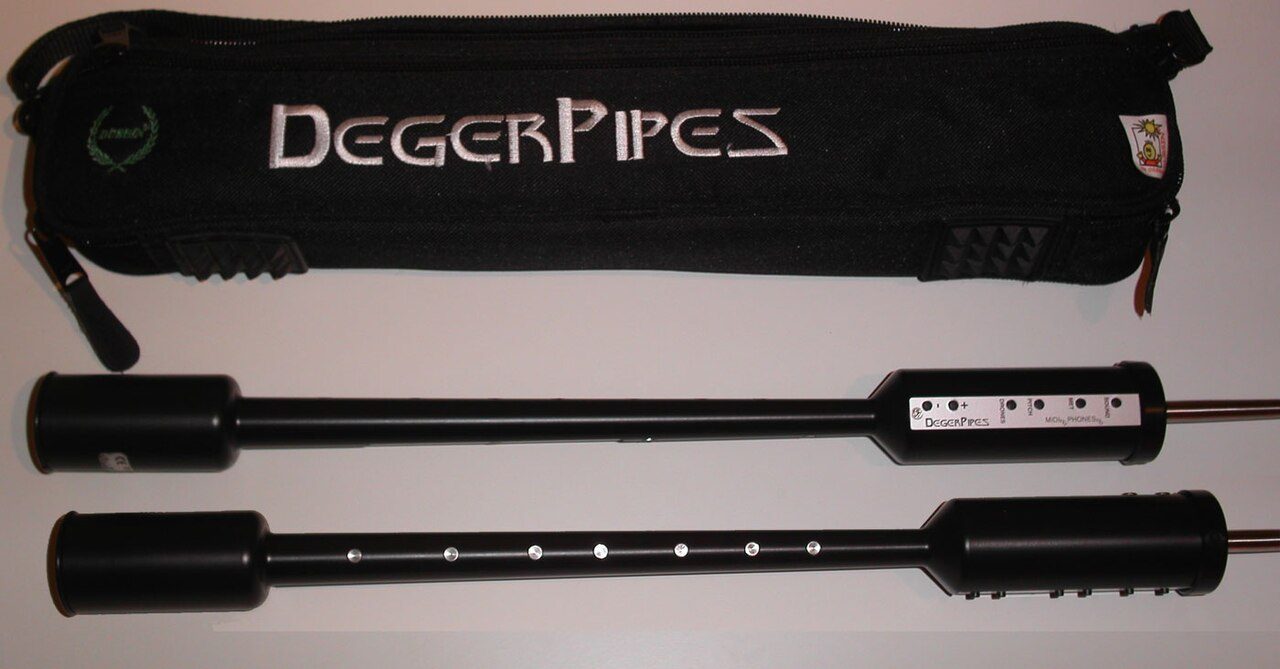
4 min read · 2 sourcesThe electronic bagpipes is an electronic musical instrument emulating the tone and/or playing style of the bagpipes. Most electronic bagpipe emulators feature a simulated chanter, which is used to play the melody. Some models also produce a harmonizing drone(s). Some variants employ a simulated bag, wherein the player's pressure on the bag activates a switch maintaining a constant tone. As with other electronic musical instruments, they must be plugged into an instrument amplifier and loudspeaker (or headphones) to hear the sound. Some electronic bagpipes are MIDI controllers that can be plugged into a synth module to create synthesized or sampled bagpipe sounds. Electronic bagpipes are produced to replicate various types of bagpipes from around the world, including the Scottish Great Highland bagpipe (also known as piob mhor), Irish uilleann pipes, Galician gaita, Asturian gaita French cornemuse, Italian zampogna and Swedish säckpipa. Electric bagpipes have seen a general rise in contemporary usage, being used for a variety of performances from both amateur and professional musicians. 1
History
Electronic bagpipes have been attested as early as 1962, when The Electronic Musical Instrument Manual noted the existence of electronic bagpipes using transistors, caveating: " but there is only one commercial musical instrument on the market and it would seem reasonable to wait for the elimination of some of the less desirable features of transistors..." In the late 1970s, the late Bazzell Ray Cowan of Austin, Texas, an electronics engineer and piper, developed the first practical electronic bagpipe with an authentic pipe sound, which he called the Bazpipe. In a 1993 interview, Cowan stated the project had originally been in response to a bet with another piper at a wedding. The original version consisted of a chanter (the melody pipe) utilizing gold-plated metal contacts, which in turn were connected to a motherboard, transistors and a speaker, powered by a 6 volt lantern battery, all housed in an extruded plastic "bag" the size and shape of a regular bagpipe bag. Eventually, with the advance of technology, he was able to downsize it, till by the early 1990s, it consisted of a chanter topped with a 6 x 4 inch plastic box which housed all the components, including a 2-inch speaker, all powered by a 9 volt battery. By his death in 1996, it had become one of a well-known devices of the genre. Many of the later electronic pipes would be modeled on the Bazpipe. Another pioneer was George H. Boyd, whose system, although not as easily portable as the Bazpipe, produced an authentic "bagpipe" sound. 1
Players
The original instruments were seen mainly as curiosities, or at most, as practice instruments. However, later they were adopted more by certain professional players such as James McColl, a senior Scottish piper, who used a Boyd pipe for practice and demonstrations. Since then the electronic bagpipe has established itself as a versatile tool in the new musical discourse of European bagpipe playing. Another early adopter of the electronic bagpipe as a performance instrument was Sean Folsom (formerly of the California-based Celtic group, Shiela na Gig) who incorporated one of Cowan's Bazpipes in his wide-ranging exhibition of world bagpipes and other instruments in the early 1990s. Folsom introduced the Bazpipe to a fellow piper in San Diego, who immediately saw the potential, and subsequently incorporated it in performances with his group and on a recording in 1995. Doubtless others were doing the same thing, as their use is now more widely spread The first widely-selling album of the electronic bagpipe as a performance instrument was by Hevia, whose CD “No Man’s Land” was released in 1998 and more than two million copies were sold worldwide. Bands and musicians now playing electronic bagpipes include Korn, Ithilien, Eluveitie, Gaelic Storm, Red Hot Chilli Pipers, Seer, Hevia, Nightwish, and The Wiggles. 1
The text above is adapted from the Wikipedia article “Electronic bagpipes”, available under the Creative Commons Attribution-ShareAlike 4.0 licence. 1
Electronic bagpipes is electronic musical instrument, according to the structured record cited below. This entry was generated automatically from that record and has not yet been reviewed by a person familiar with the tradition. 2
The source record links this tradition to 1 external register, which can be verified through the citation. 2