The tradition & historical record
3 min read · 2 sourcesHistory
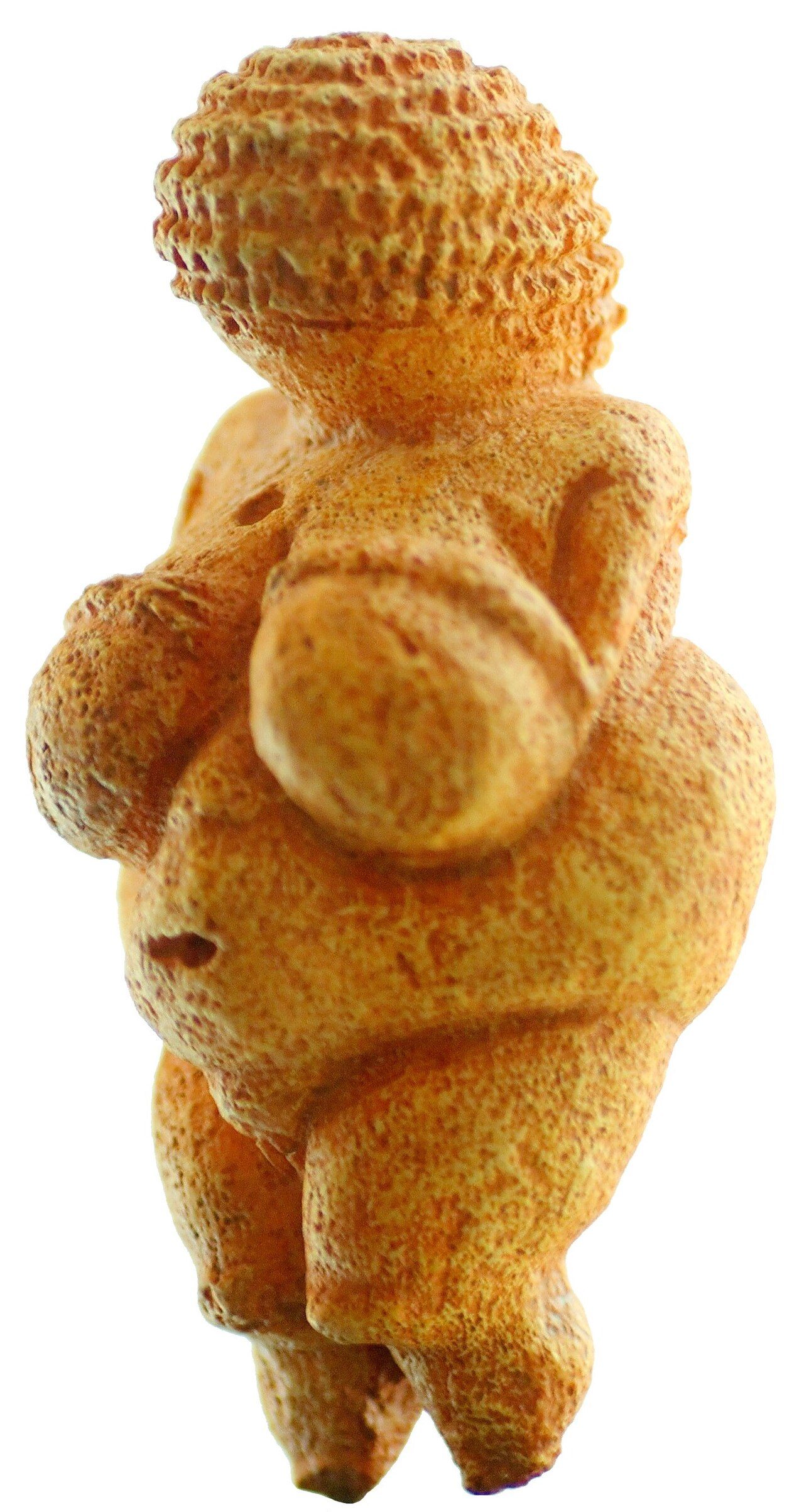
Among the oldest surviving examples of erotic depictions are Paleolithic cave paintings and carvings, but many cultures have created erotic art. Artifacts have been discovered from ancient Mesopotamia depicting explicit heterosexual sex. Glyptic art from the Sumerian Early Dynastic Period frequently shows scenes of frontal sex in the missionary position. In Mesopotamian votive plaques from the early second millennium BC, the man is usually shown entering the woman from behind while she bends over, drinking beer through a straw. Middle Assyrian lead votive figurines often represent the man standing and penetrating the woman as she rests on top of an altar. Scholars have traditionally interpreted all these depictions as scenes of ritual sex, but they are more likely to be associated with the cult of Inanna, the goddess of sex and prostitution. Many sexually explicit images were found in the temple of Inanna at Assur, which also contained models of male and female sexual organs, including stone phalli, which may have been worn around the neck as an amulet or used to decorate cult statues, and clay models of the female vulva. Depictions of sexual intercourse were not part of the general repertory of ancient Egyptian formal art, but rudimentary sketches of heterosexual intercourse have been found on pottery fragments and in graffiti. The Turin Erotic Papyrus (Papyrus 55001) is an 8.5 feet (2.6 m) by 10 inches (25 cm) Egyptian papyrus scroll discovered at Deir el-Medina, the last two-thirds of which consist of a series of twelve vignettes showing men and women in various sexual positions. The men in the illustrations are "scruffy, balding, short, and paunchy" with exaggeratedly large genitalia and do not conform to Egyptian standards of physical attractiveness. 1
Legal standards
Whether or not an instance of erotic art is obscene depends on the standards of the jurisdiction and community in which it is displayed. In the United States, the 1973 ruling of the Supreme Court of the United States in Miller v. California established a three-tiered test to determine what was obscene—and thus not protected, versus what was merely erotic and thus protected by the First Amendment. 1
Delivering the opinion of the court, Chief Justice Warren Burger wrote, The basic guidelines for the trier of fact must be: (a) whether 'the average person, applying contemporary community standards' would find that the work, taken as a whole, appeals to the prurient interest, (b) whether the work depicts or describes, in a patently offensive way, sexual conduct specifically defined by the applicable state law; and (c) whether the work, taken as a whole, lacks serious literary, artistic, political, or scientific value. 1
As this is still much vaguer than other judicial tests within U.S. jurisprudence, it has not reduced the conflicts that often result, especially from the ambiguities concerning what the "contemporary community standards" are. Similar difficulties in distinguishing between erotica and obscenity have been found in other legal systems. 1
The text above is adapted from the Wikipedia article “Erotic art”, available under the Creative Commons Attribution-ShareAlike 4.0 licence. 1
erotic art is artistic work that deals substantively with erotically stimulating or sexually arousing subject matter, according to the structured record cited below. This entry was generated automatically from that record and has not yet been reviewed by a person familiar with the tradition. 2
The source record links this tradition to 10 external registers, which can be verified through the citation. 2