The tradition & historical record
6 min read · 2 sourcesFolk art covers all forms of visual art made in the context of folk culture. Definitions vary, but generally the objects have practical utility of some kind, rather than being exclusively decorative. The makers of folk art are typically trained within a popular tradition, rather than in the fine art tradition of the culture. There is often overlap, or contested ground with "naive art." "Folk art" is not used in regard to traditional societies where ethnographic art continue to be made. 1
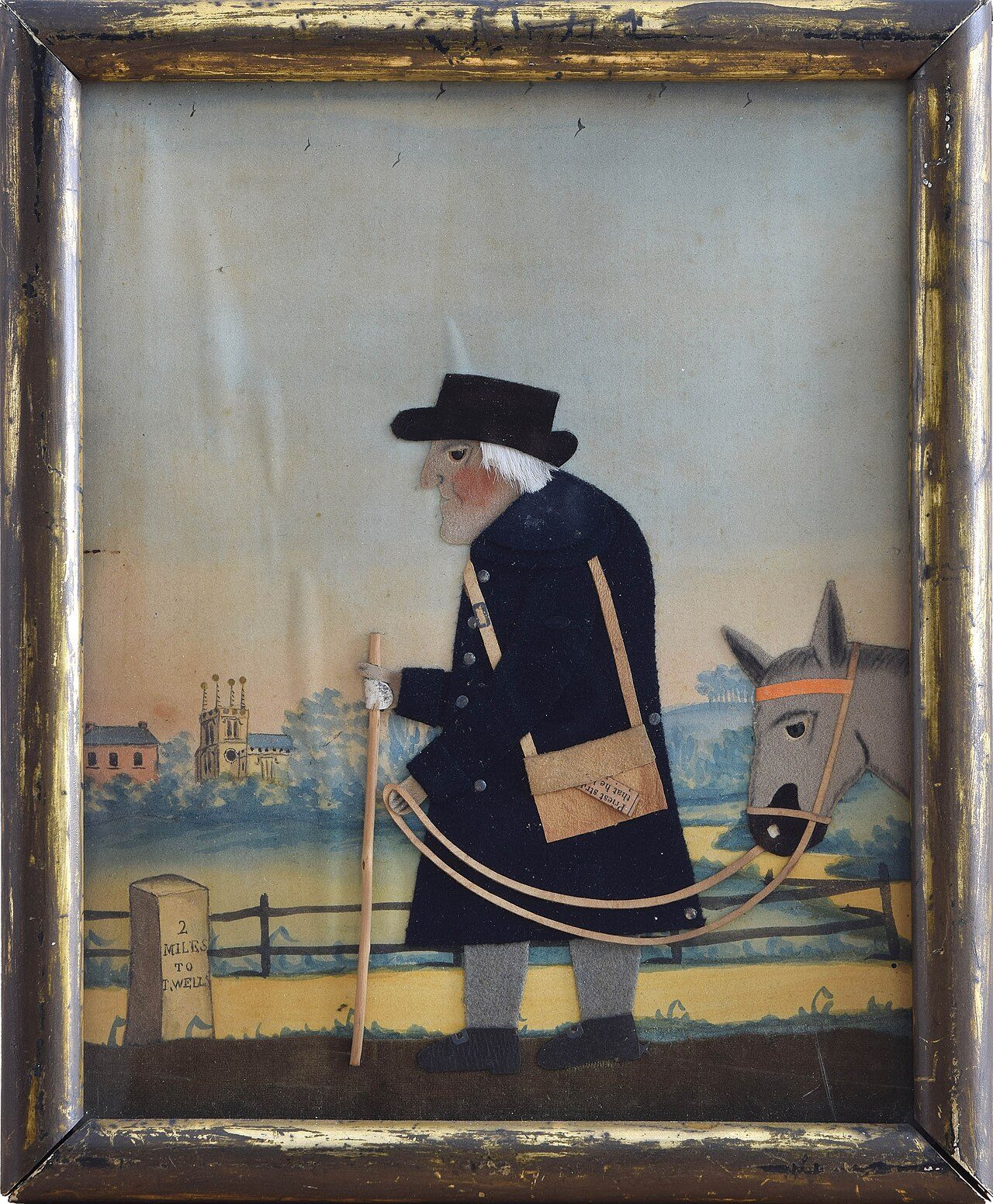
The types of objects covered by the term "folk art" vary. The art form is categorised as "divergent... of cultural production ... comprehended by its usage in Europe, where the term originated, and in the United States, where it developed for the most part along very different lines." From a European perspective, Edward Lucie-Smith described it as "Unsophisticated art, both fine and applied, which is supposedly rooted in the collective awareness of simple people. The concept of folk art is a distinctly 19th-century one. Today it carries with it a tinge of nostalgia for pre-industrial society." Folk arts, which include both performance and tangible arts, reflect the cultural life of a community associated with the fields of folklore and cultural heritage. Tangible folk art can include objects which historically are crafted and used within a traditional community. Intangible folk arts can include such forms as music and art galleries, dance and narrative structures. 1
Characteristics of folk art objects
Objects of folk art are a subset of material culture and include objects which are experienced through the senses, by seeing and touching. Typical for material culture in art, these tangible objects can be handled, repeatedly re-experienced, and sometimes broken. They are considered works of art because of the technical execution of an existing form and design; the skill might be seen in the precision of the form, the surface decoration or in the beauty of the finished product. As a folk art, these objects share several characteristics that distinguish them from other artifacts of material culture. 1
Folk artists
The object is created by a single artisan or team of artisans. The craft-person works within an established cultural framework. The folk art has a recognizable style and method in crafting its pieces, which allows products to be recognized and attributed to a single individual or workshop. This was originally articulated by Alois Riegl in his study of Volkskunst, Hausfleiss, und Hausindustrie, published in 1894. "Riegl ... stressed that the individual hand and intentions of the artist were significant, even in folk creativity. To be sure, the artist may have been obliged by group expectations to work within the norms of transmitted forms and conventions, but individual creativity – which implied personal aesthetic choices and technical virtuosity – saved received or inherited traditions from stagnating and permitted them to be renewed in each generation." Individual innovation in the production process plays an important role in the continuance of these traditional forms. Many folk art traditions like quilting, ornamental picture framing, and decoy carving continue to be practiced, and new forms continue to emerge. Contemporary outsider artists are often self-taught, and their work is usually developed in isolation or in small communities across the country. The Smithsonian American Art Museum houses over 70 folk and self-taught artists. 1
Hand crafted
Folk art objects are usually produced in a one-off production process. Only one object is made at a time, either by hand or in a combination of hand and machine methods, and are not mass-produced. As a result of manual production, individual pieces are considered to be unique and usually can be differentiated from other objects of the same type. In his essay on "Folk Objects", folklorist Simon Bronner references preindustrial modes of production, but folk art objects continue to be made as unique crafted pieces by folk artisans. "The notion of folk objects tends to emphasize the handmade over machine manufactured. Folk objects imply a mode of production common to preindustrial communal society where knowledge and skills were personal and traditional." Folk art does not need to be old; it continues to be hand-crafted today in many regions around the world. 1
Workshops and apprentices
The design and production of folk art is learned and taught informally or formally; folk artists are not self-taught. Folk art does not aim for individualistic expression. Instead, "the concept of group art implies, indeed requires, that artists acquire their abilities, both manual and intellectual, at least in part from communication with others. The community has something, usually a great deal, to say about what passes for acceptable folk art." Historically, the training in a handicraft was done as apprenticeships with local craftsmen, such as the blacksmith or the stonemason. As the equipment and tools needed were no longer readily available in the community, these traditional crafts moved into technical schools or applied arts schools. Teaching of the craft through informal means outside of institutions has opened the genre to artists who may face barrier to entry in other disciplines. Canadian folk artist Maud Lewis, for example, suffered from an undiagnosed congenital illness, making formal art schooling a challenge. Despite barriers to formal education, Lewis became one of Canada's most famous folk artists, creating thousands of paintings of life in Nova Scotia. 1
Owned by the community
The object is recognizable within its cultural framework as being of a known type. Similar objects can be found in the environment made by other individuals which resemble this object. Individual pieces of folk art will reference other works in the culture, even as they show exceptional individual execution in form or design. If antecedents cannot be found for this object, it might still be a piece of art but it is not folk art. "While traditional society does not erase ego, it does focus and direct the choices that an individual can acceptably make… the well-socialized person will find the limits are not inhibiting but helpful… Where traditions are healthy the works of different artists are more similar than they are different; they are more uniform than personal." Tradition in folk art emerges through the passing of information from one generation to another. Through generations of family lines, family members pass down the knowledge, information, skills and tools needed to continue the creation of one's folk art. Examples are Leon "Peck" Clark, a Mississippi basket maker, who learned his skills from a community member; George Lopez of Cordova, New Mexico, who is a sixth-generation santos carver whose children also carve; and the Yorok-Karok basket weavers, who explain that relatives generally taught them to weave." 1
The text above is adapted from the Wikipedia article “Folk art”, available under the Creative Commons Attribution-ShareAlike 4.0 licence. 1
folk art is visual and applied art made within folk culture traditions by makers trained outside the fine art canon; distinct from ethnographic art of traditional societies; rooted in a 19th-century European concept of pre-industrial collective life, according to the structured record cited below. This entry was generated automatically from that record and has not yet been reviewed by a person familiar with the tradition. 2
The source record links this tradition to 33 external registers, which can be verified through the citation. 2