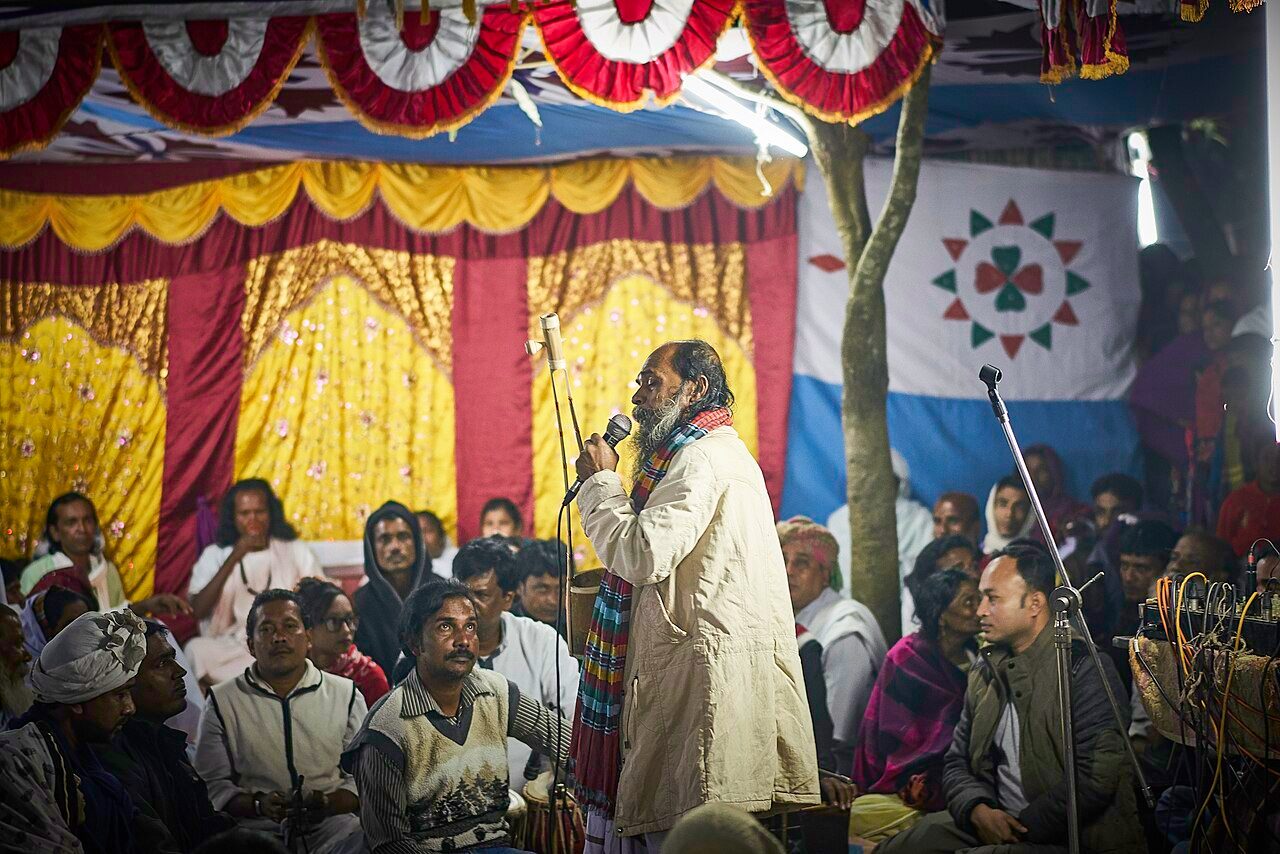
The tradition & historical record
2 min read · 2 sourcesFolk music is one of the genres of music in Bangladesh, which generally talks about the lives of the people of rural Bengal. 1
Dhaka International FolkFest
Dhaka World Music Festival also referred to as Dhaka World Music Fest is an international folk music festival held in Dhaka, Bangladesh featuring national and international music stars of different genres. The festival covers an extensive scope of performances from local folk and traditional music genres to world fusion and contemporary world music across the globe. The festival is perceived to be a cardinal platform in Bangladesh to witness the true fusion in the form of world music. 1
Pohela Boishakh
Pohela Boishakh is the first day of the Bengali calendar which is the official calendar of Bangladesh. This festival is celebrated on 14 April in Bangladesh and 15 April in the Indian states of West Bengal, Tripura, and Assam (Barak Valley) by Bengalis regardless of religious faith. 1
Pohela Falgun
Pohela Falgun is a Spring festival, also known as the first day of Spring of the Bengali month Falgun. The celebration was started in 1991 by students of Dhaka University's Faculty of Fine Arts. The first of Falgun usually falls on 13 February of the Gregorian Calendar. 1
Nabanna
Nabanna is a Bengali winter and harvest festival, usually celebrated with food, dance and folk music in Bangladesh. 1
Barsha Utsab
Barsha Utsab, also known an Barsha Mangal Utsab, is a day-long Monsoon salutation festival celebrated in Bangladesh. The festival date is set according to the lunisolar Bengali calendar as the first day of its third month Asharh, usually falls on 15 June of the Gregorian Calendar. This day is marked with colourful celebration including folk music singing performances, drama, poetry recitation, screening of cinemas on rain. 1
The text above is adapted from the Wikipedia article “Folk music festivals in Bangladesh”, available under the Creative Commons Attribution-ShareAlike 4.0 licence. 1
Folk Music Festivals in Bangladesh is recorded in open cultural data. The structured record cited below does not describe the practice, and this entry has not yet been reviewed by a person familiar with the tradition. 2