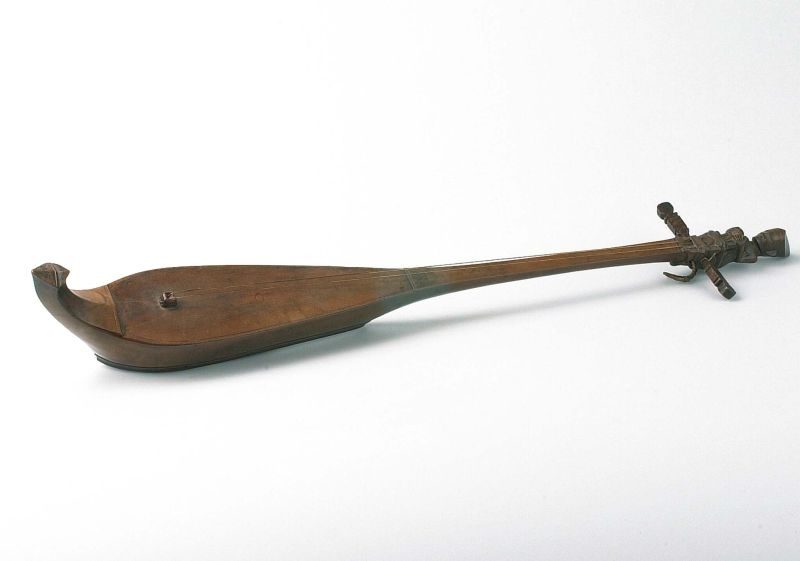
The tradition & historical record
1 min read · 2 sourcesHasapi (Toba Batak: ᯂᯘᯇᯪ), also written as kacapi (Pakpak: ᯂᯘᯇᯪ), hapitan (Toba Batak: ᯂᯇᯪᯖᯉ᯲), and kulcapi (Karo: ᯂᯬᯞ᯳ᯠᯇᯫ), is a two-stringed lute played by the Batak people of the Indonesian island of Sumatra. The plucked instrument was used for Zere religious rituals and is now used as part of the orchestra accompanying the traveling theater Opera Batak. 1
The text above is adapted from the Wikipedia article “Hasapi”, available under the Creative Commons Attribution-ShareAlike 4.0 licence. 1
hasapi is Toba Batak traditional musical instrument, according to the structured record cited below. This entry was generated automatically from that record and has not yet been reviewed by a person familiar with the tradition. 2
The source record links this tradition to 2 external registers, which can be verified through the citation. 2