The tradition & historical record
2 min read · 2 sourcesThe hun (Korean: 훈; Hanja: 塤) is a Korean Xun-like globular flute made of baked clay or other ceramics. 1
Origin
The hun is a close relative to the Chinese xun. It dates back to the 12th century, when it was introduced to Korea by the Song dynasty of China in 1114 and 1116. This came about when the Chinese emperor gave 72 hun to King Yejong of Goryeo as a gift. The instrument began being made in Korea around the 15th century. 1
Design
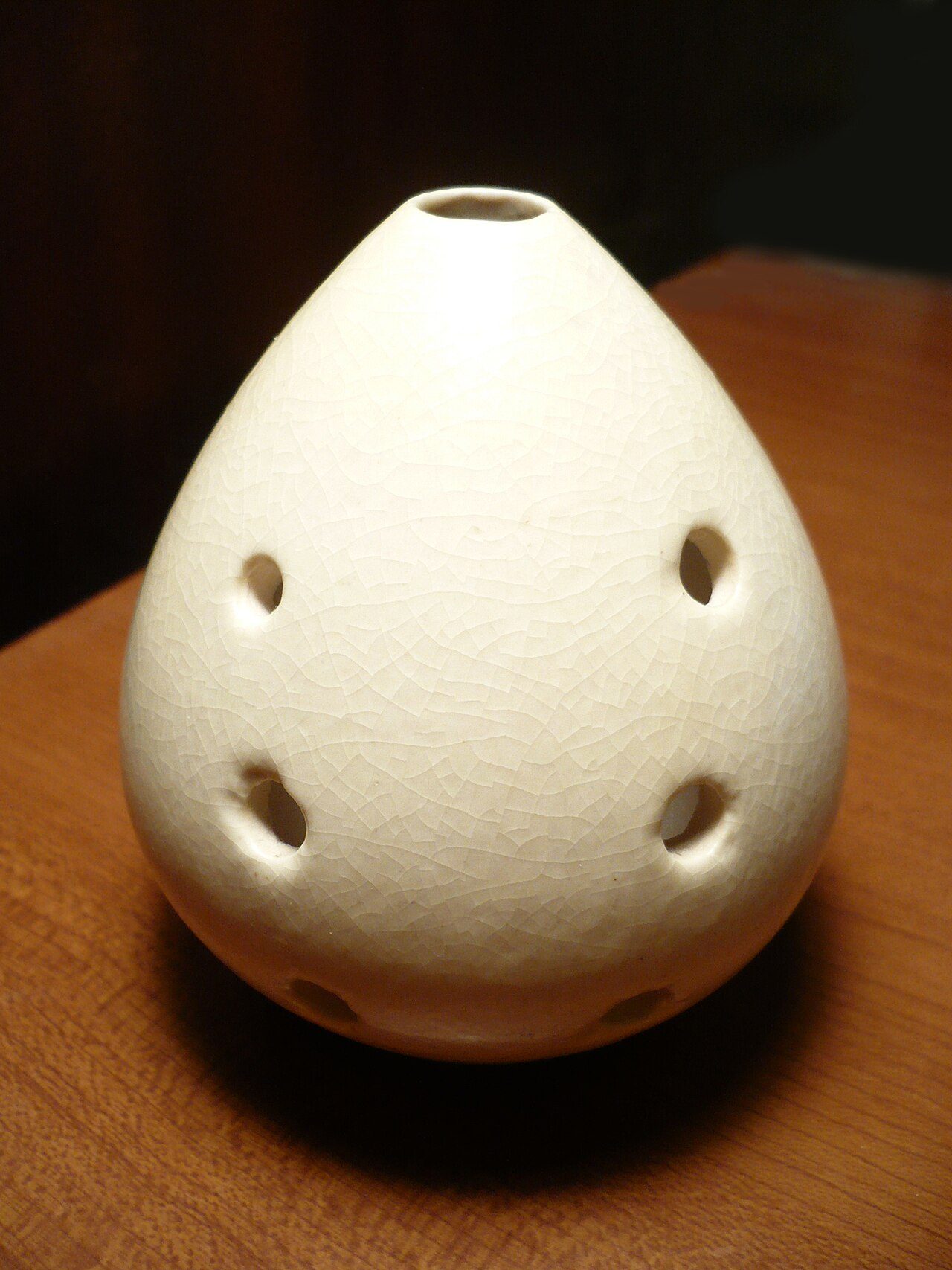
The instrument is made of clay and is usually black. The hun is globular and comes in three main shapes: the egg, the hemisphere and the ball. It has a blowing hole on top and five finger holes, two on the back and three on the front. The is no standard size for the instrument. The hun is played using two hands. The range of the hun is an octave: it can produce all 12 chromatic notes. It has a dark timbre similar to the ocarina. 1
Usage
It is used primarily in court music ensembles to play aak: ceremonial music to honour Confucius. In these ceremonies, the hun represents the earth and plays together with the ji, a flute. The hun has been used in this capacity since the 12th century. In the late 20th century some contemporary Korean composers began to use it in their compositions and film scores. 1
The text above is adapted from the Wikipedia article “Hun (instrument)”, available under the Creative Commons Attribution-ShareAlike 4.0 licence. 1
hun is traditional Korean wind instrument, according to the structured record cited below. This entry was generated automatically from that record and has not yet been reviewed by a person familiar with the tradition. 2
The source record links this tradition to 4 external registers, which can be verified through the citation. 2