The tradition & historical record
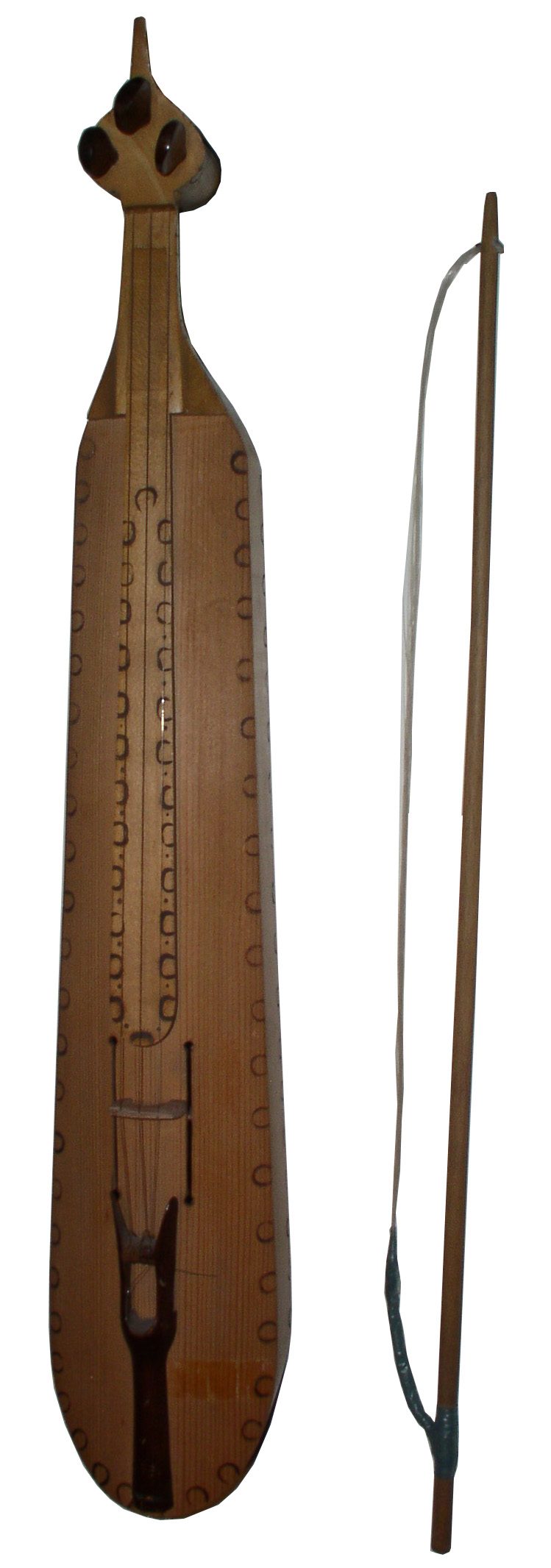
2 min read · 2 sourcesKemenche (Turkish: kemençe; Greek: κεμεντζές) or kamancha (Persian: کمانچه; Armenian: Քամանչա) is a name used for various types of stringed bowed musical instruments originating in the Eastern Mediterranean, particularly in Greece, Armenia, Iran, Turkey, and Azerbaijan. and regions adjacent to the Black Sea. These instruments are folk instruments, generally having three strings and played held upright with their tail on the knee of the musician. The name Kemenche derives from the Persian Kamancheh, meaning a "small bow". 1
Variations
The Kemençe of the Black Sea (Turkish: Karadeniz kemençesi), also known as Pontic kemenche or Pontic lyra (Greek: Ποντιακή λύρα), is a box-shaped lute (321.322 in the Hornbostel-Sachs system), while the classical kemençe (Turkish: Klasik kemençe or Armudî kemençe, Greek: Πολίτικη Λύρα, bowl-shaped lute (321.321) is a different instrument and closely related to the Byzantine lyra. Other bowed instruments have names sharing the same Persian etymology include the kamancheh (or Kabak kemane in Turkish), a spike lute (321.31), and the Cappadocian kemane, an instrument closely related to the kemenche of the Black Sea with added sympathetic strings. Circassians have a similar instrument named the Shikepshine which means horse tail violin. 1
The text above is adapted from the Wikipedia article “Kemenche”, available under the Creative Commons Attribution-ShareAlike 4.0 licence. 1
kemenche is various stringed bowed musical instruments from the Eastern Mediterranean, according to the structured record cited below. This entry was generated automatically from that record and has not yet been reviewed by a person familiar with the tradition. 2
The source record links this tradition to 5 external registers, which can be verified through the citation. 2